Aesculus California (Ca Buckeye) late winter bud
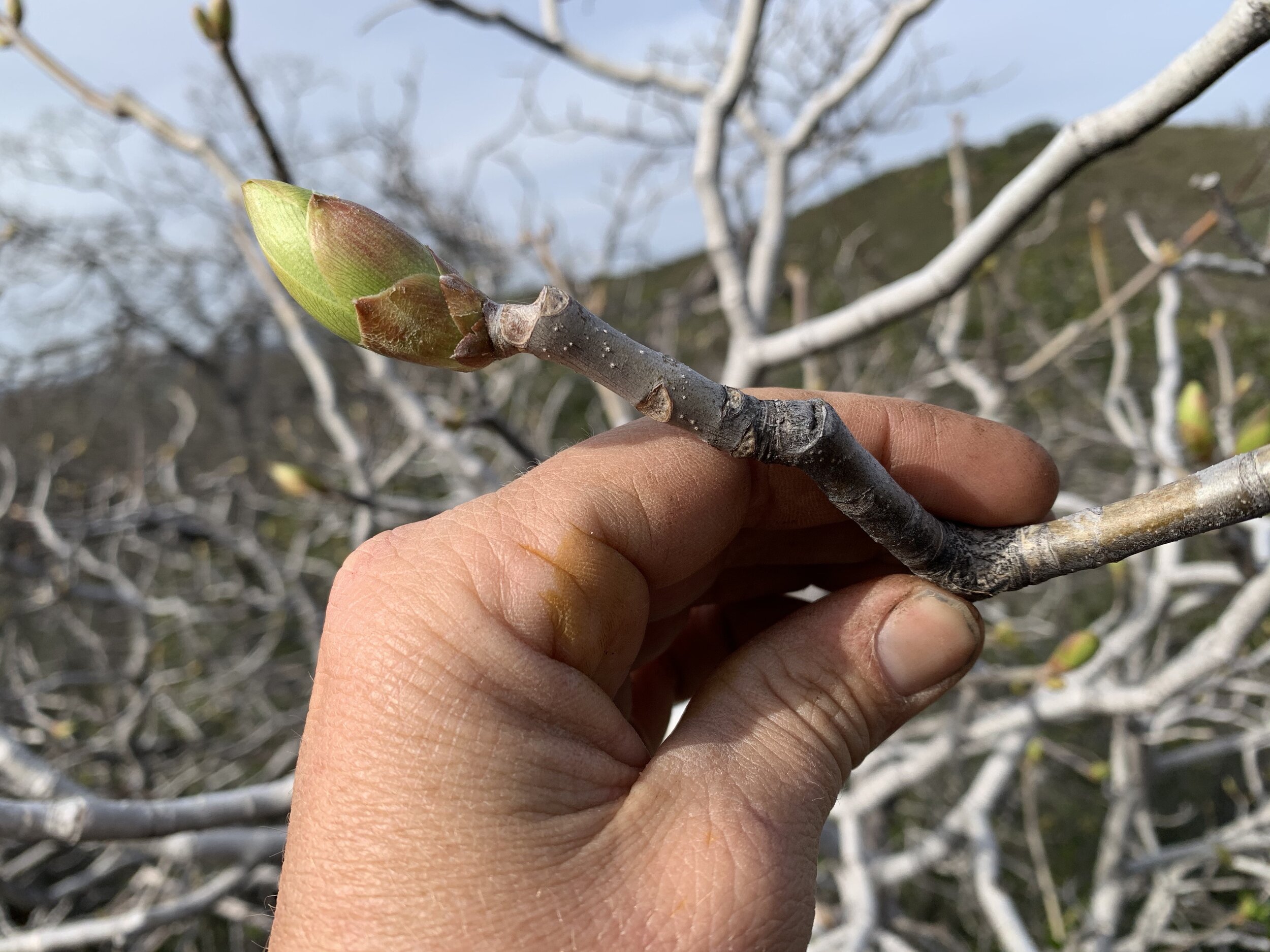
California Buckeye are one of the first deciduous trees to leaf out in late winter / early spring. This is a photo of a swollen bud, close to flushing out.
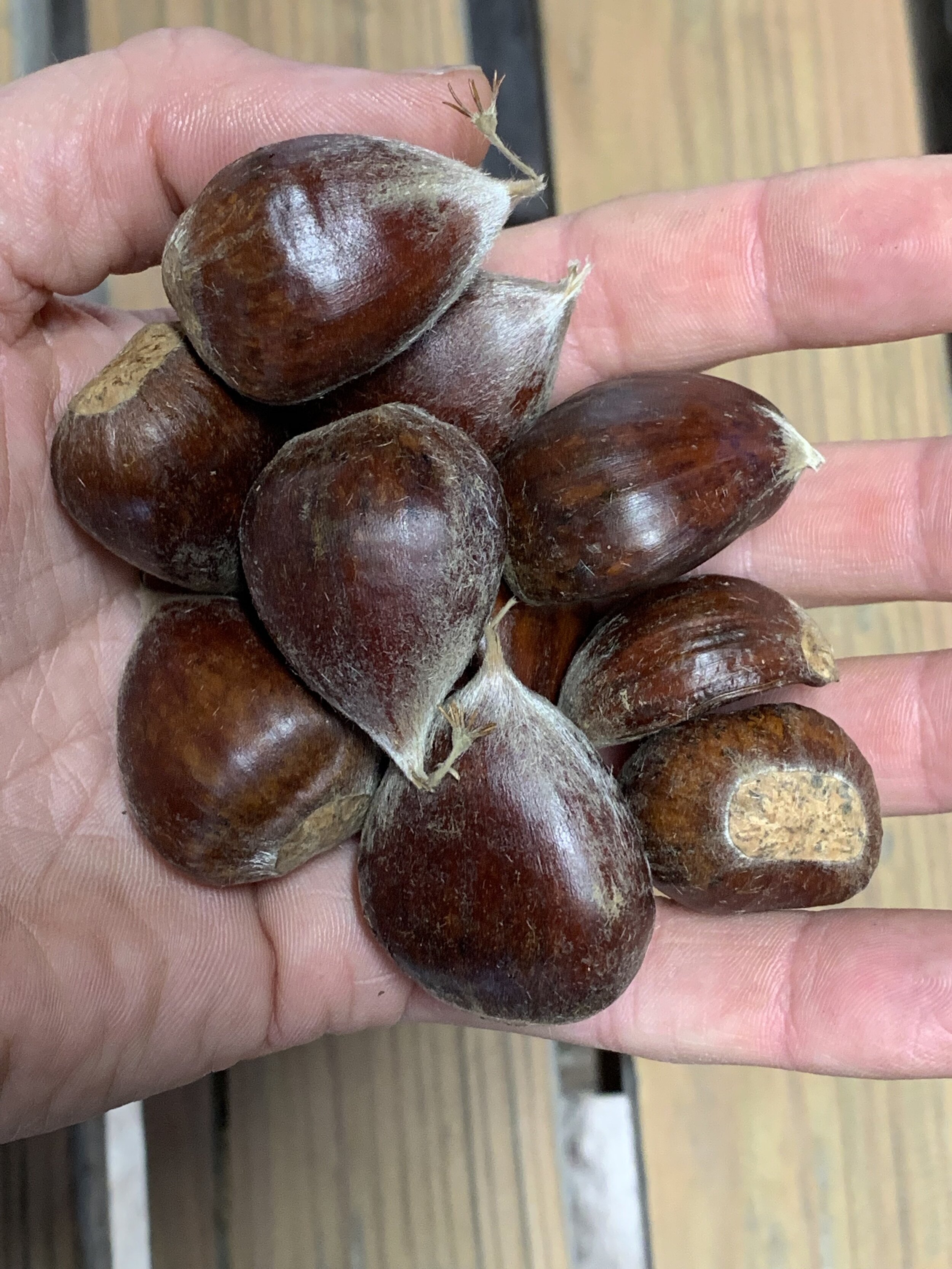
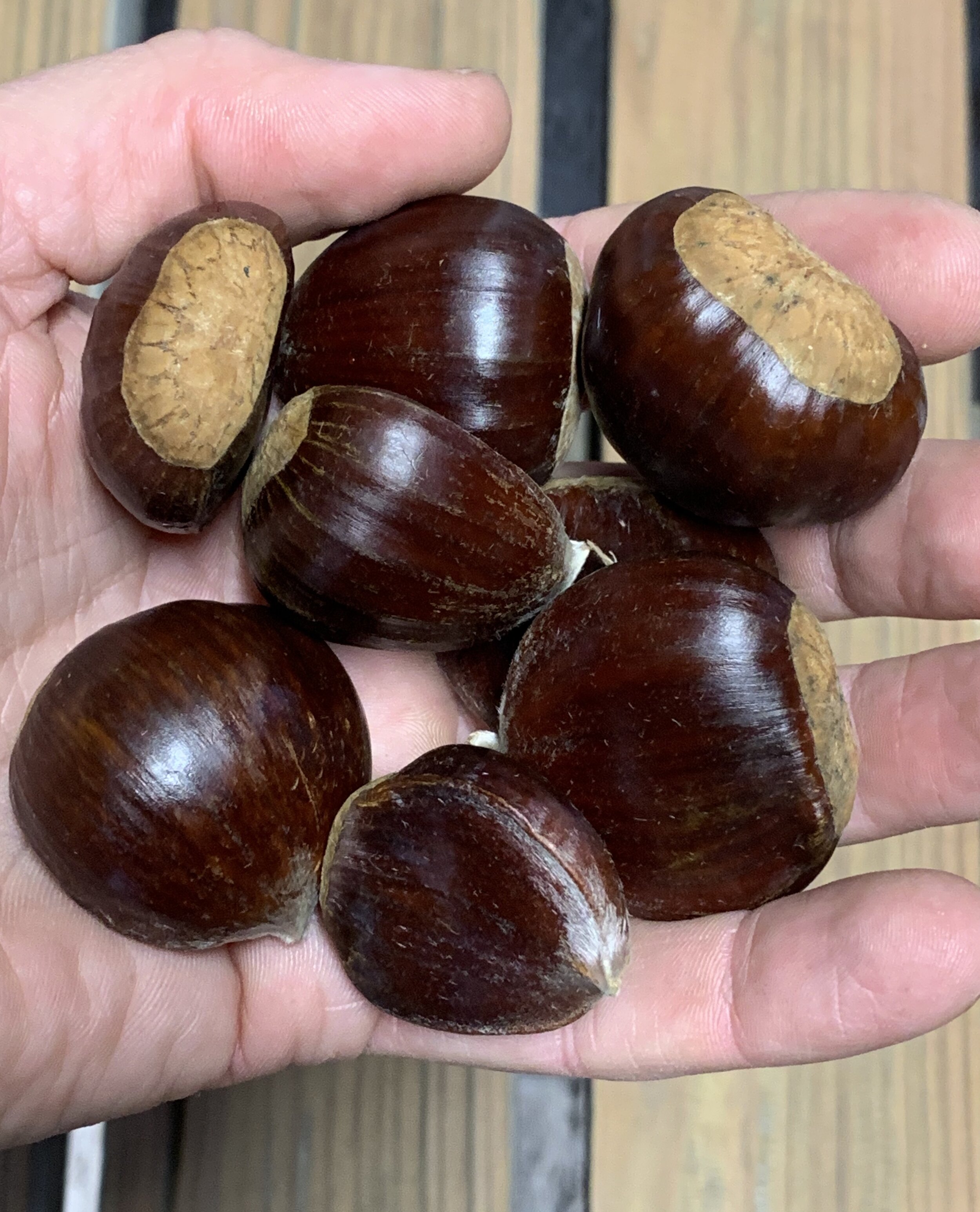
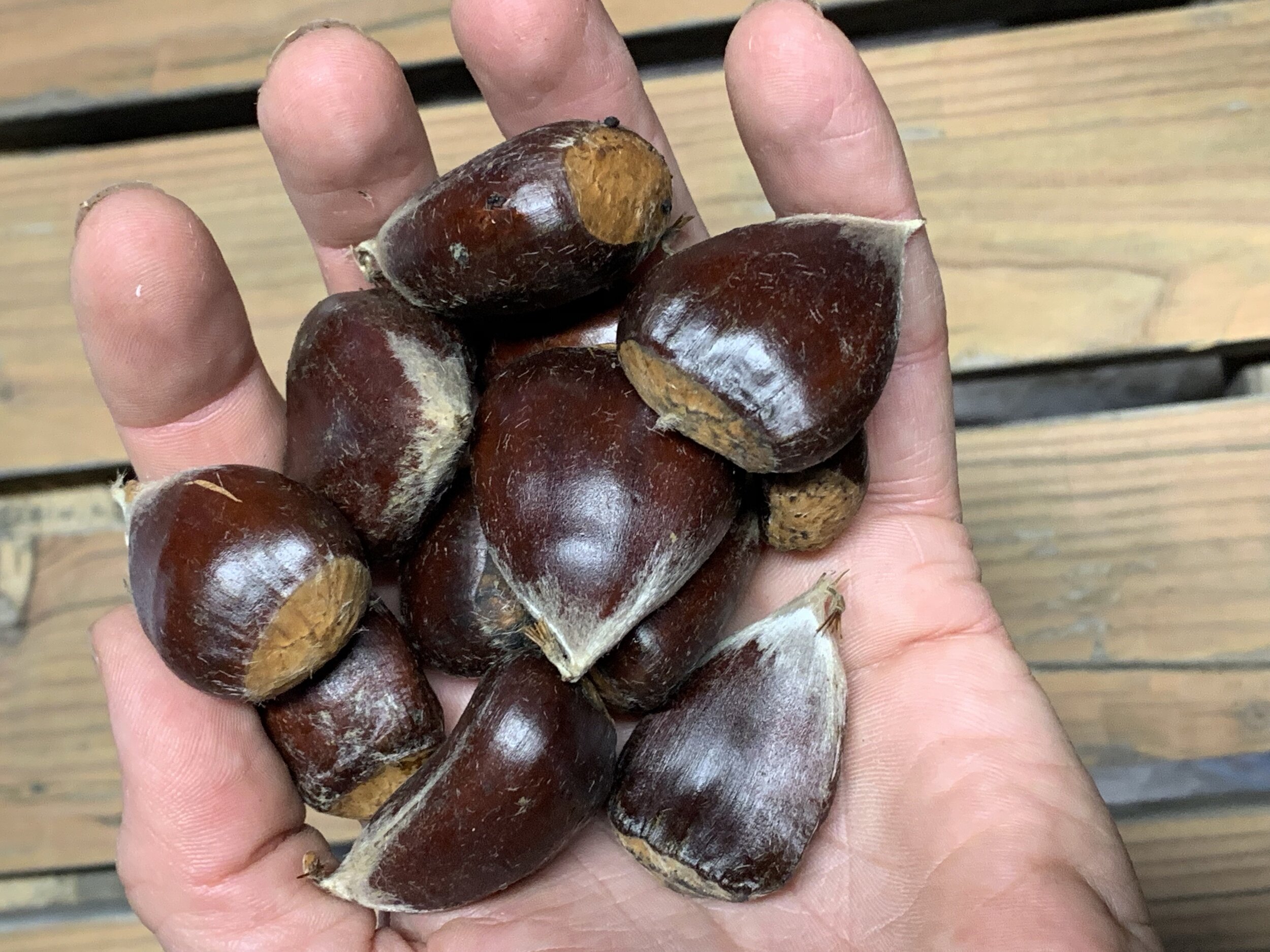
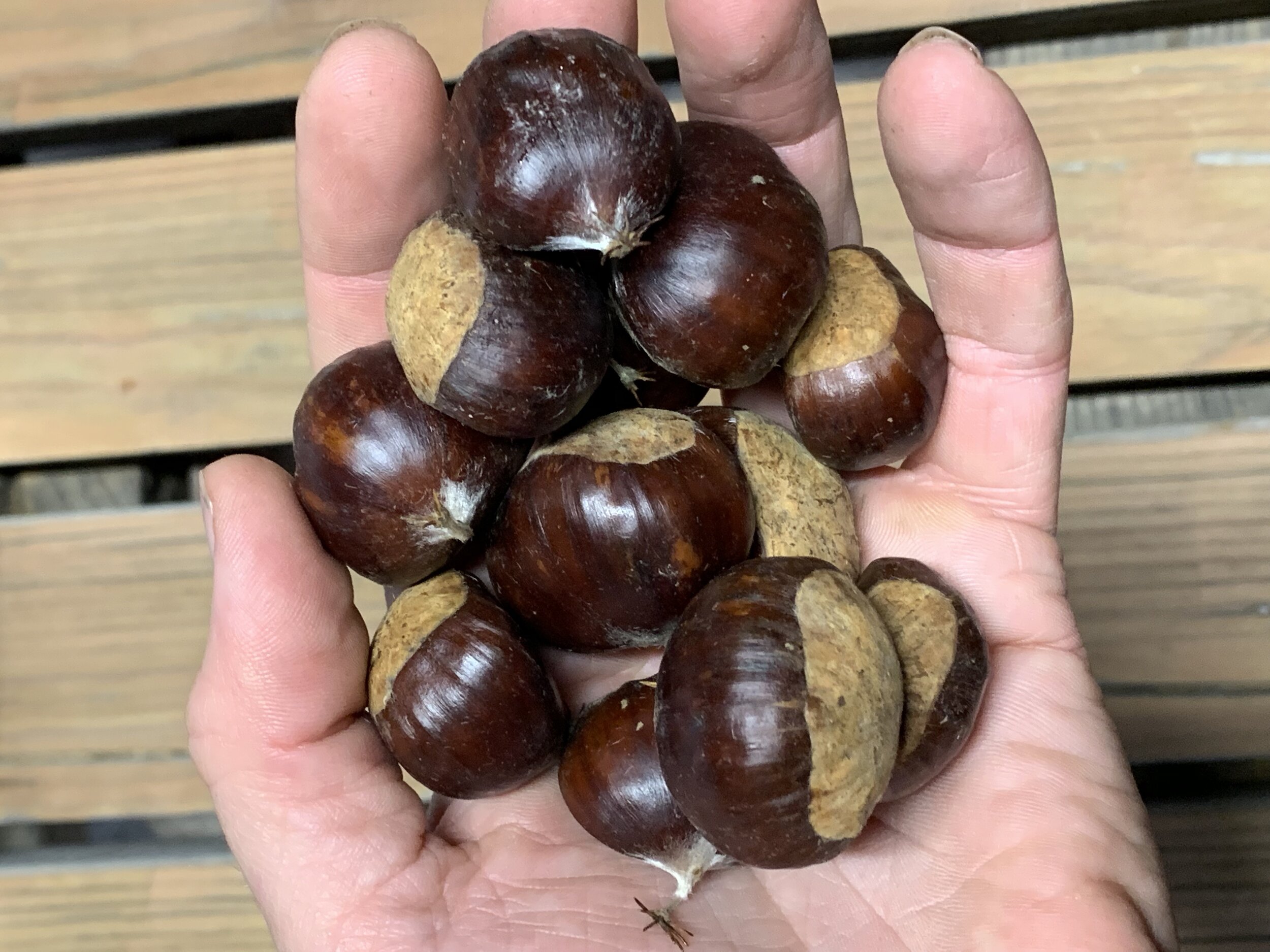
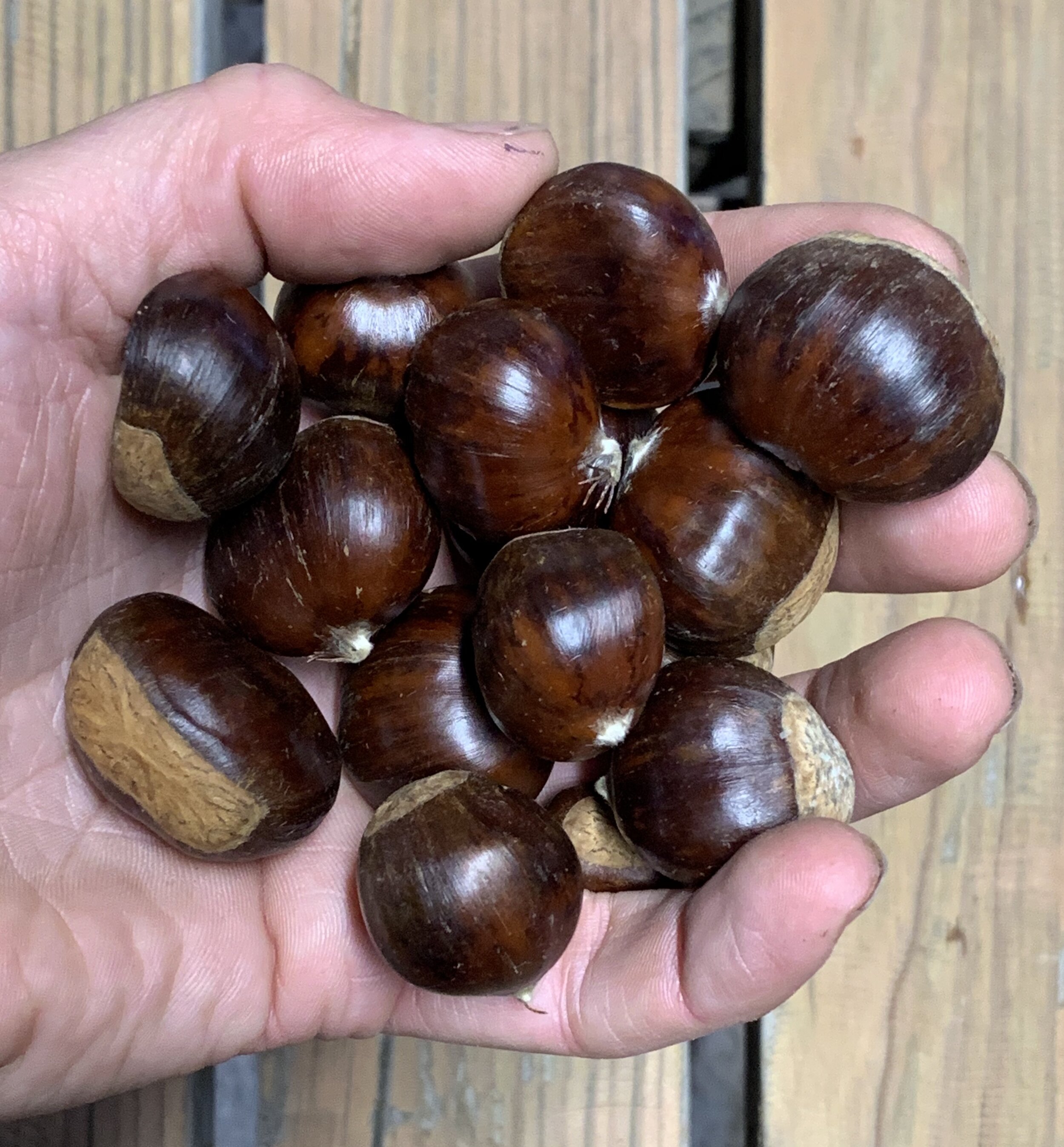
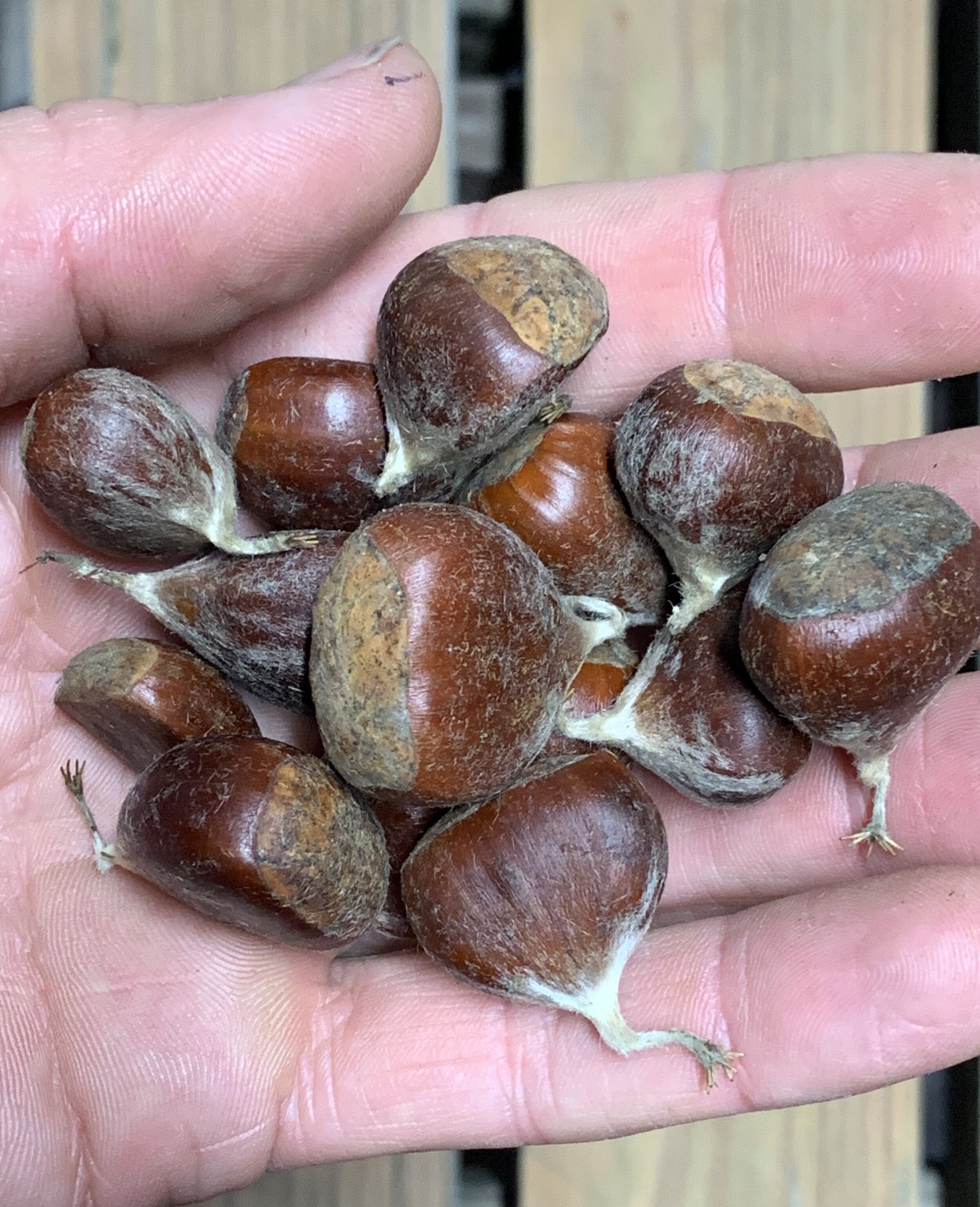
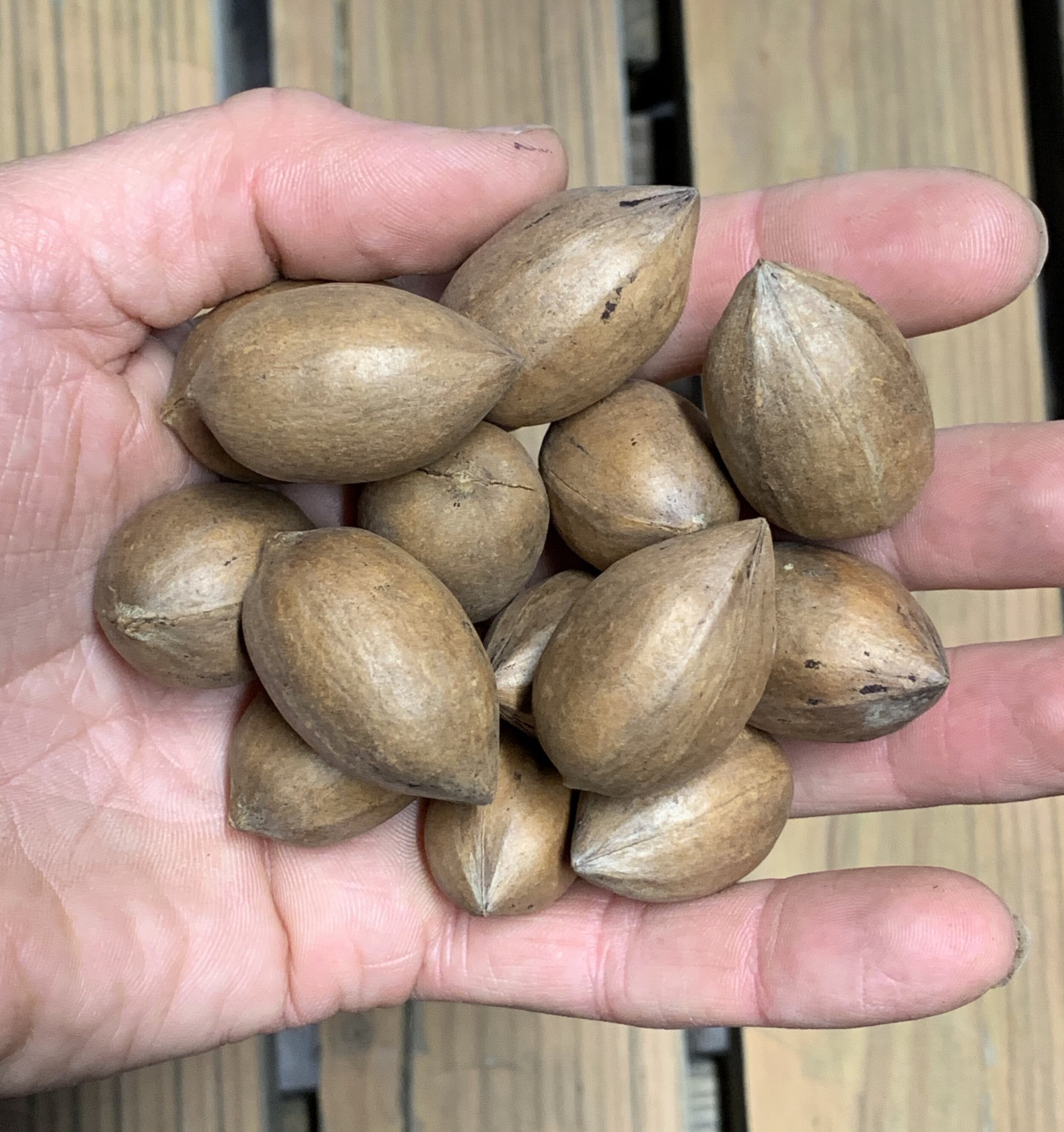
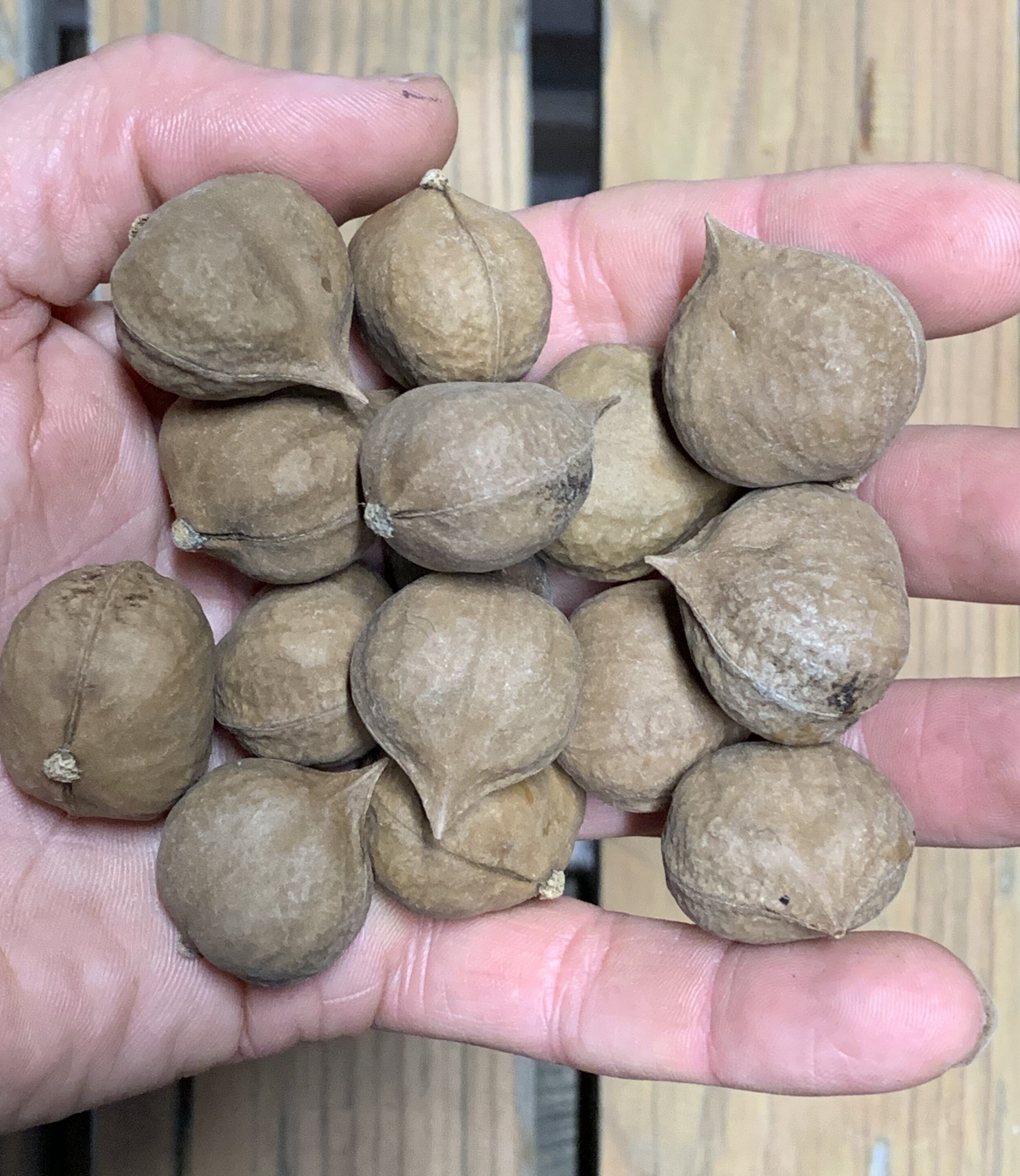
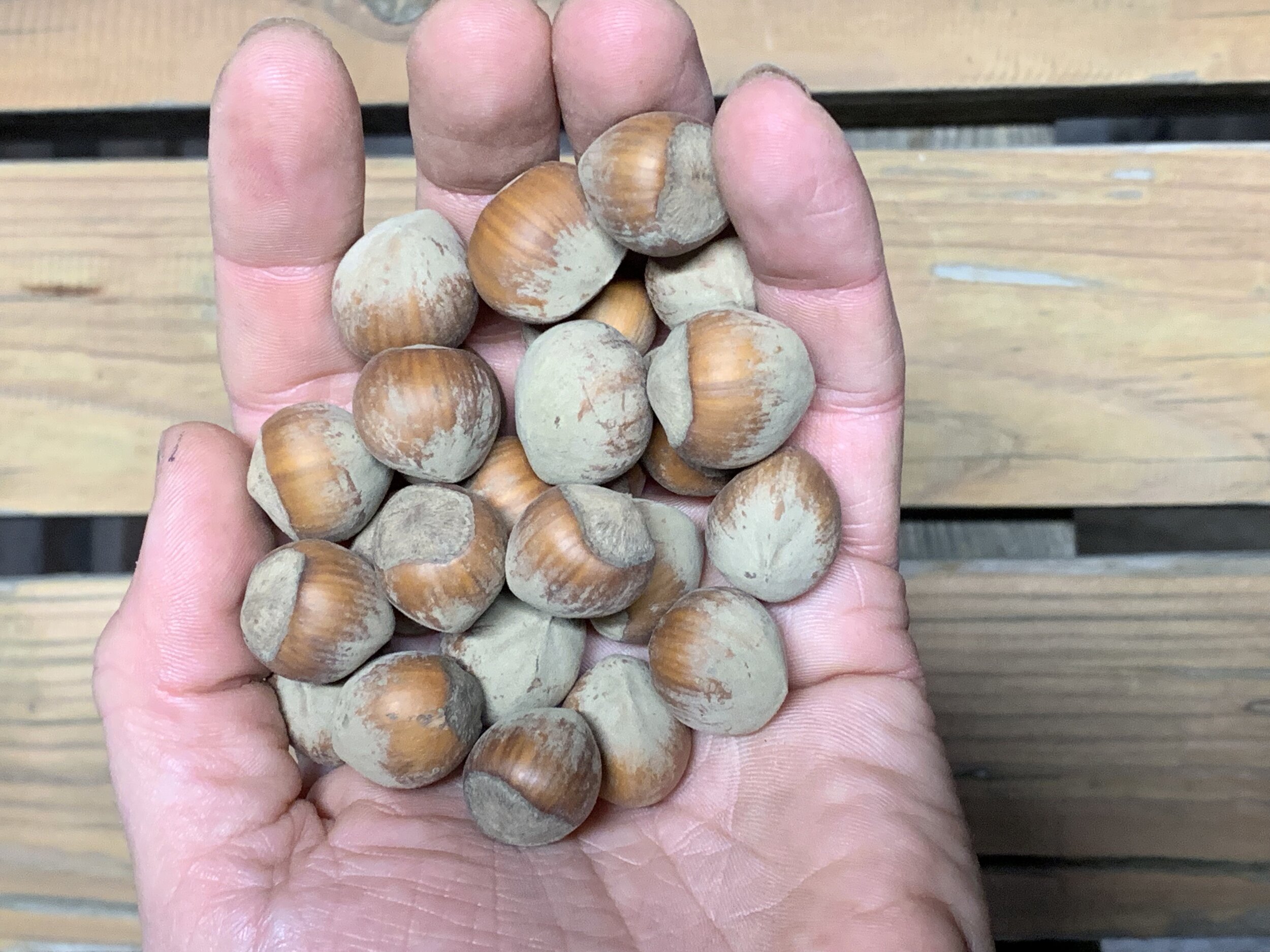
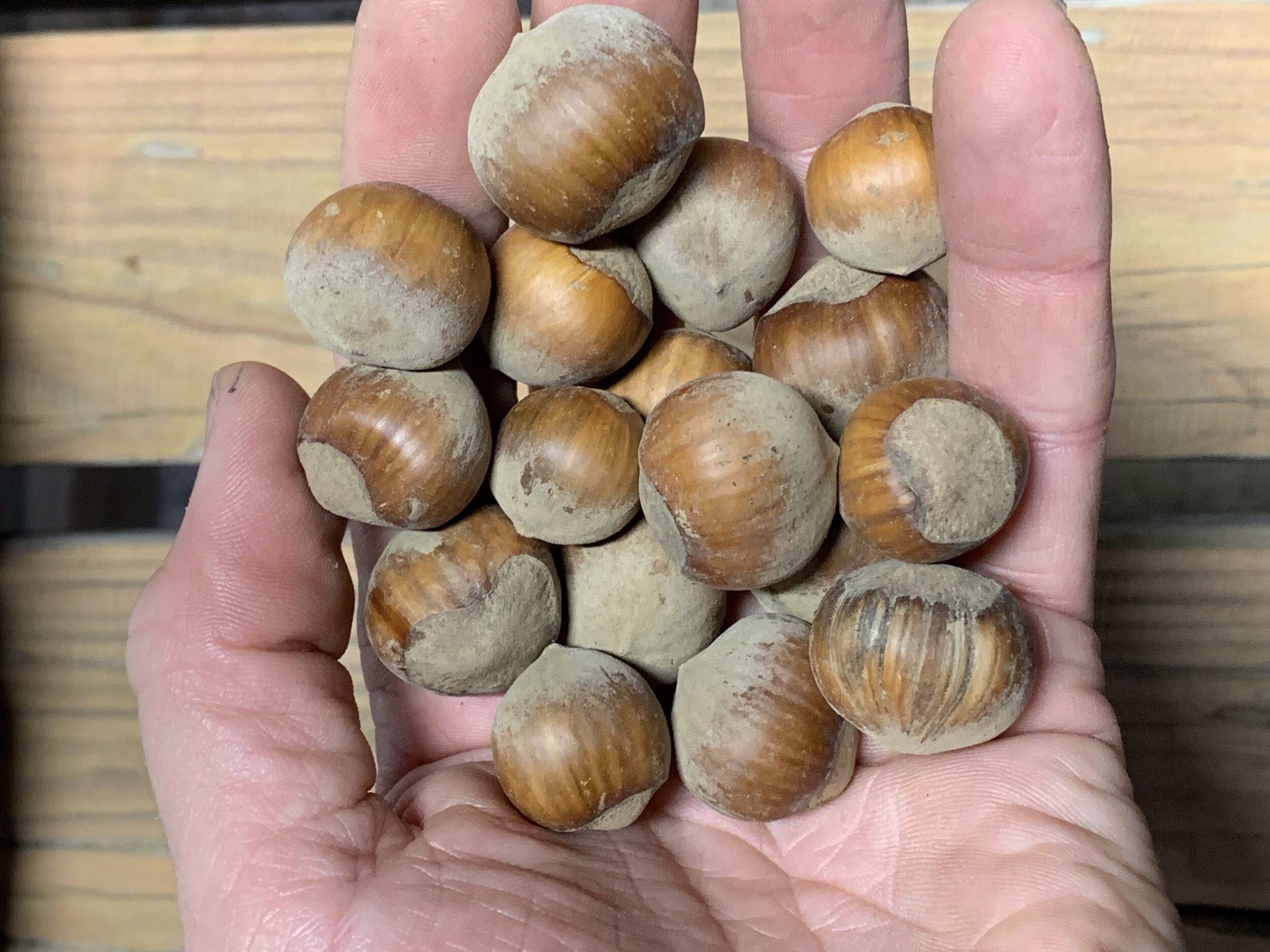
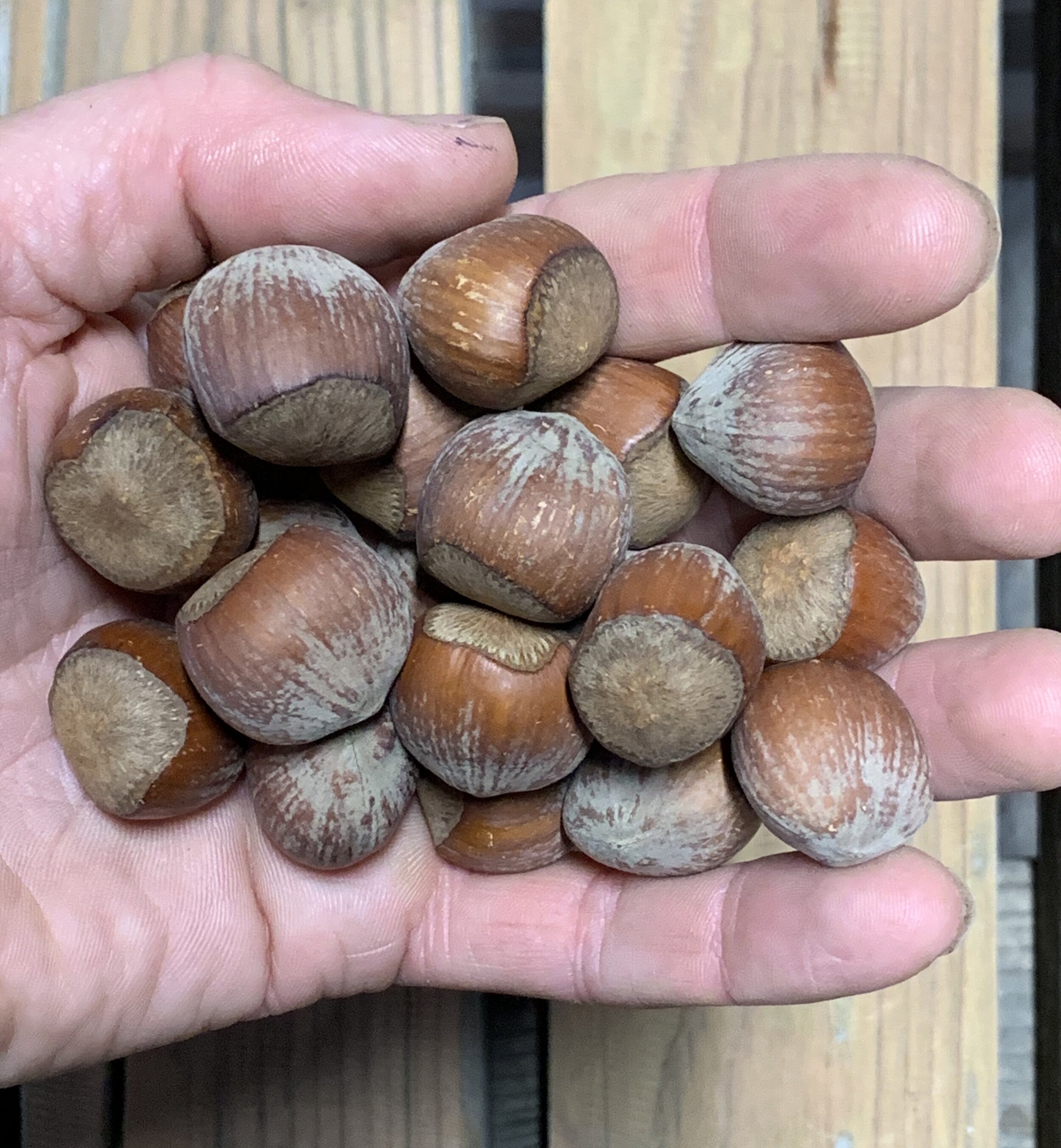
Chestnuts, hazelnuts and heart nuts....
Some examples of the numerous variations of chestnut and hazel nut I am propagating this year.


Seeds
Featured


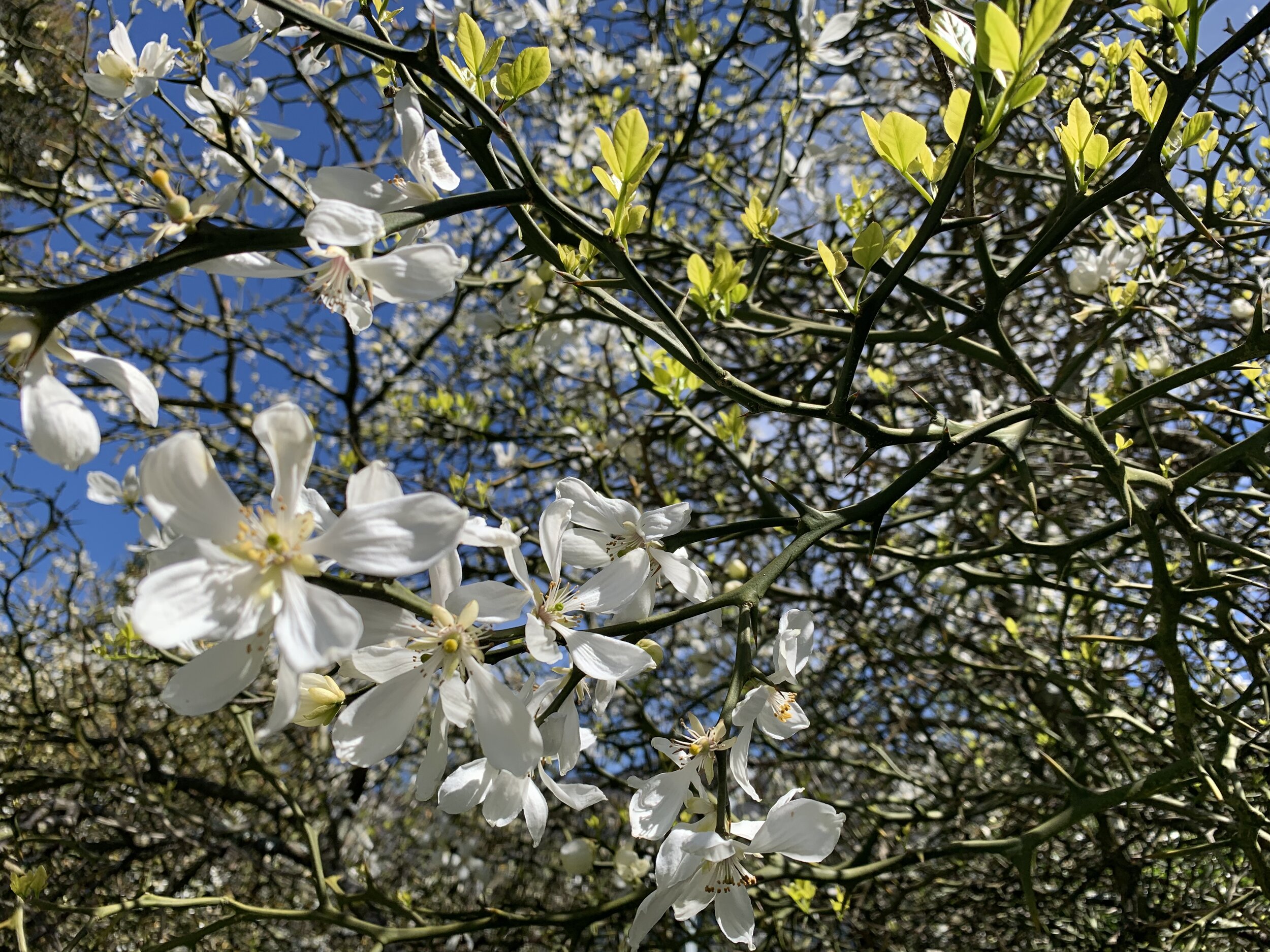
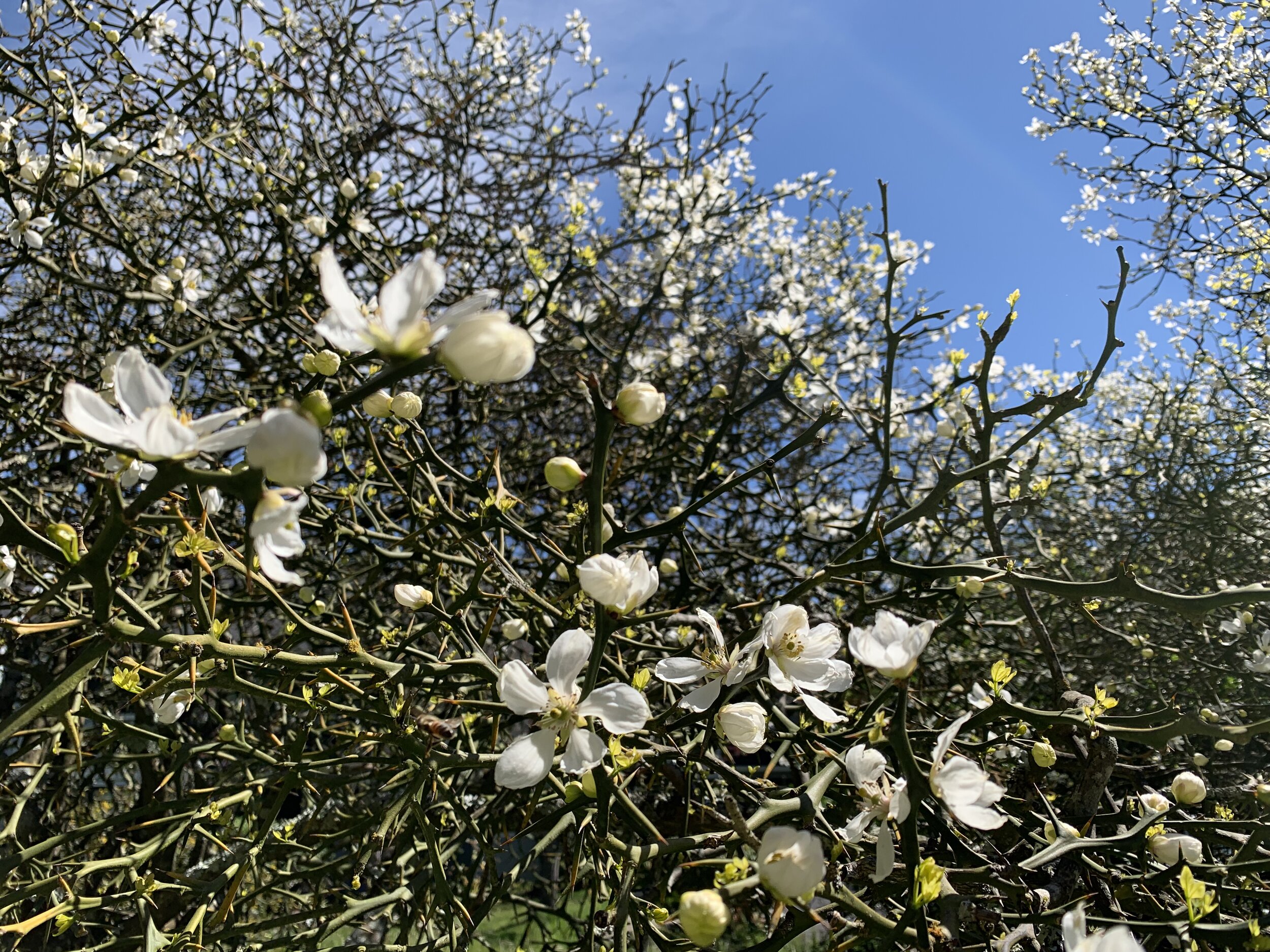
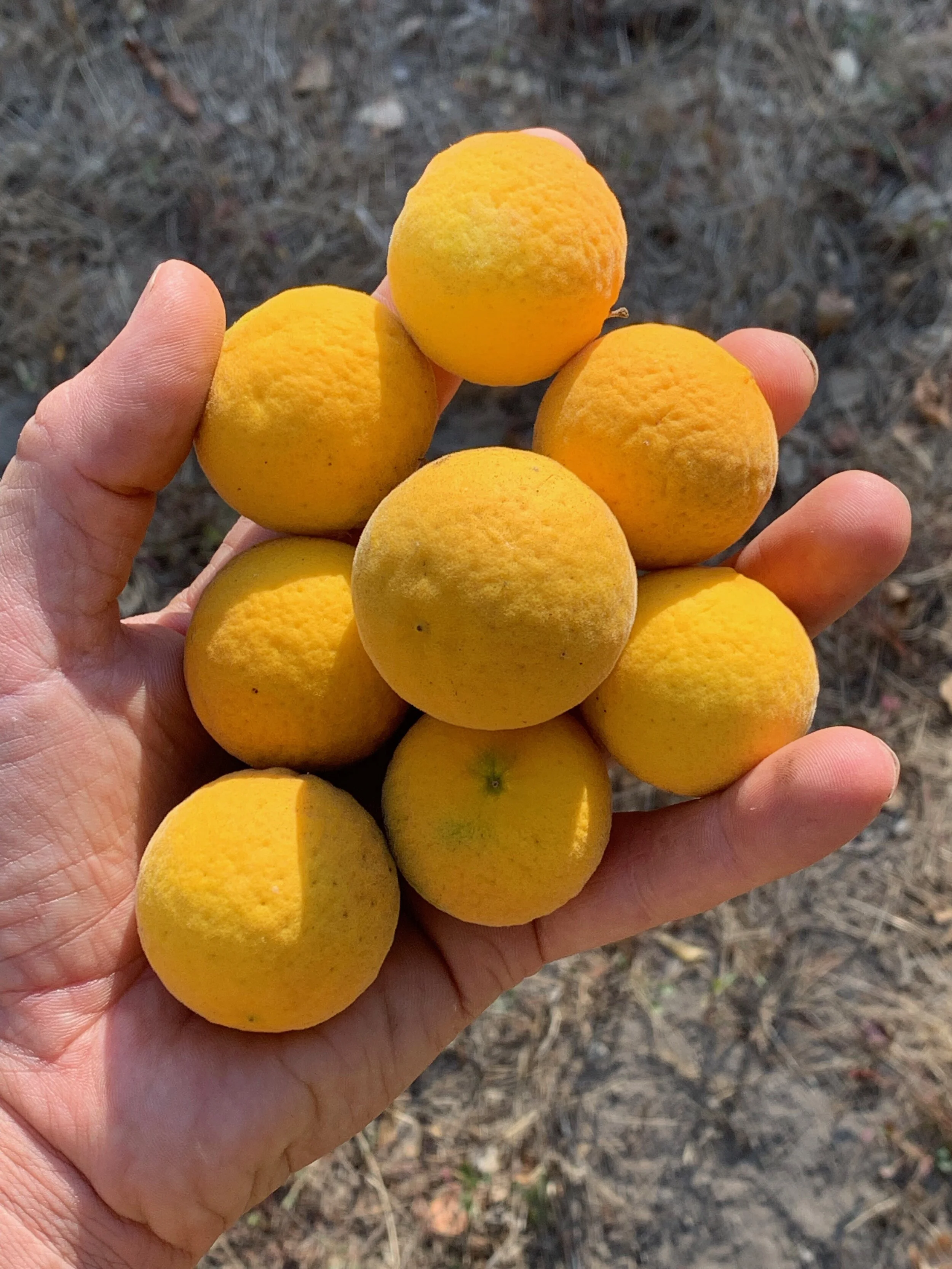
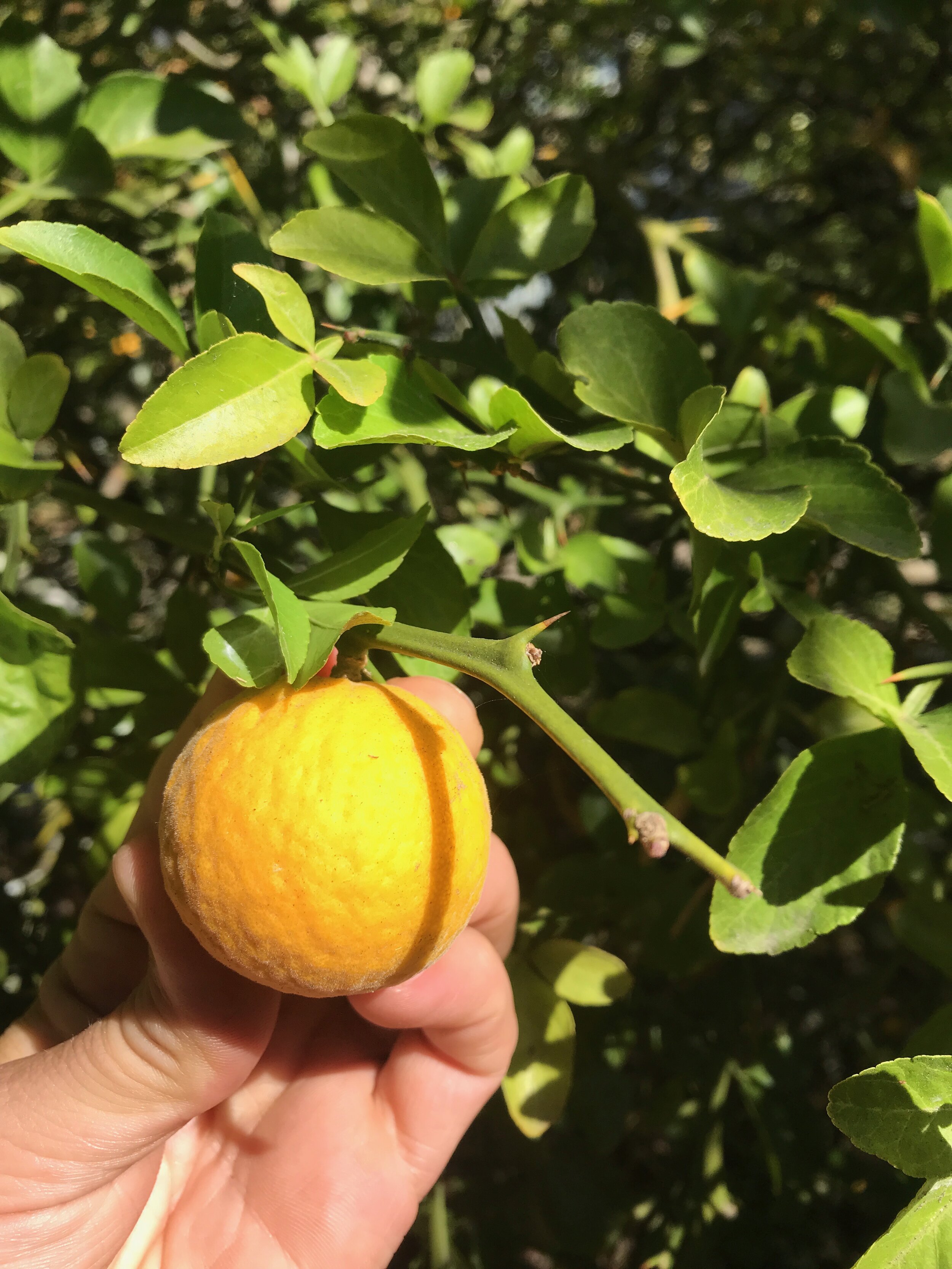
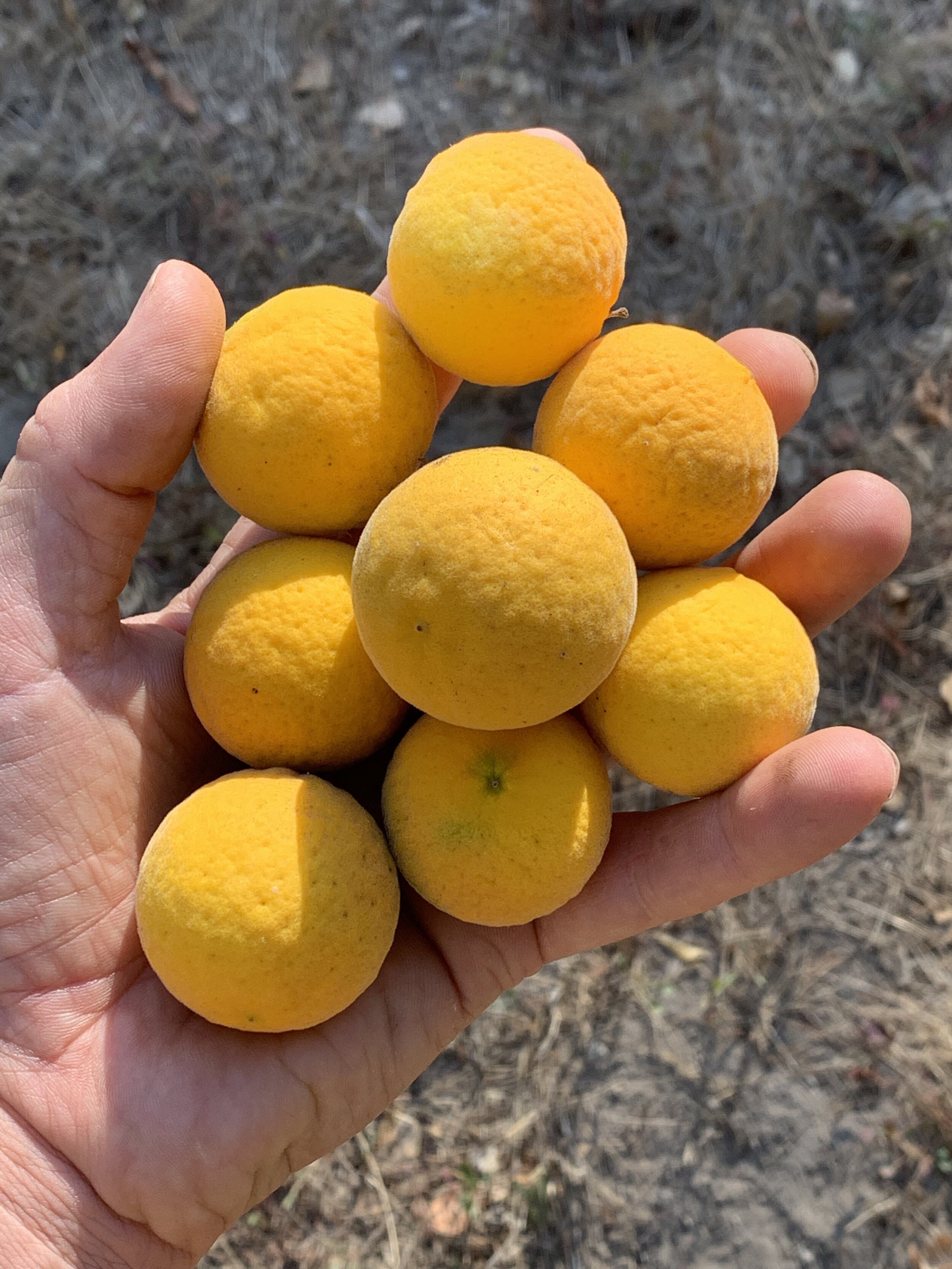
Trifoliate Orange - Poncirus trifoliata
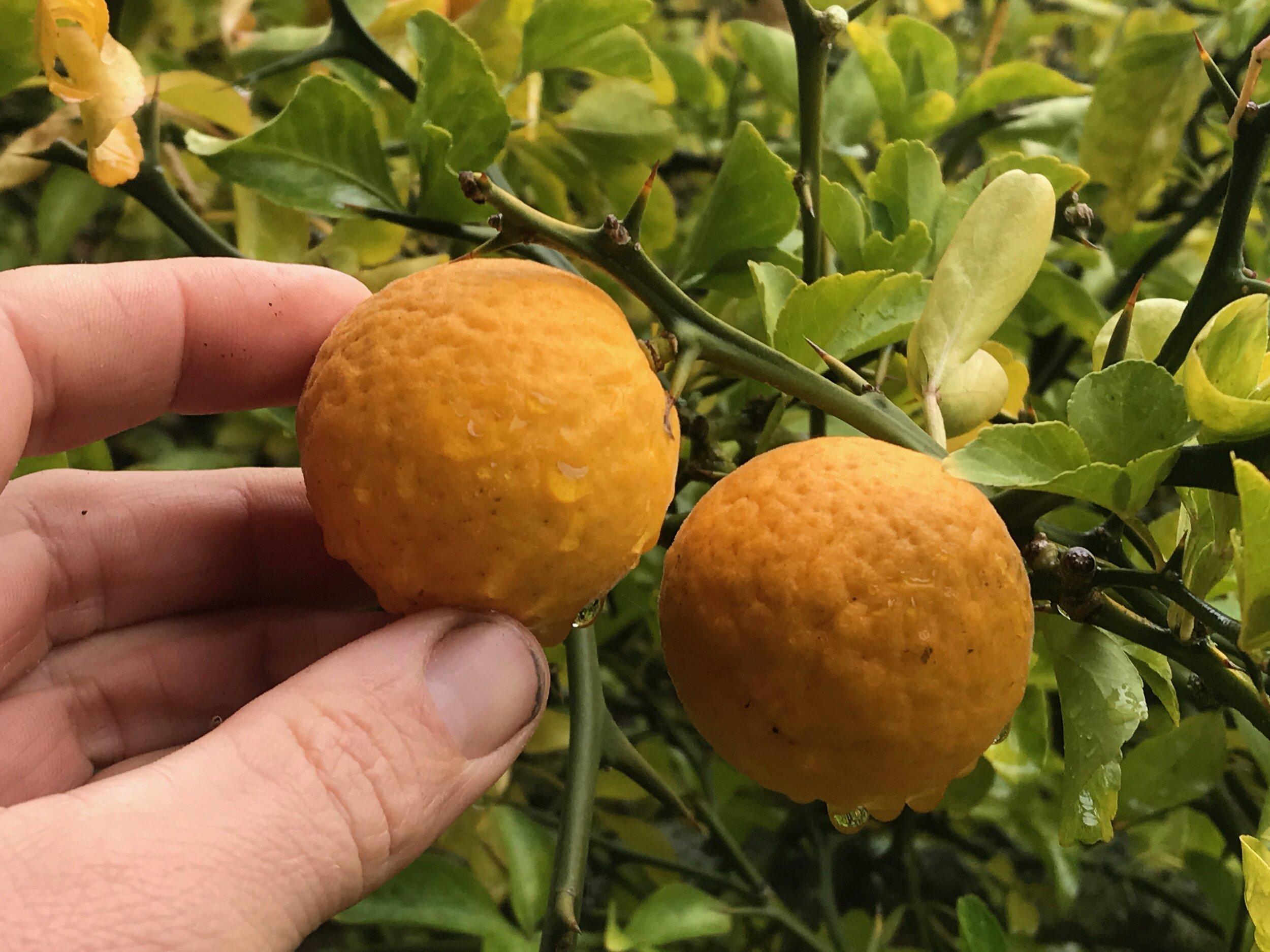
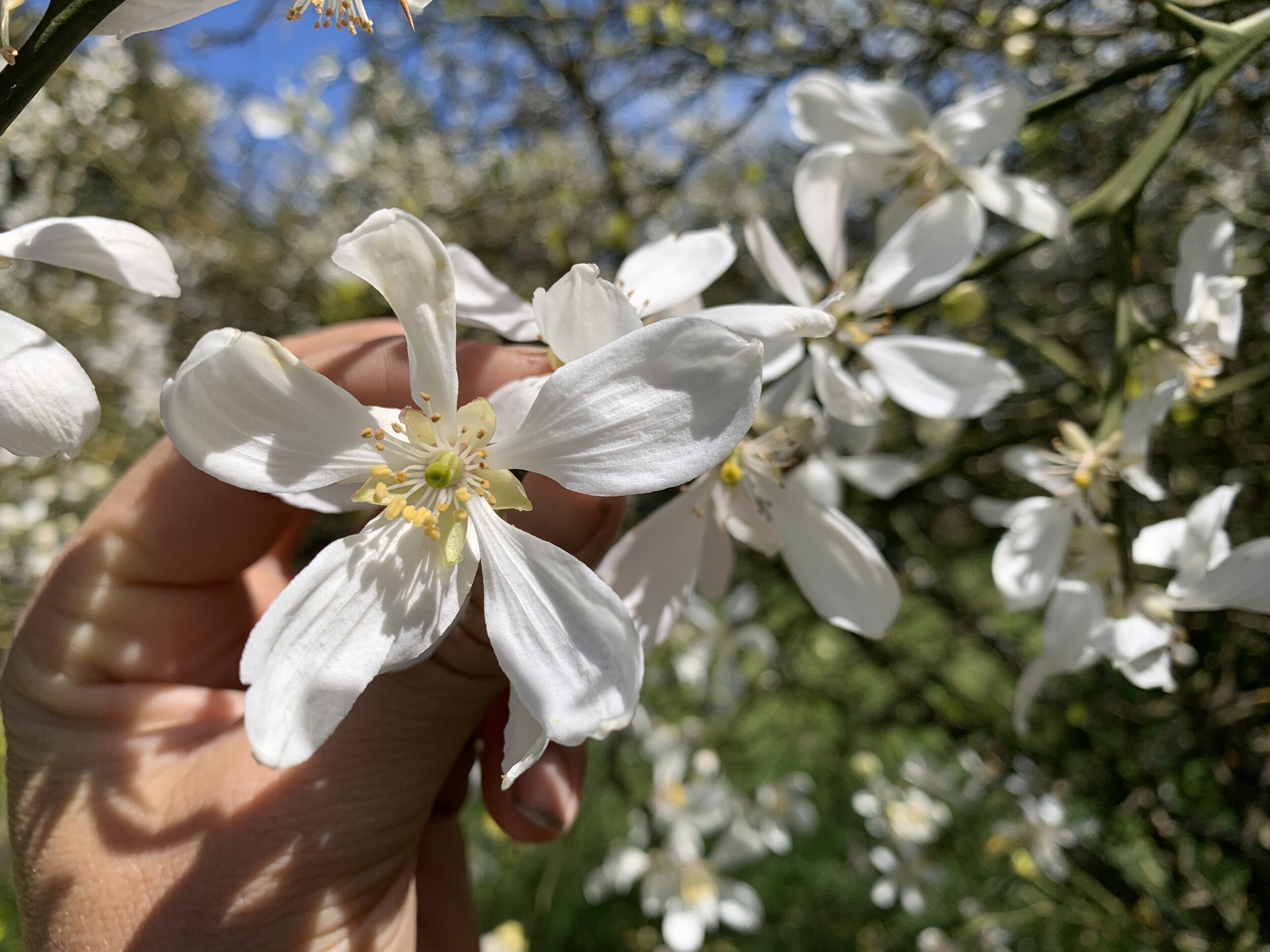
Native to China and Korea, this is the most cold hardy
Trifoliate orange and various hybrids of this plant are widely used as citrus rootstocks. The plant is a fairly cold-hardy citrus (USDA zone 6) and will tolerate moderate frost and snow, making a large shrub or small tree 4–8 m tall. Because of its relative hardiness, citrus grafted onto Citrus trifoliata are usually hardier than when grown on their own roots.
Recent studies have revealed that the trifoliate orange contains aurapten at a high concentration, which is one of the functional components having immunity against citrus tristeza virus (CTV).
he fruits are very bitter, due in part to their poncirin content. Most people consider them inedible fresh, but they can be made into marmalade. When dried and powdered, they can be used as a condiment.
The fruits of the trifoliate orange are widely used in medical traditions of East Asia as a treatment for allergic inflammation.
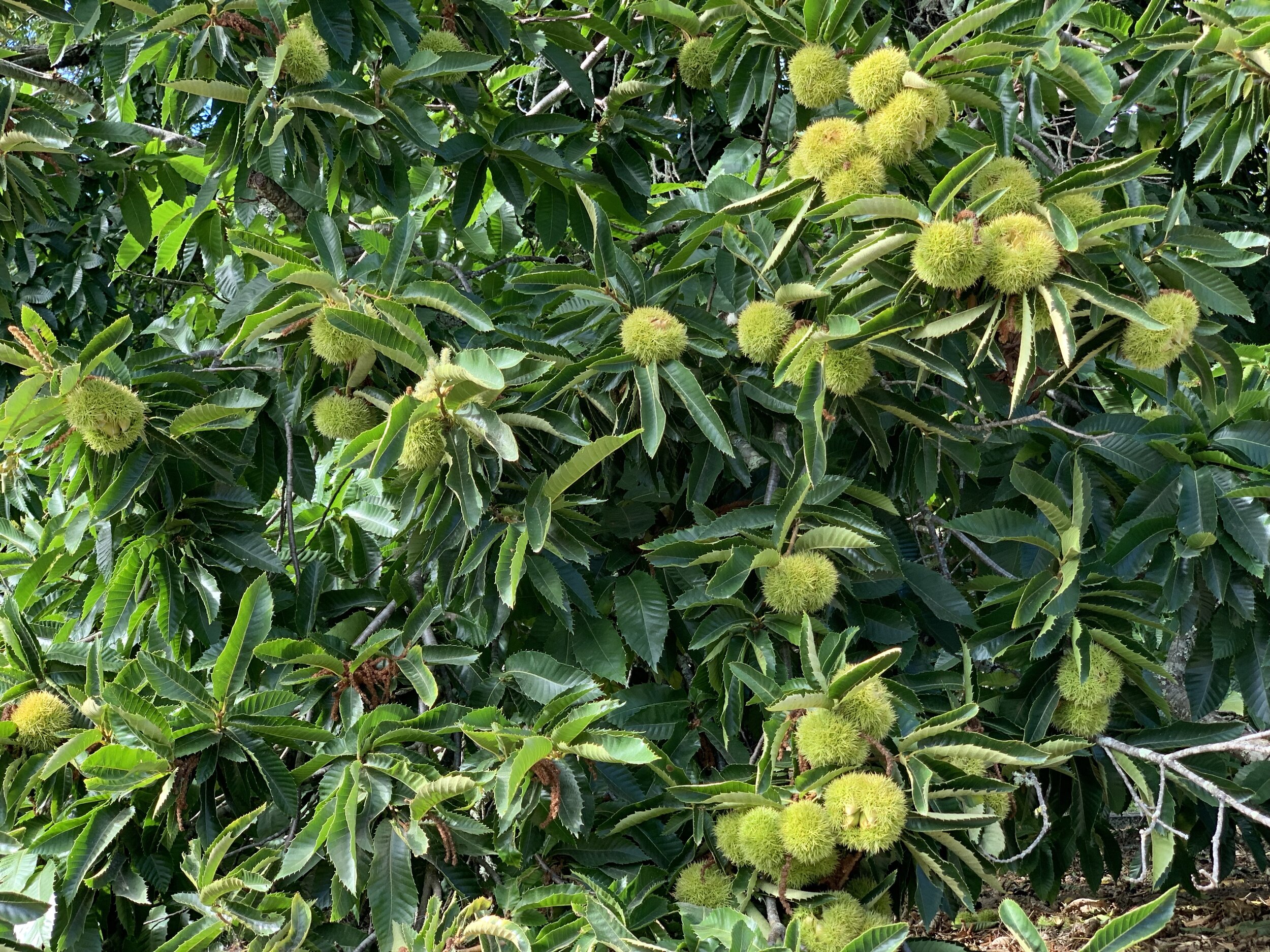
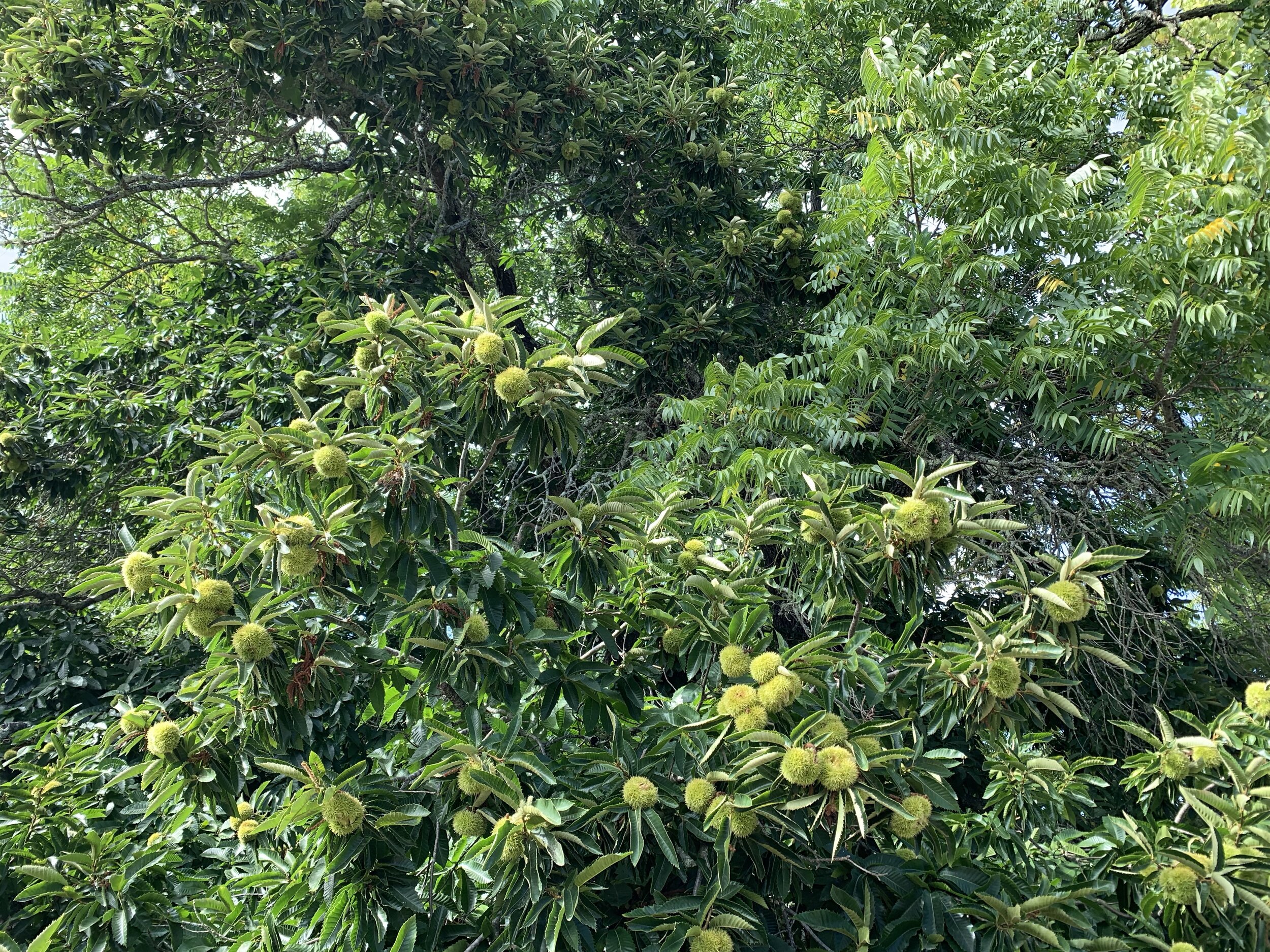
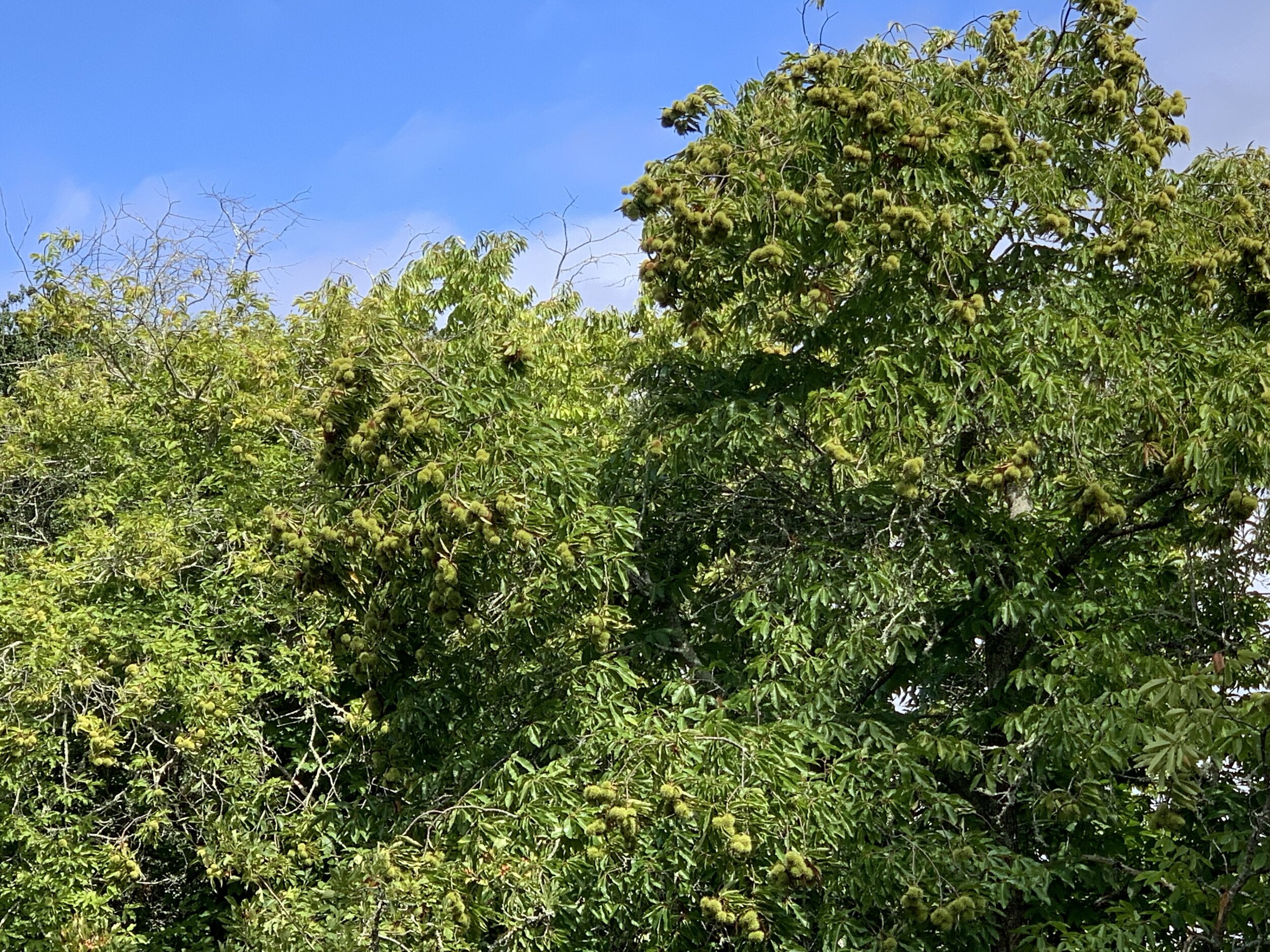
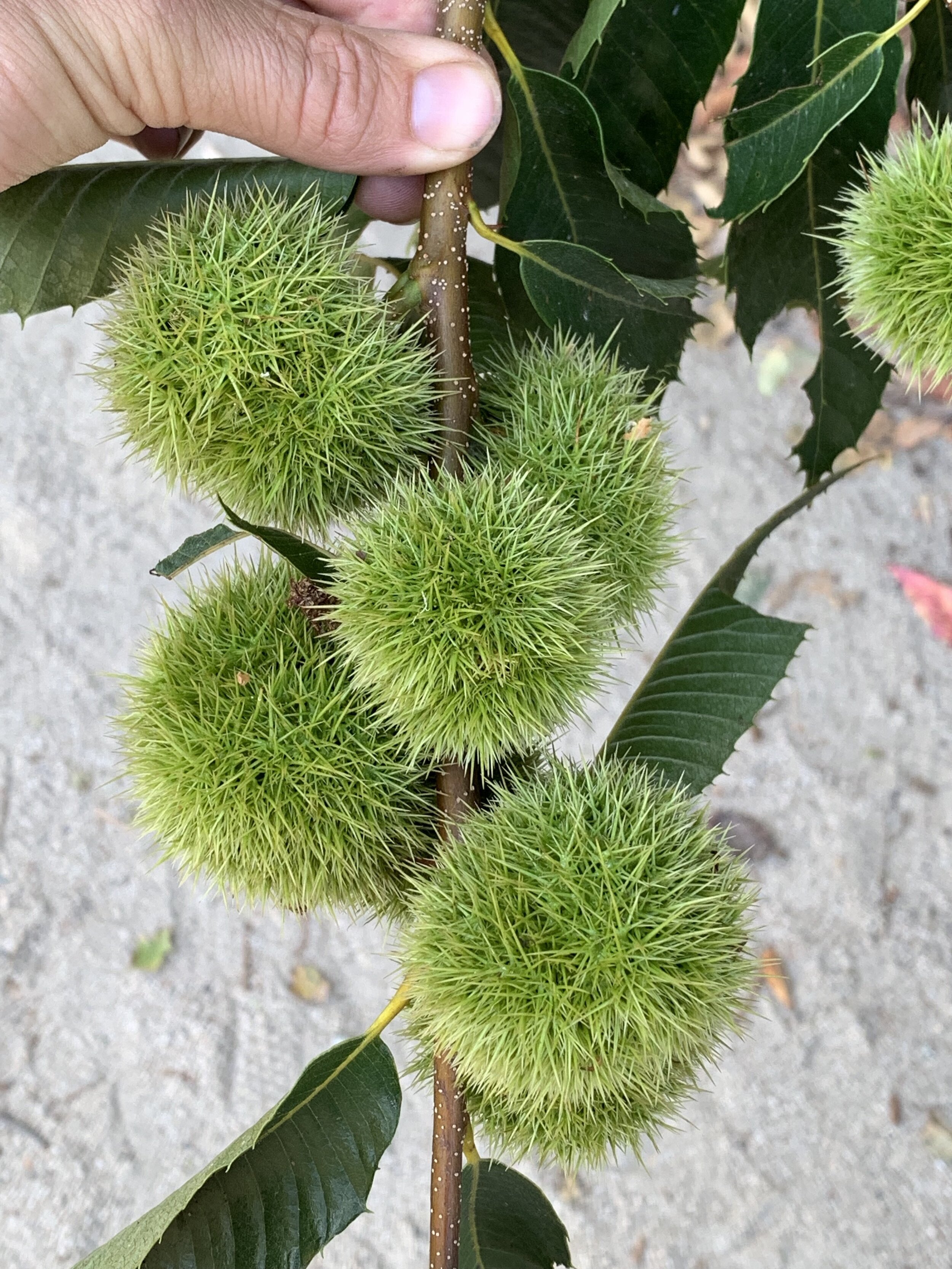
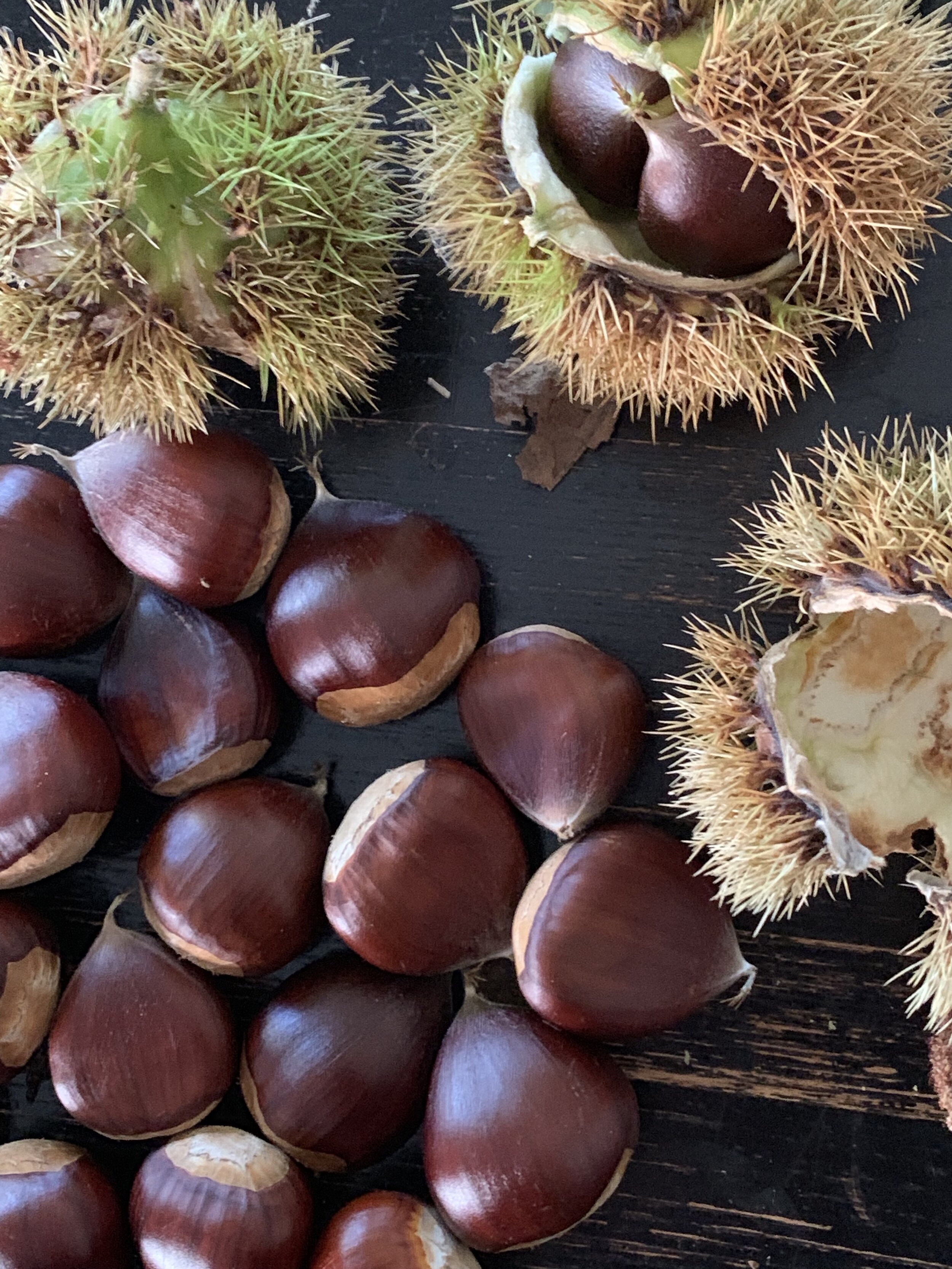
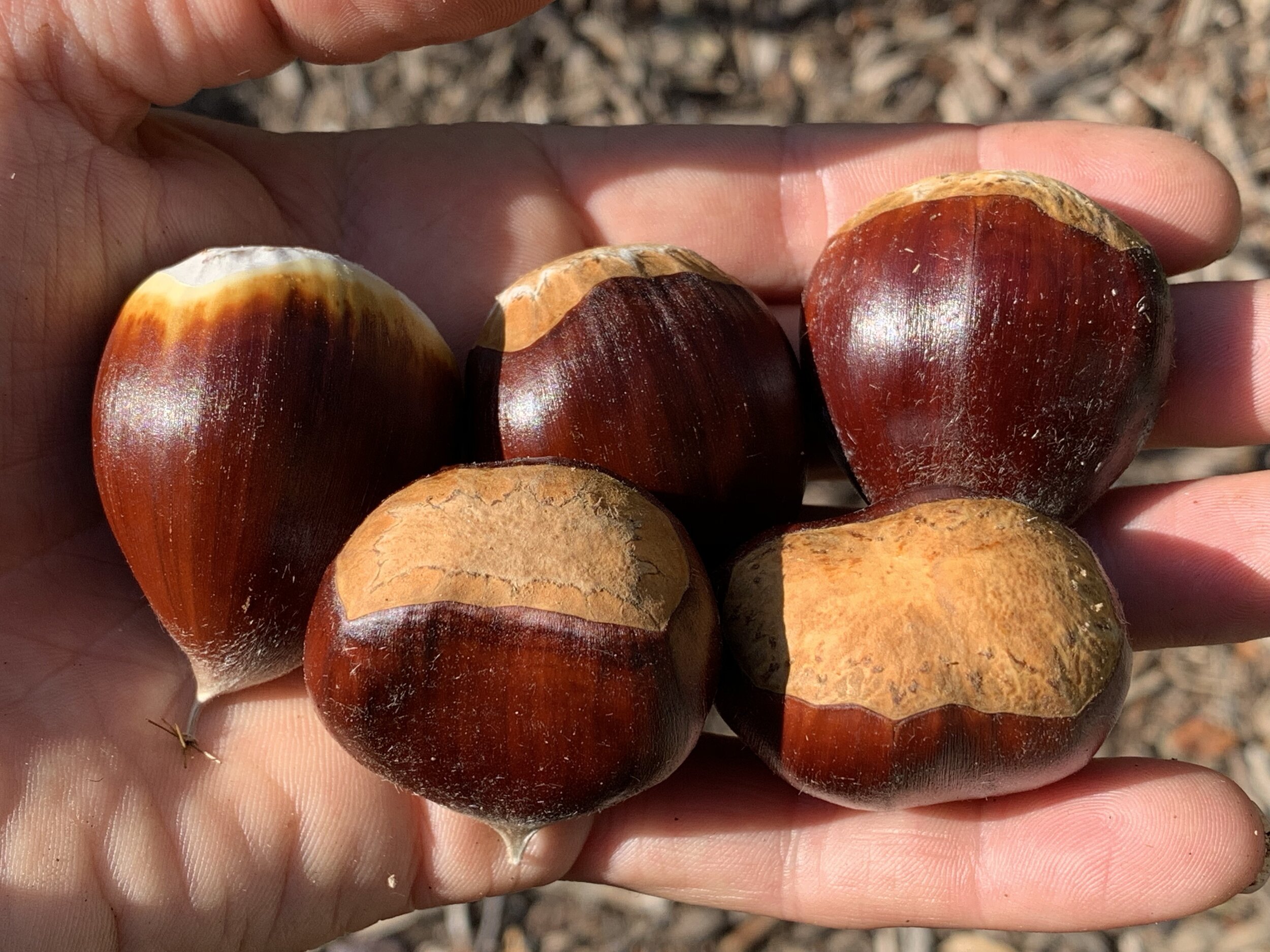
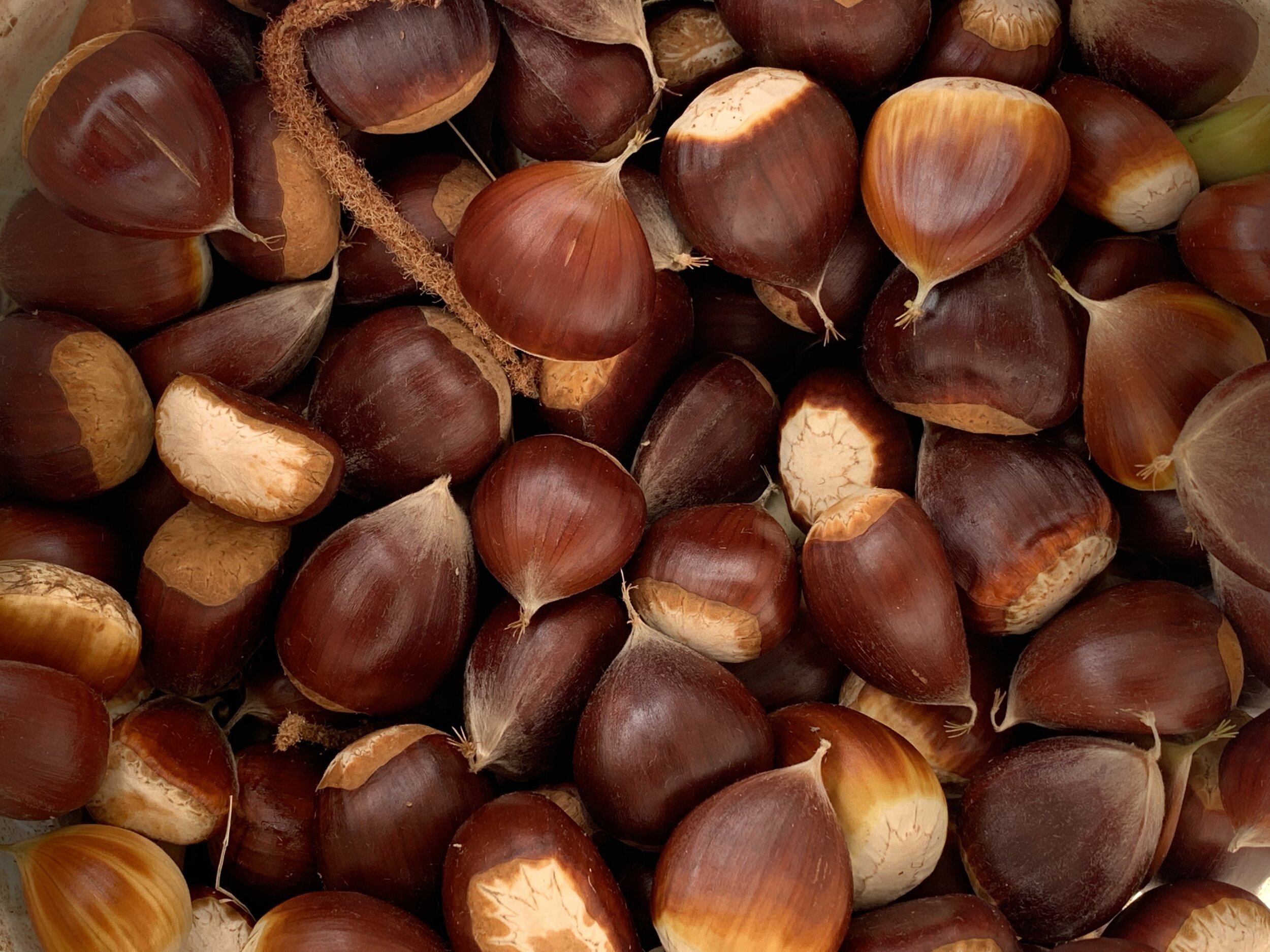
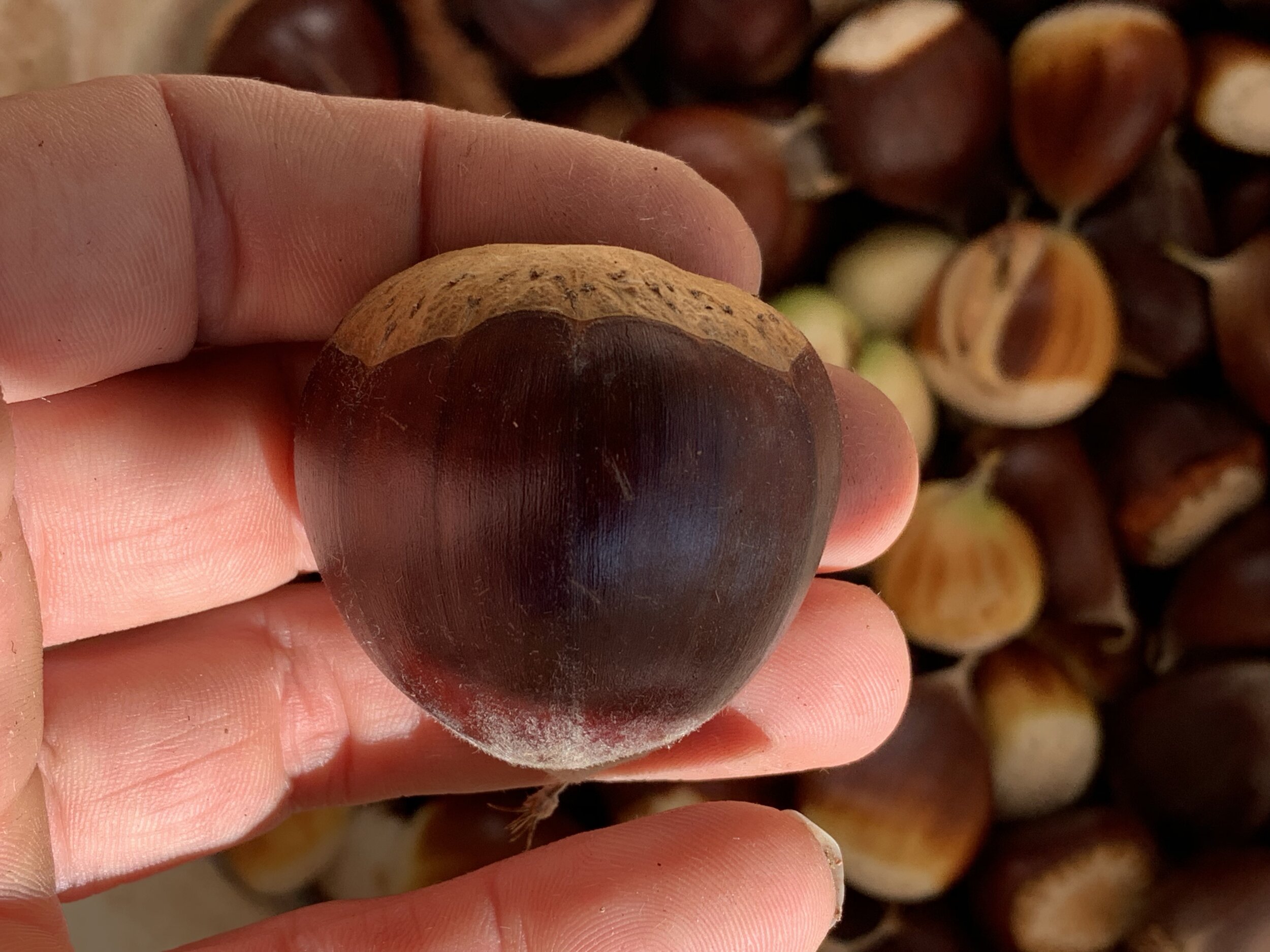
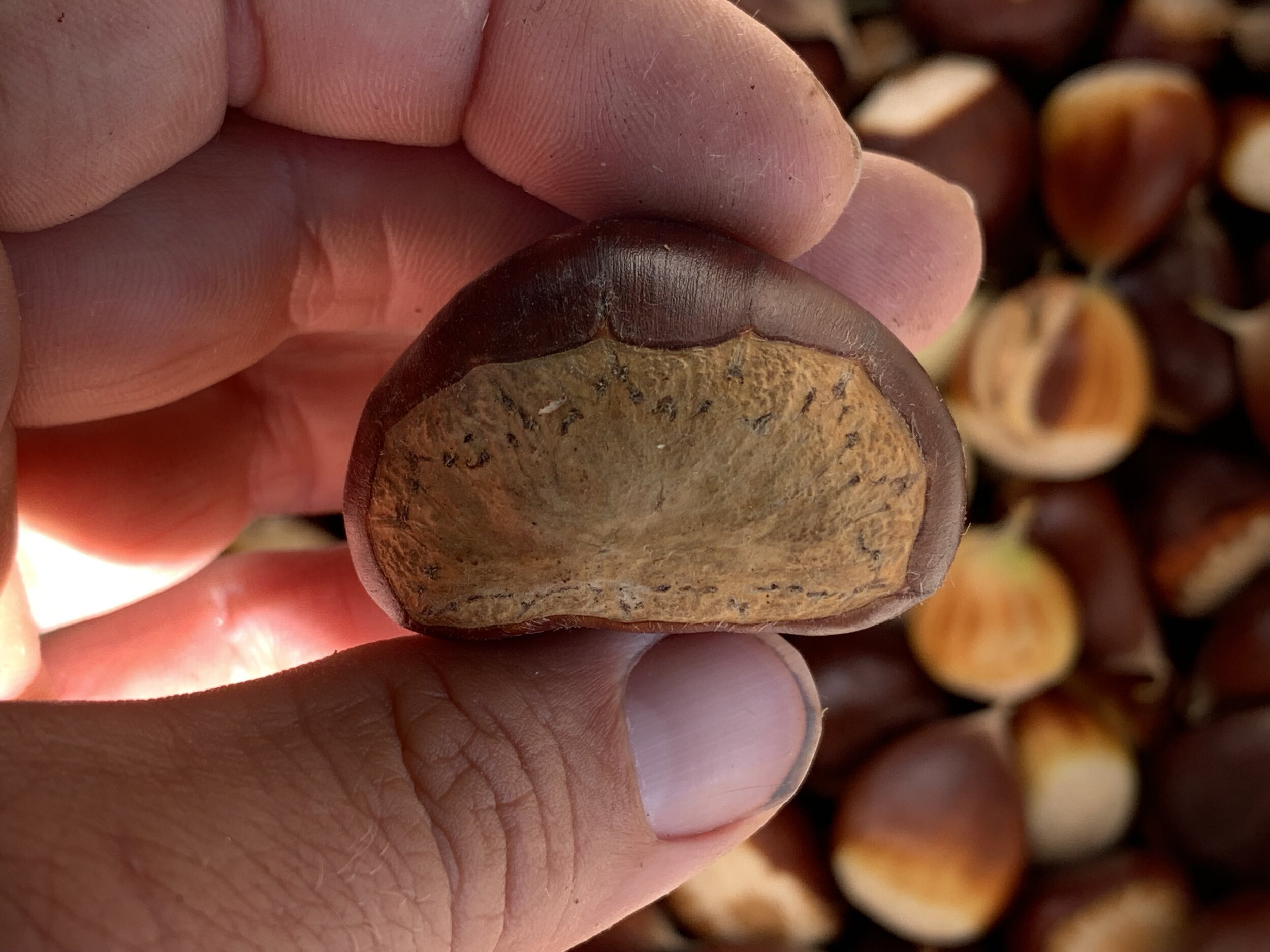
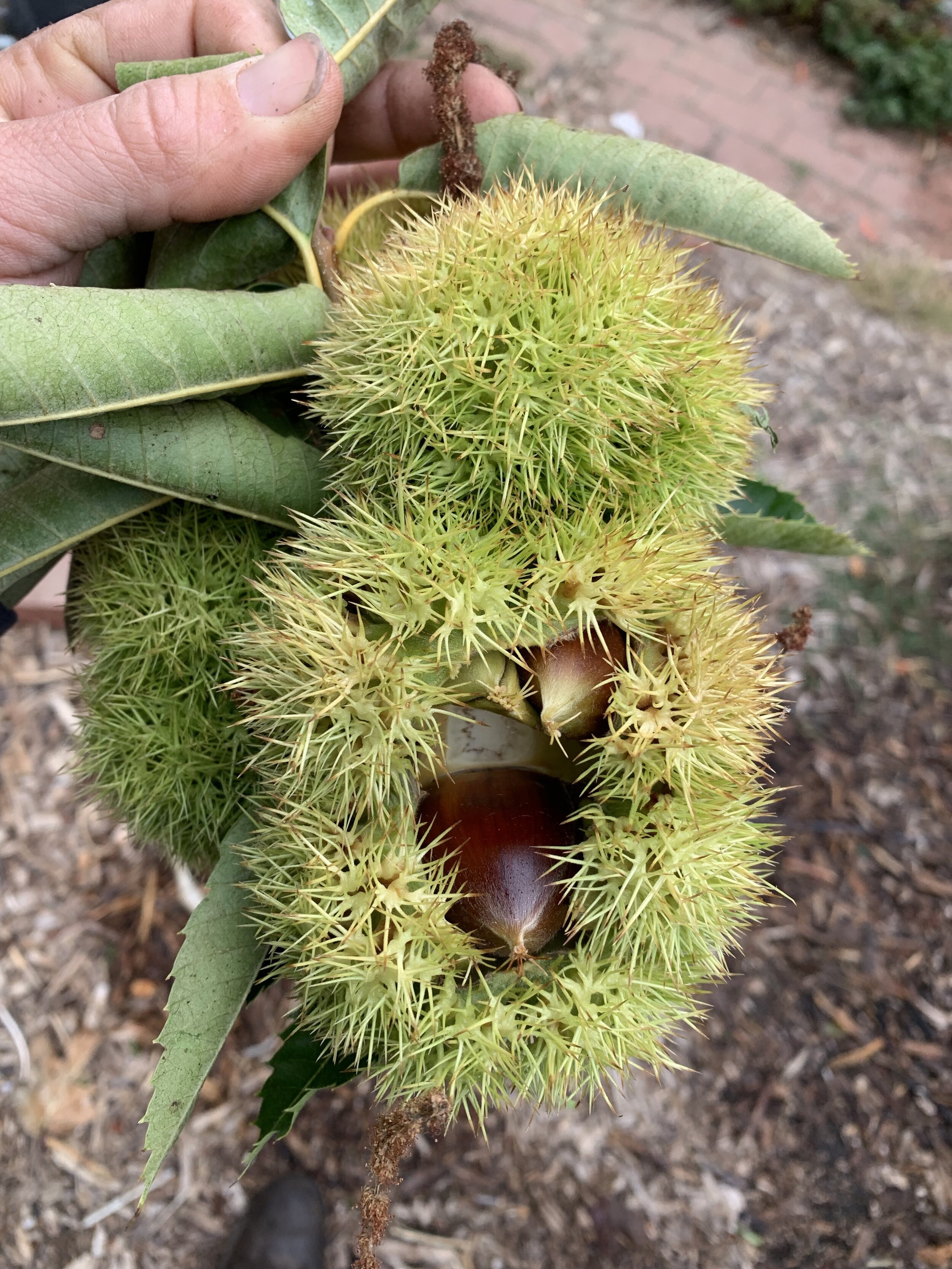
Castanea spp. Luther Burbank hybrid chestnuts
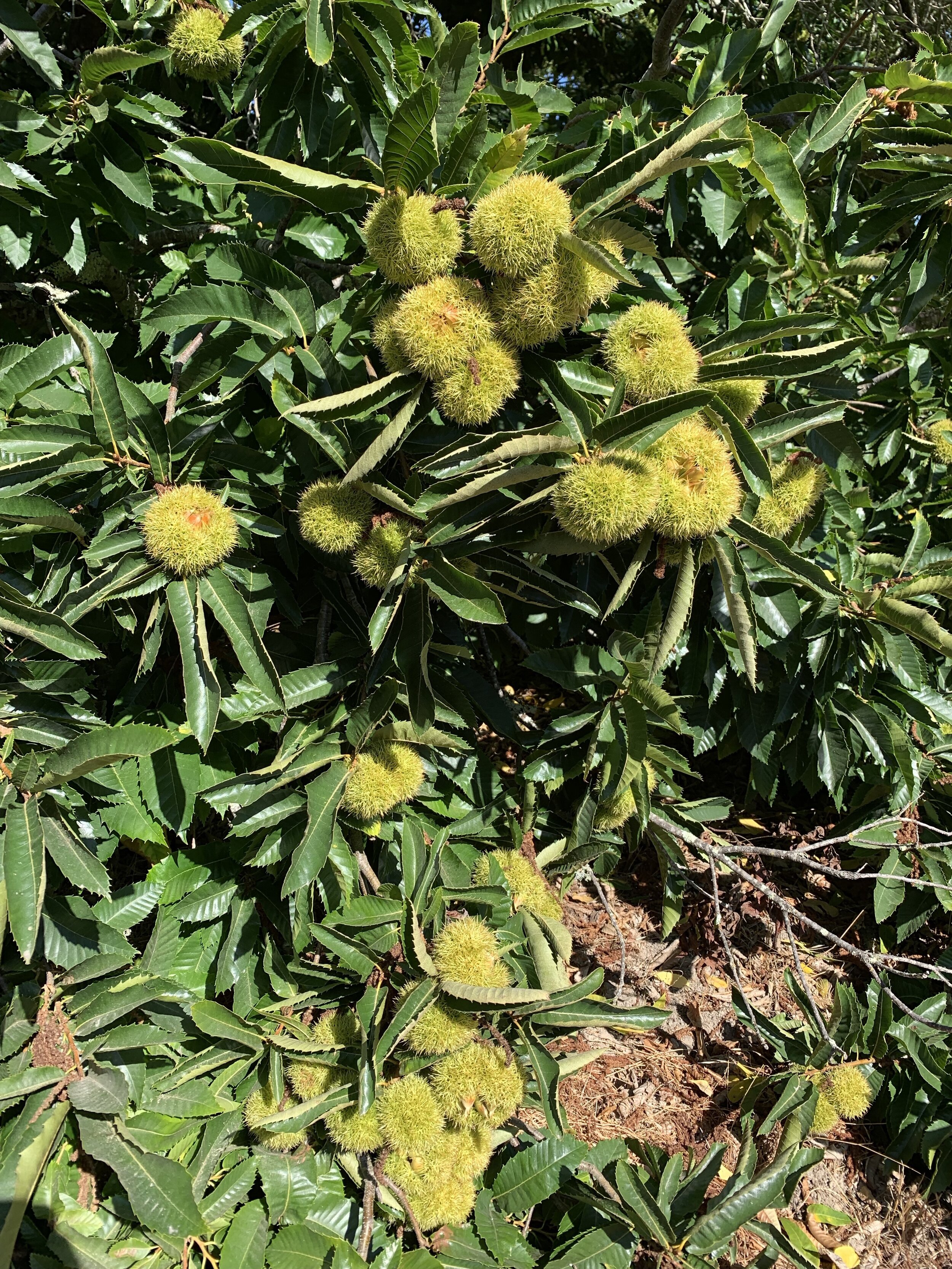
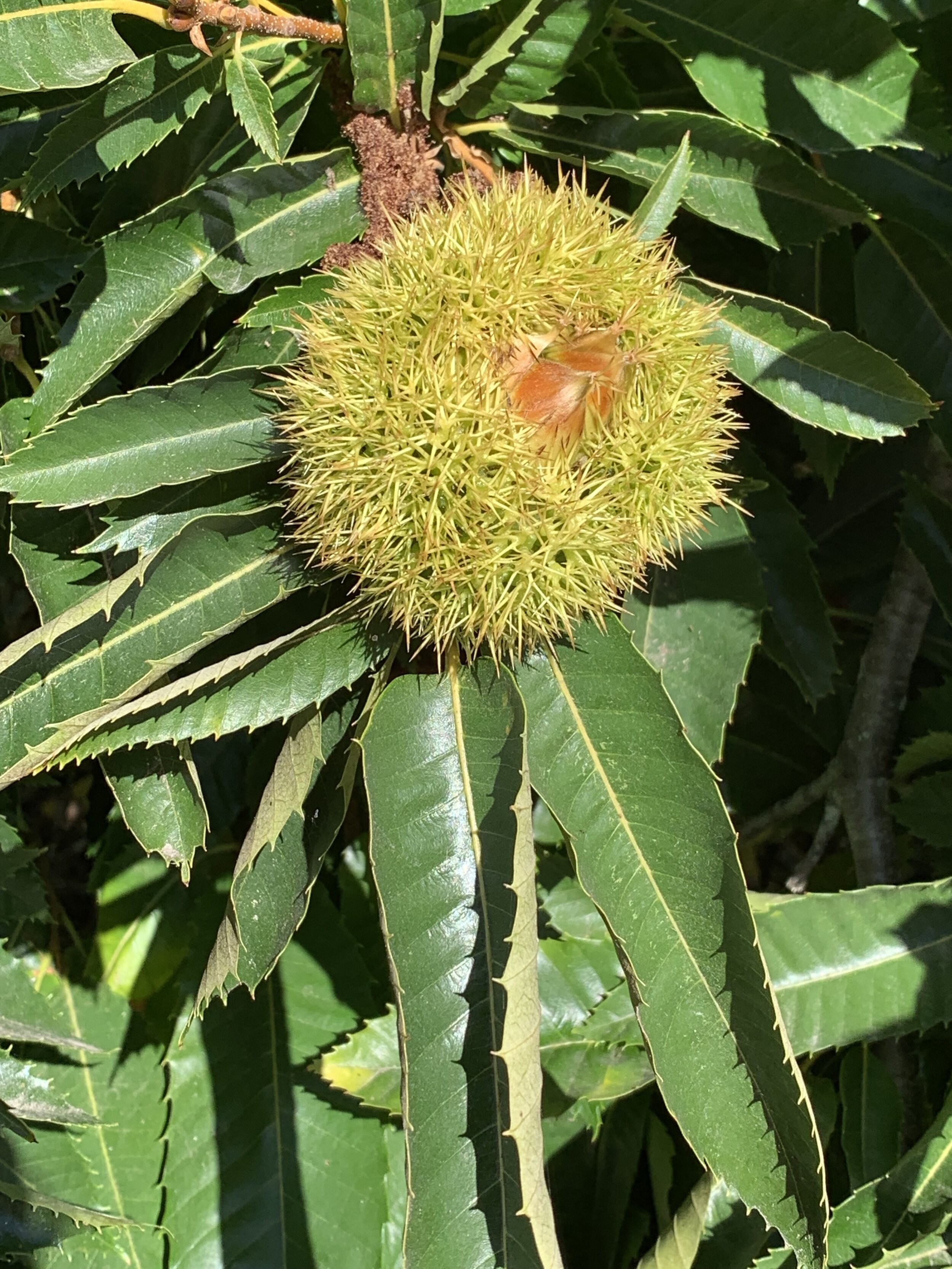
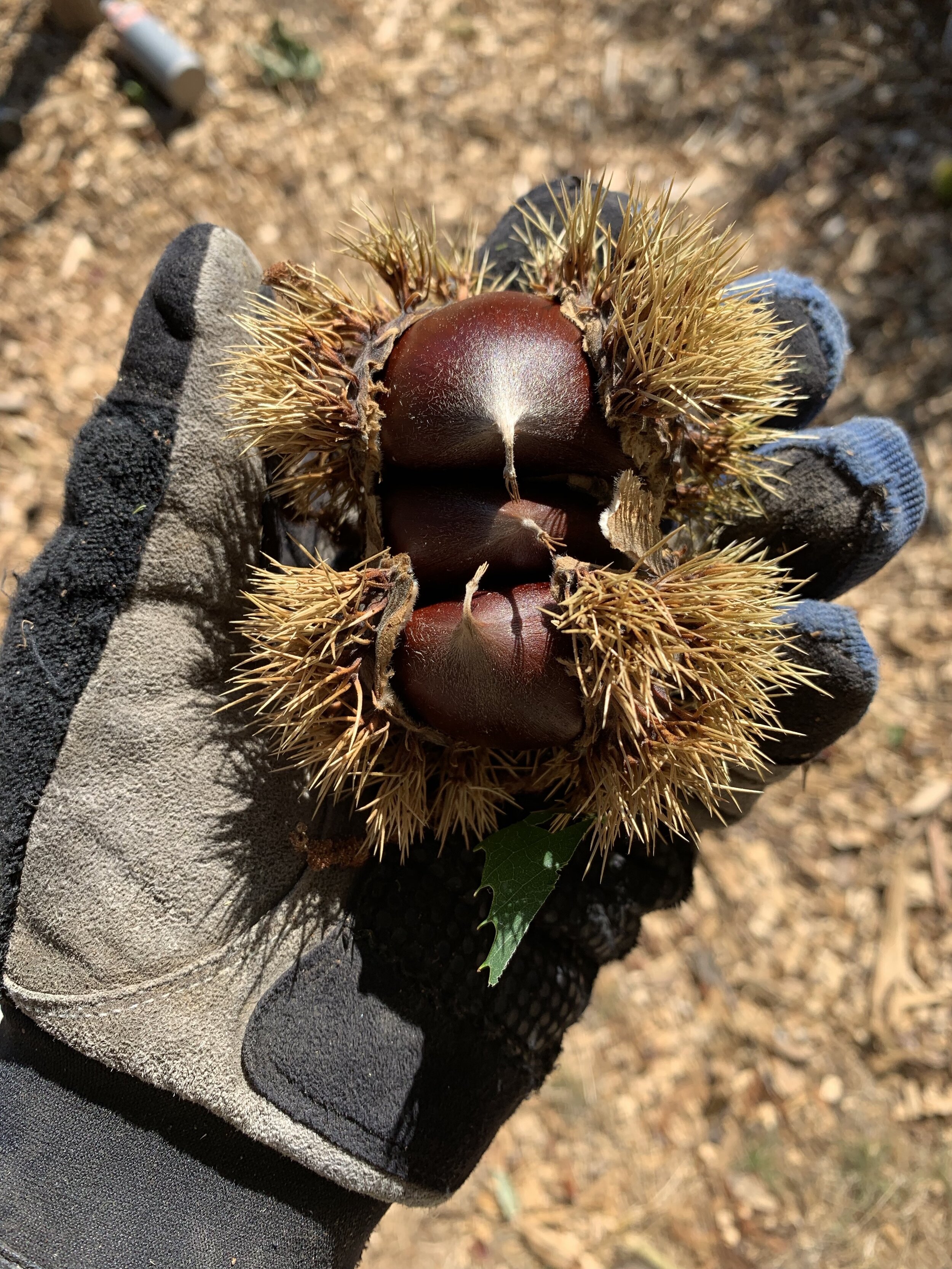
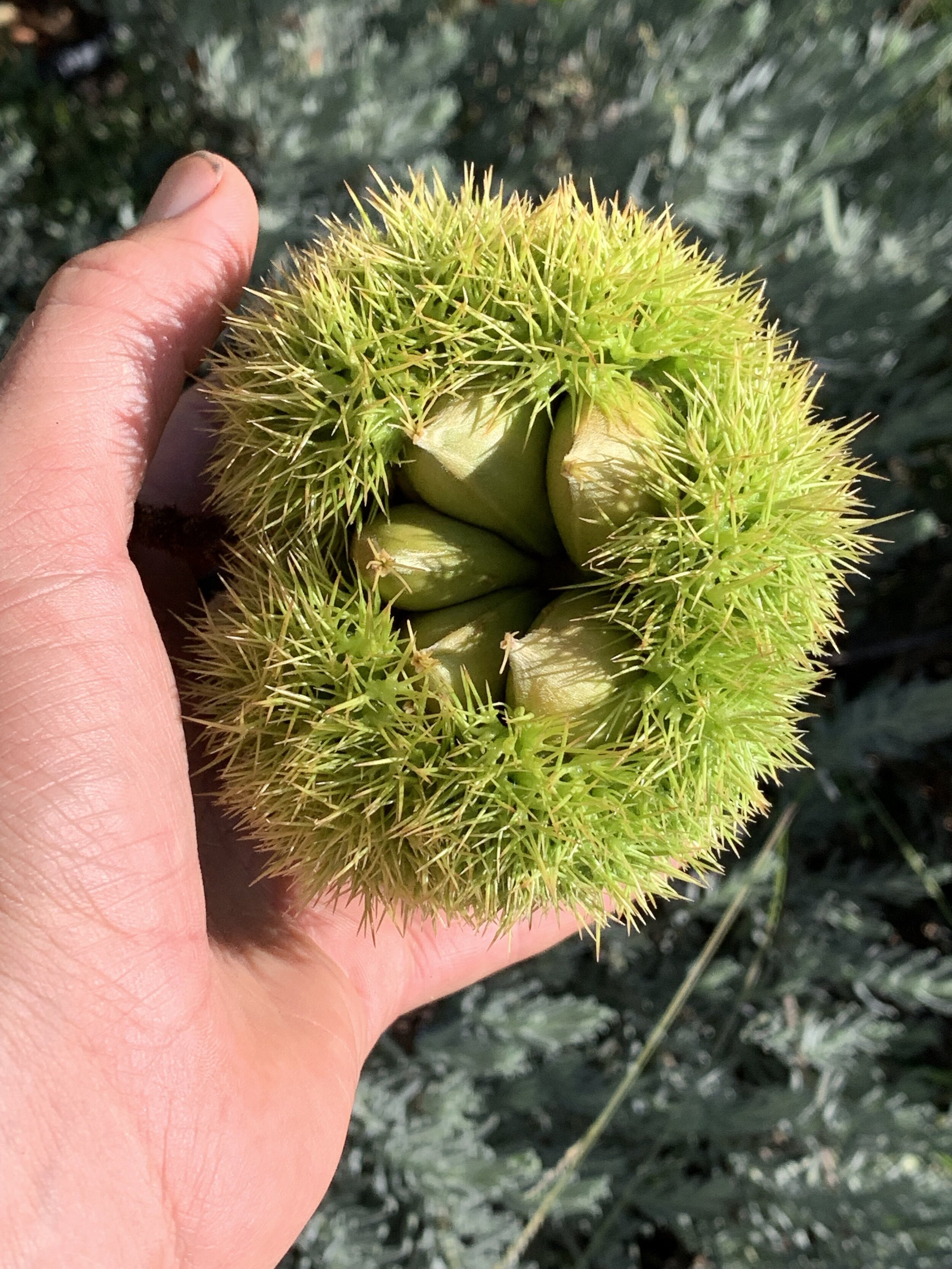
Poncirus trifoliata - Trifoliate orange
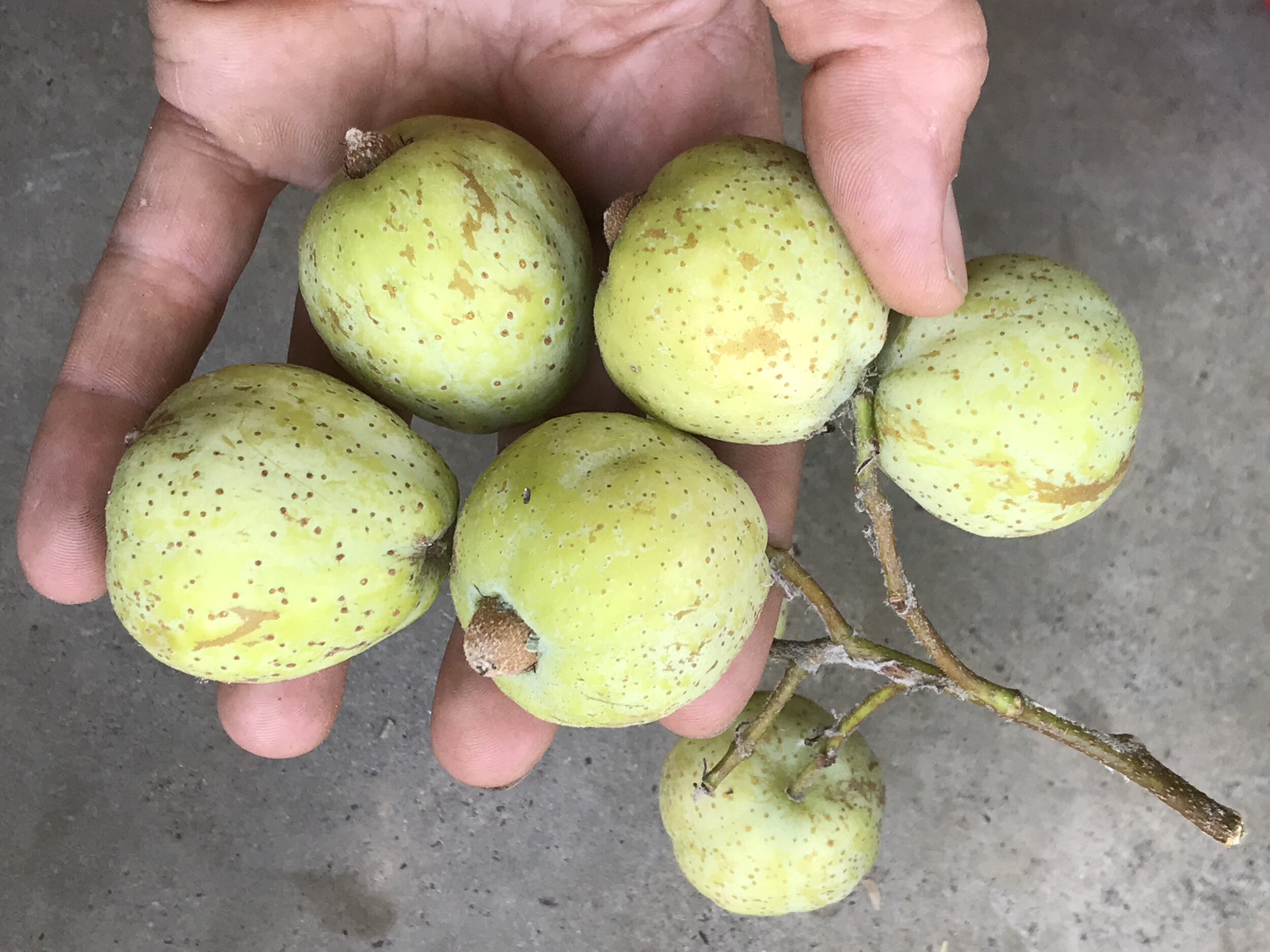
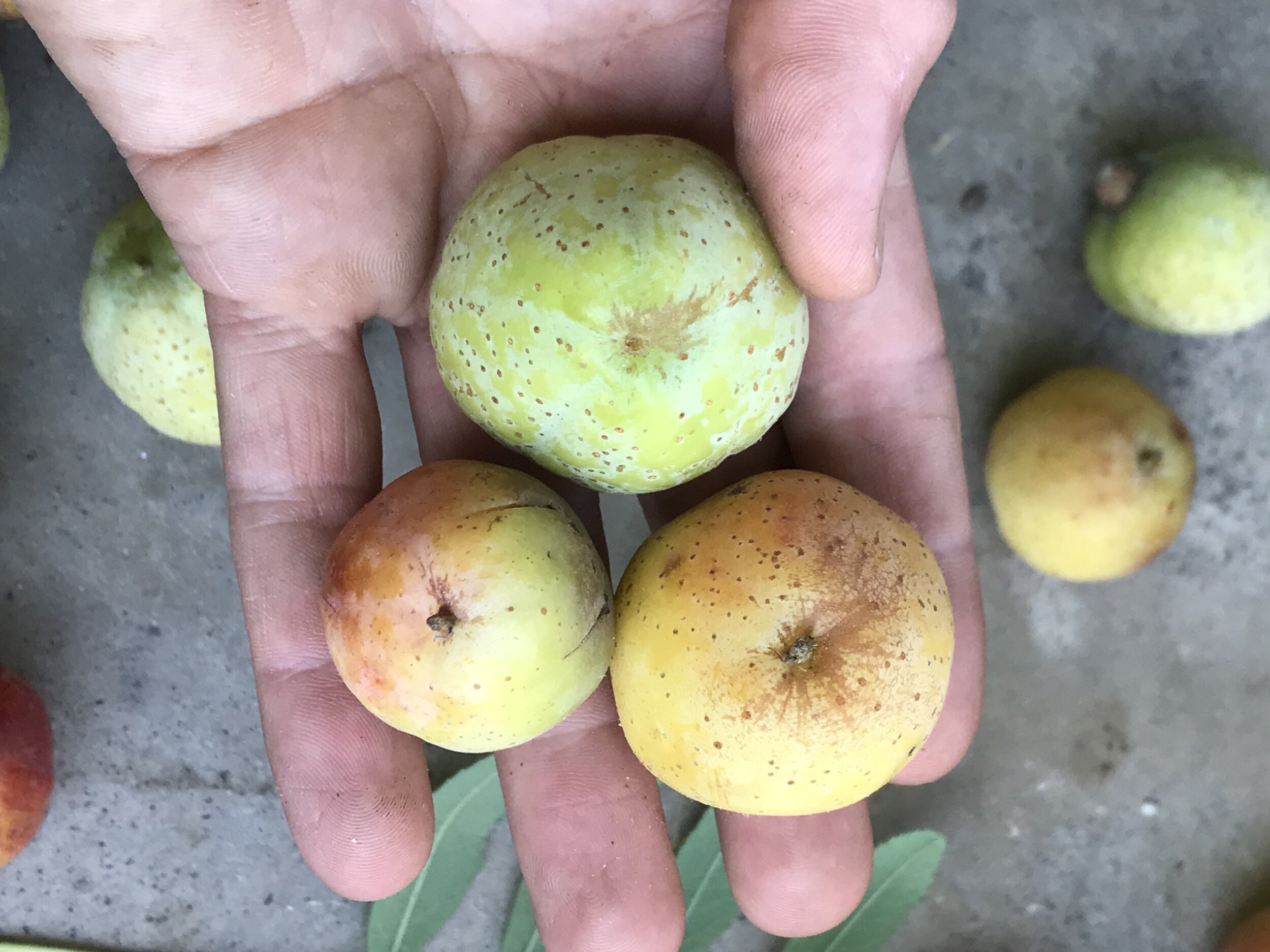
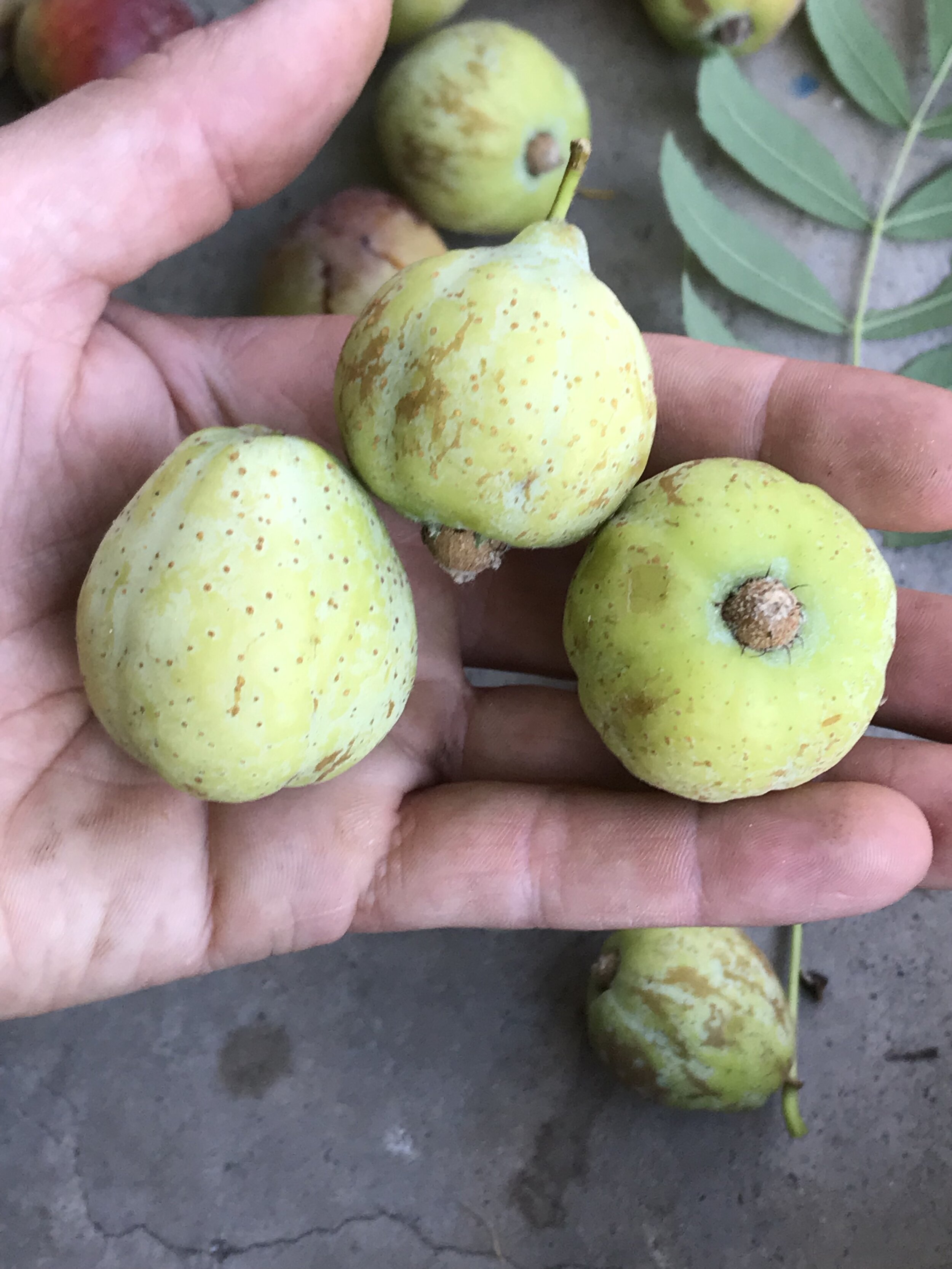
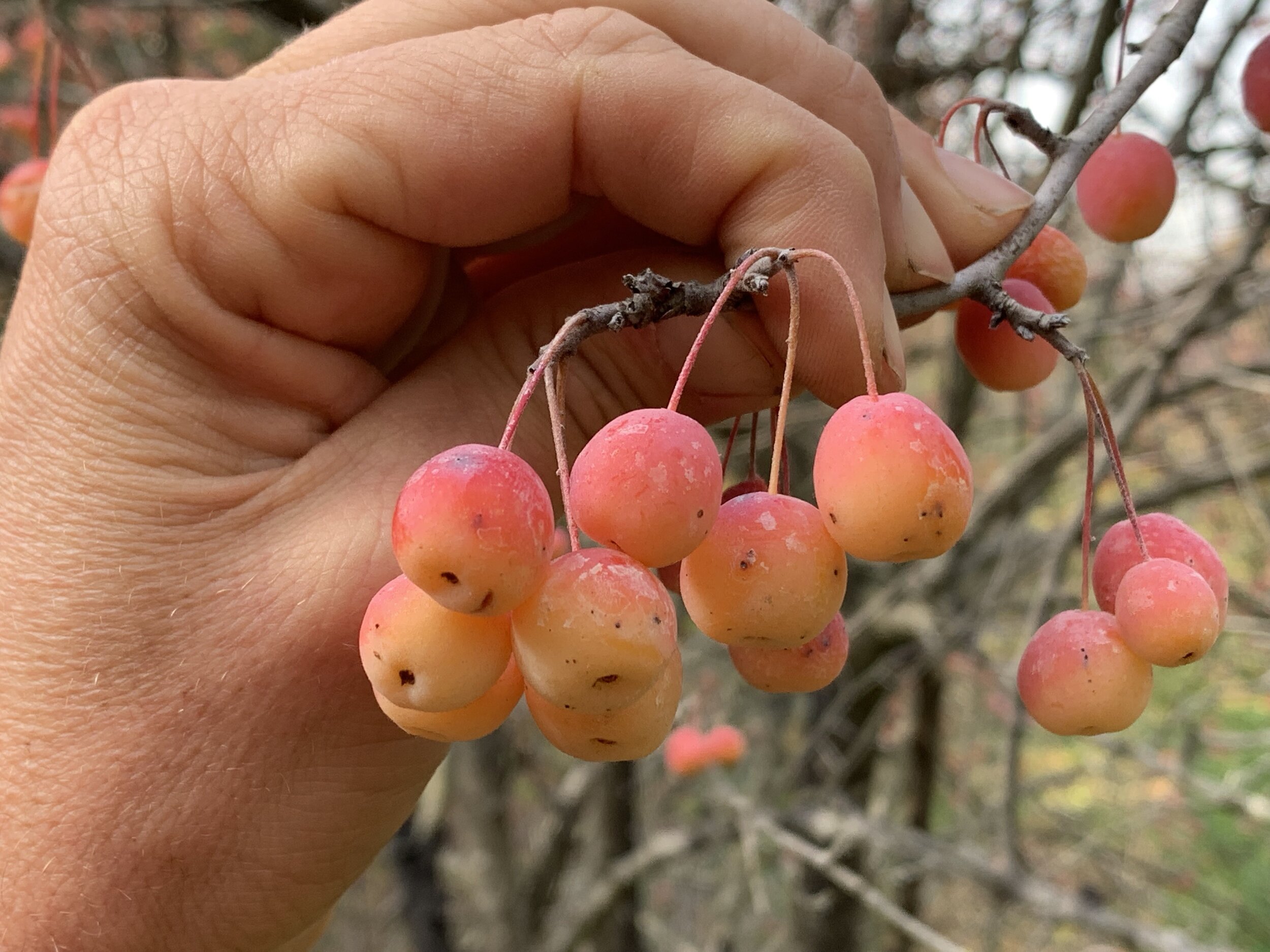
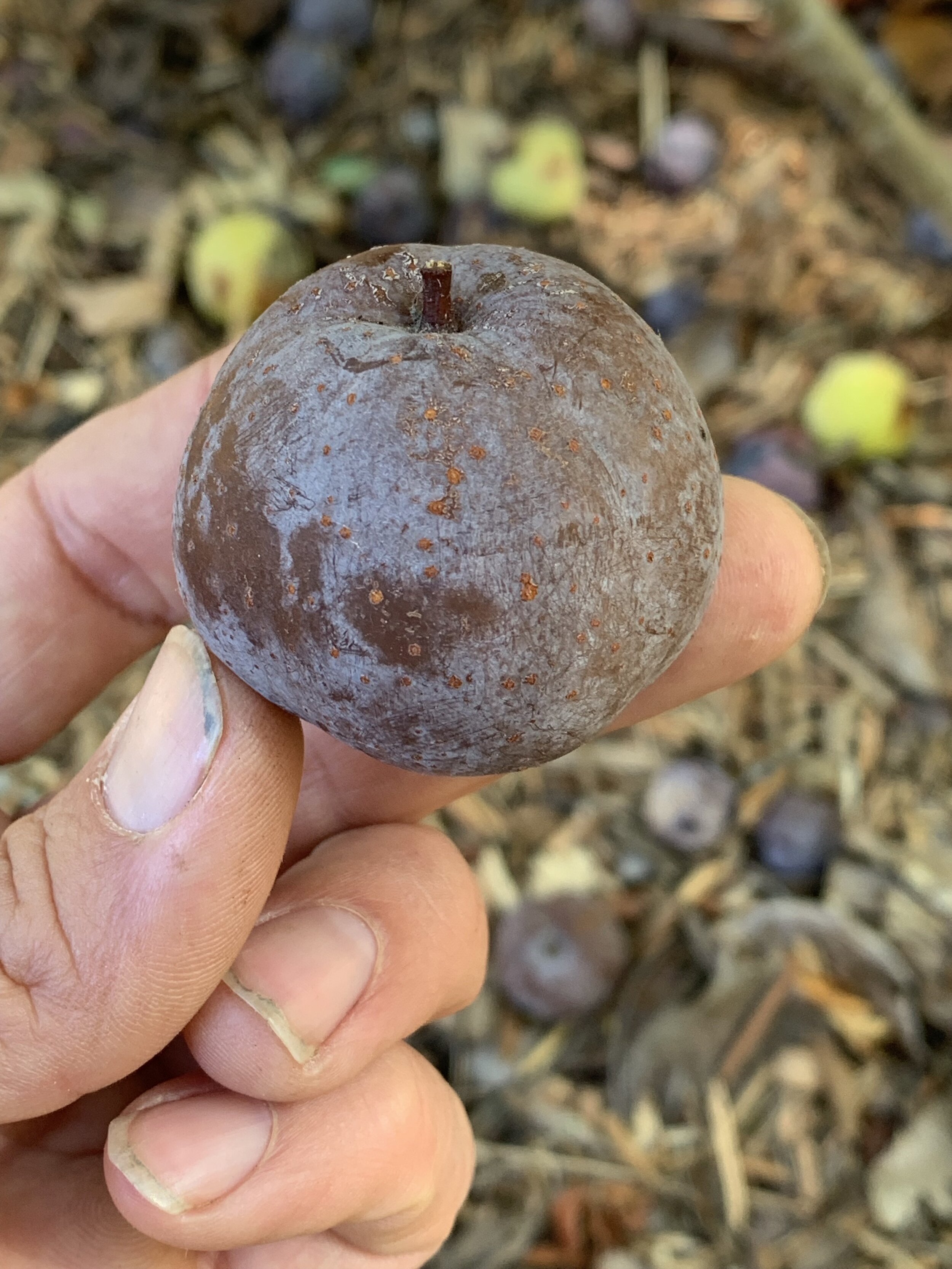
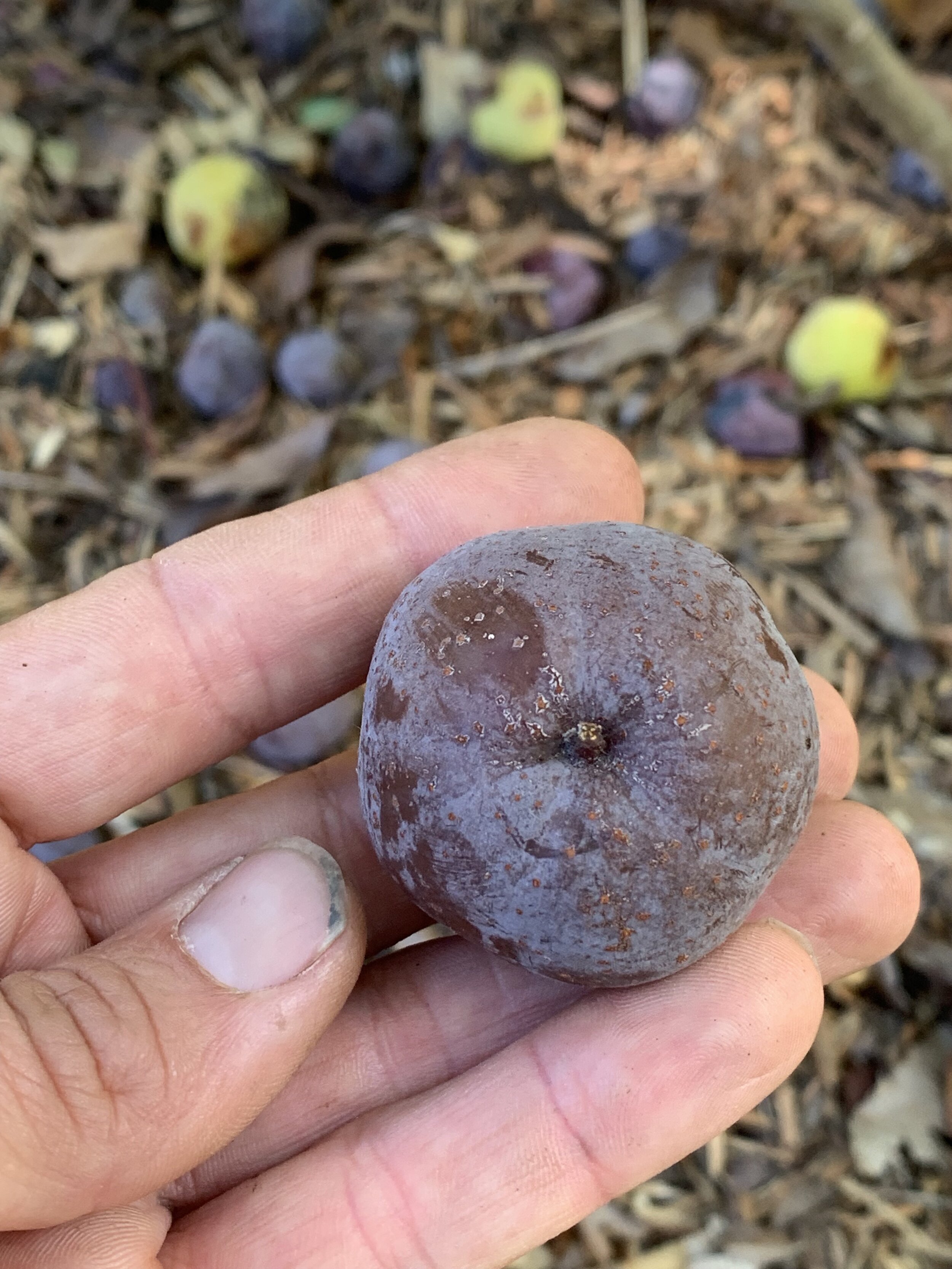
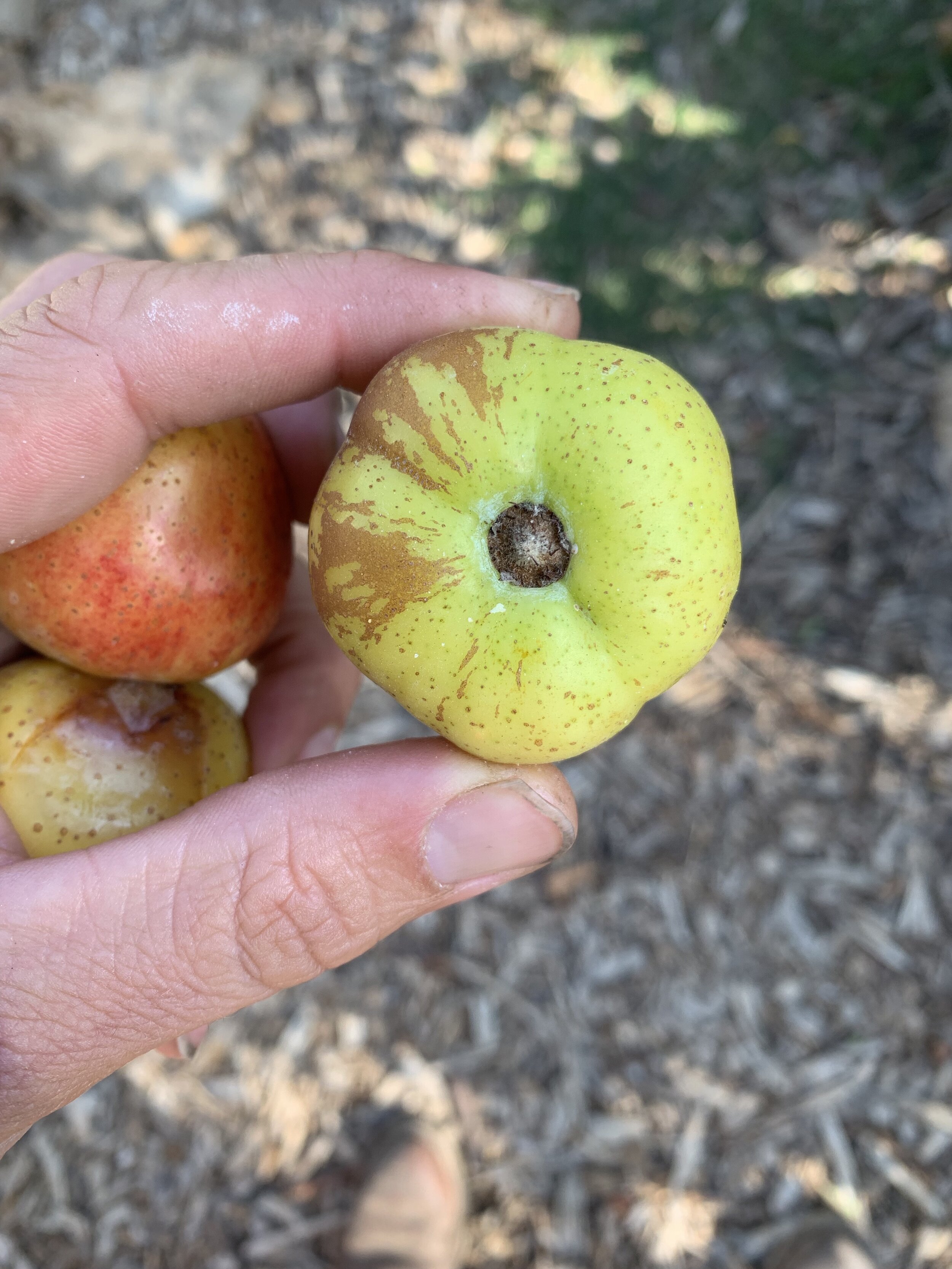
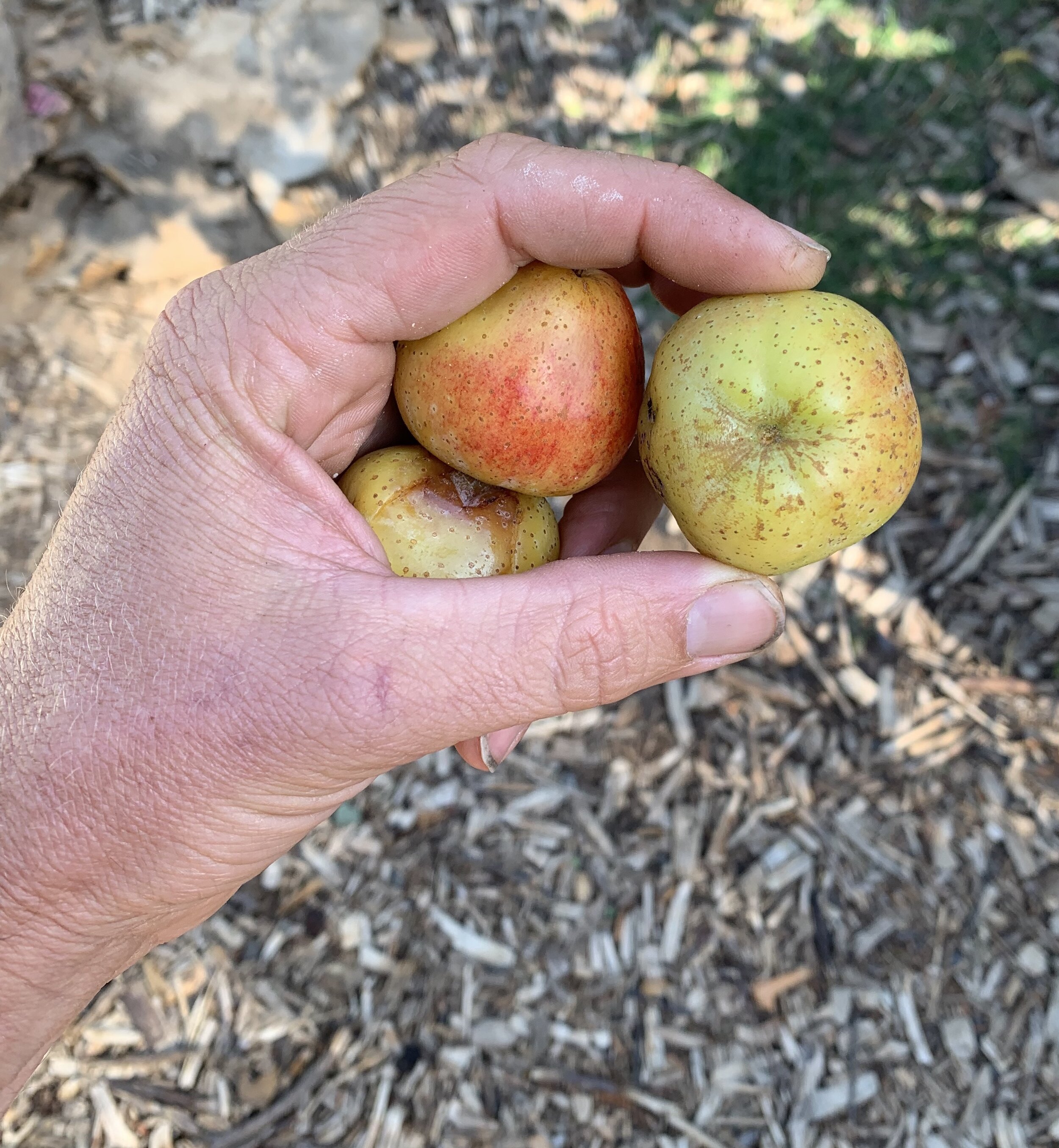
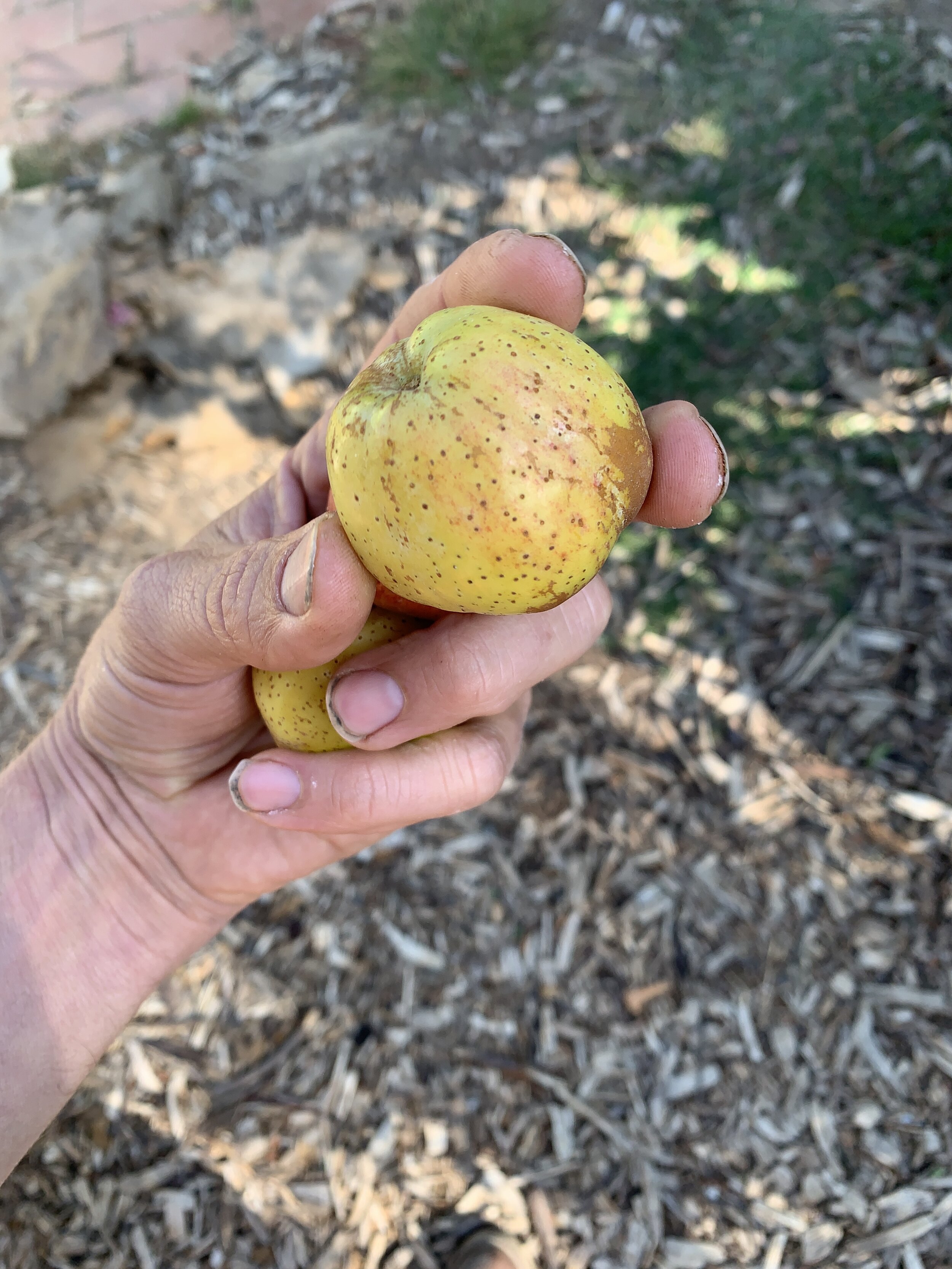
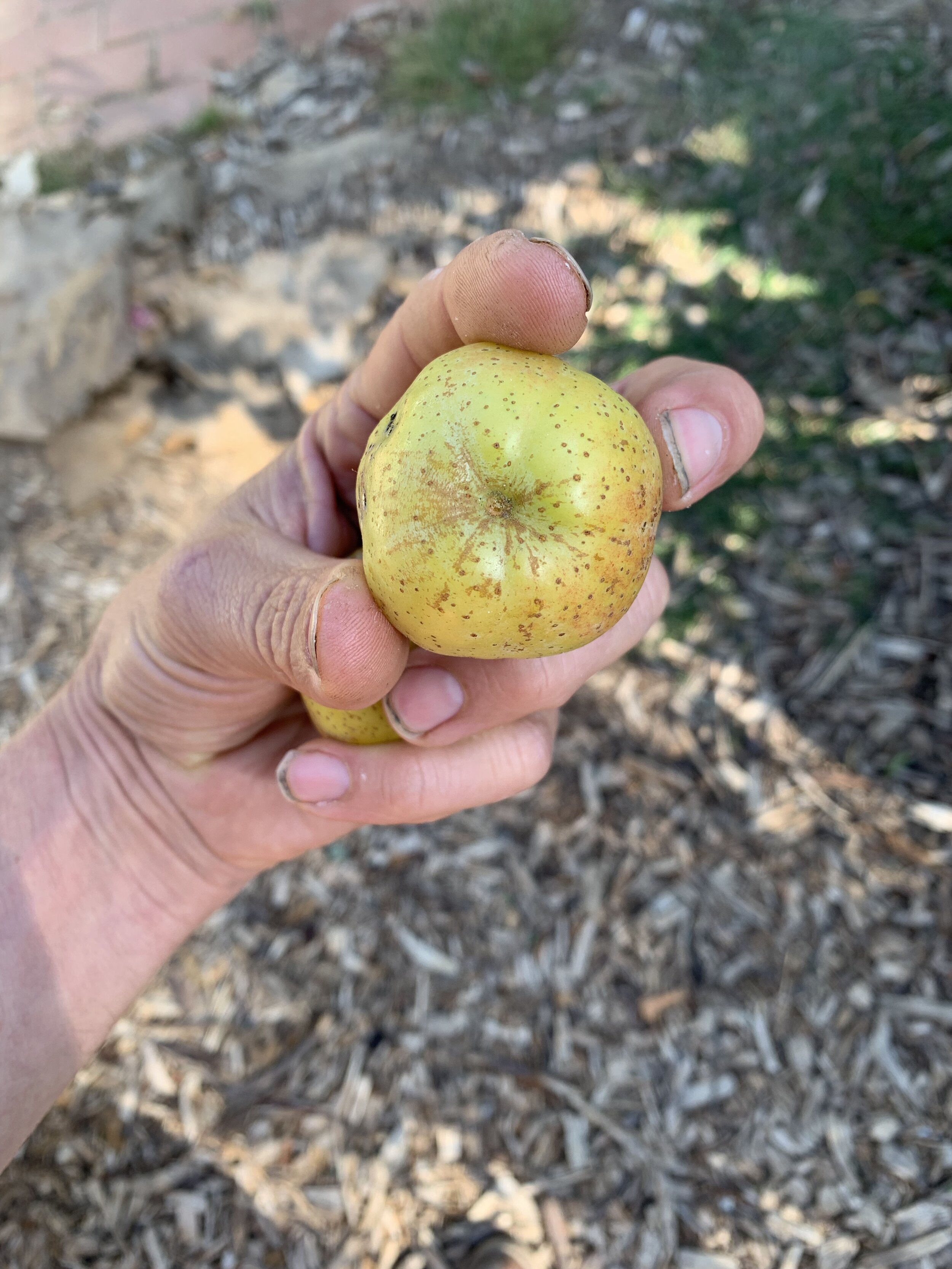
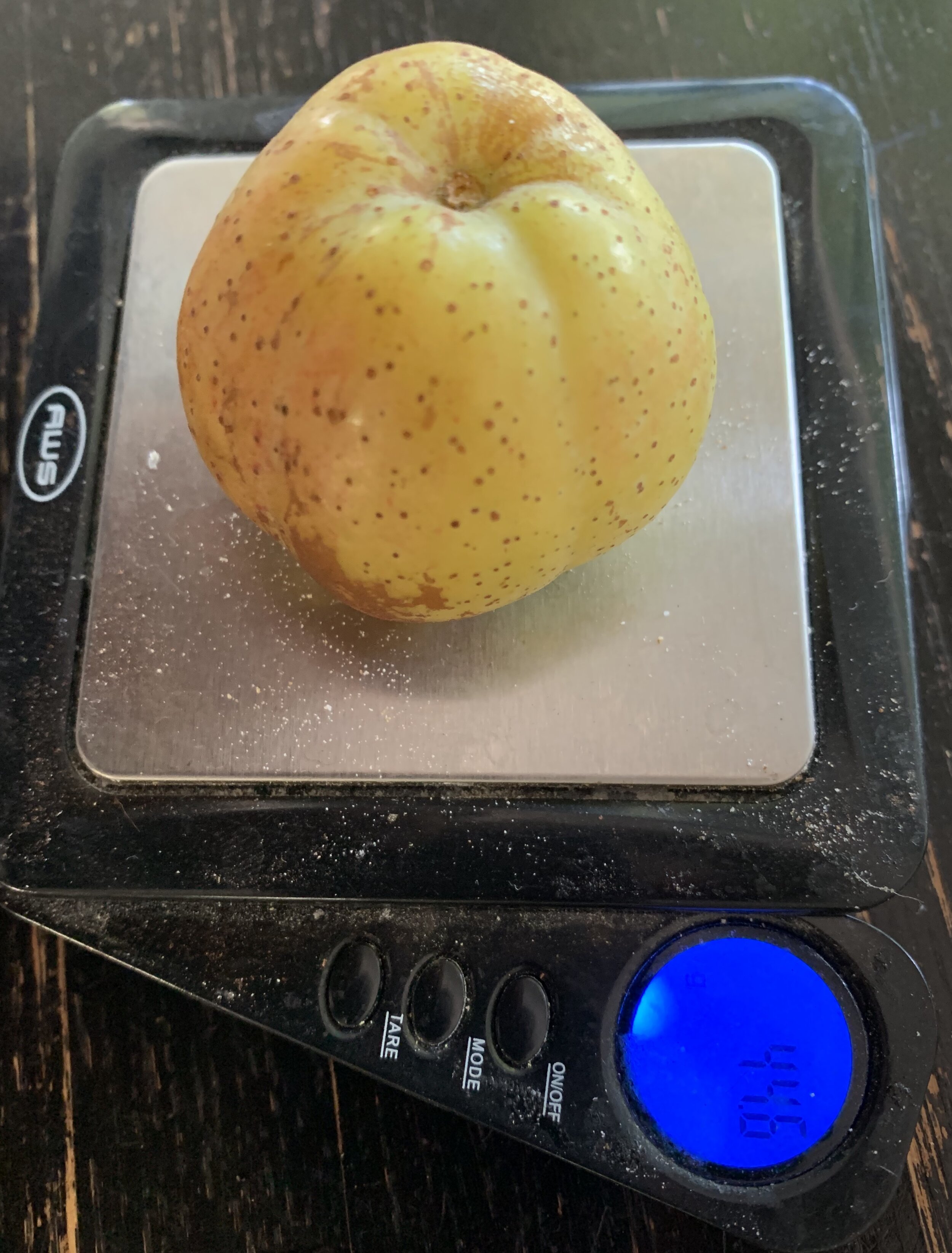
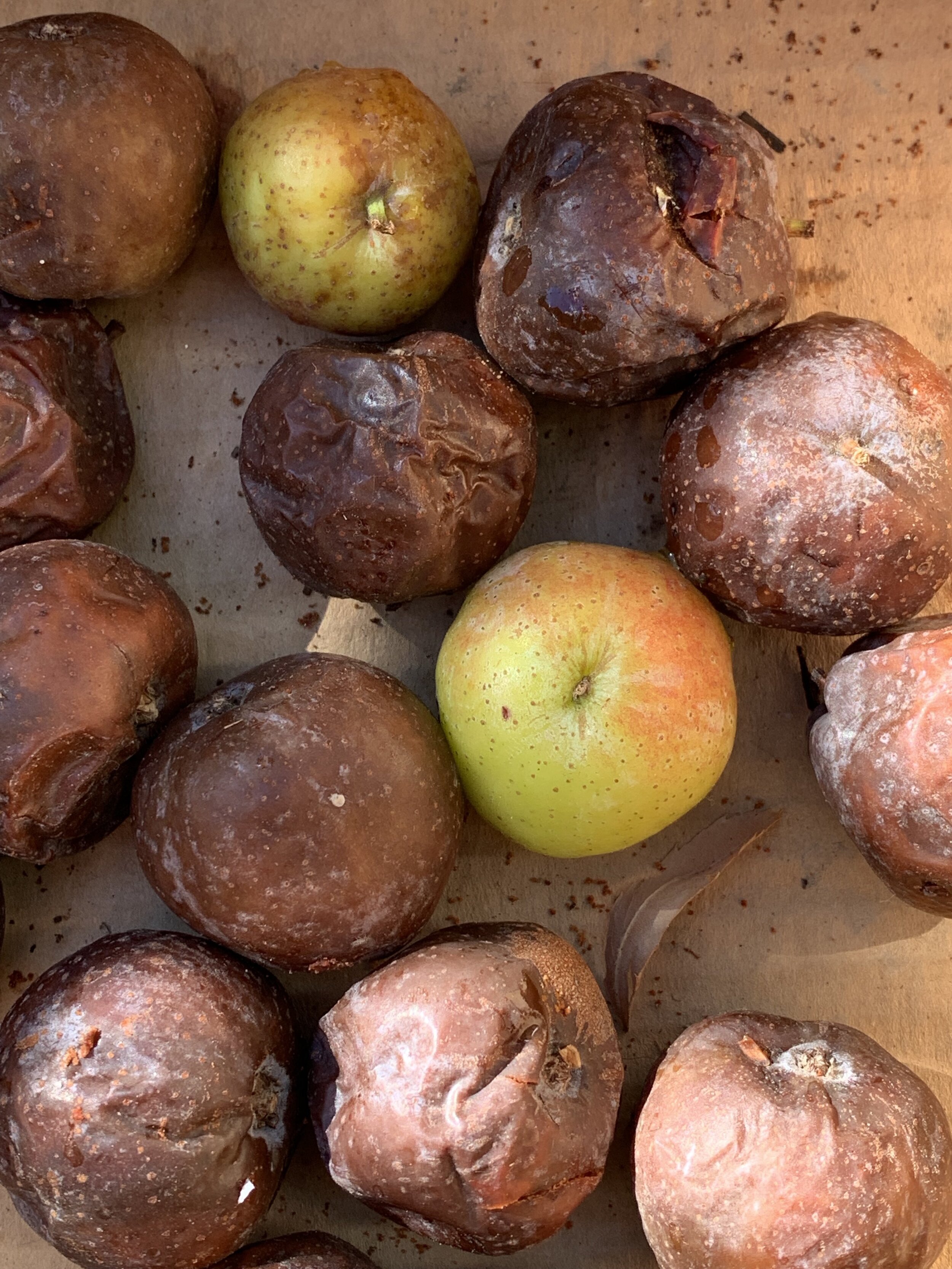
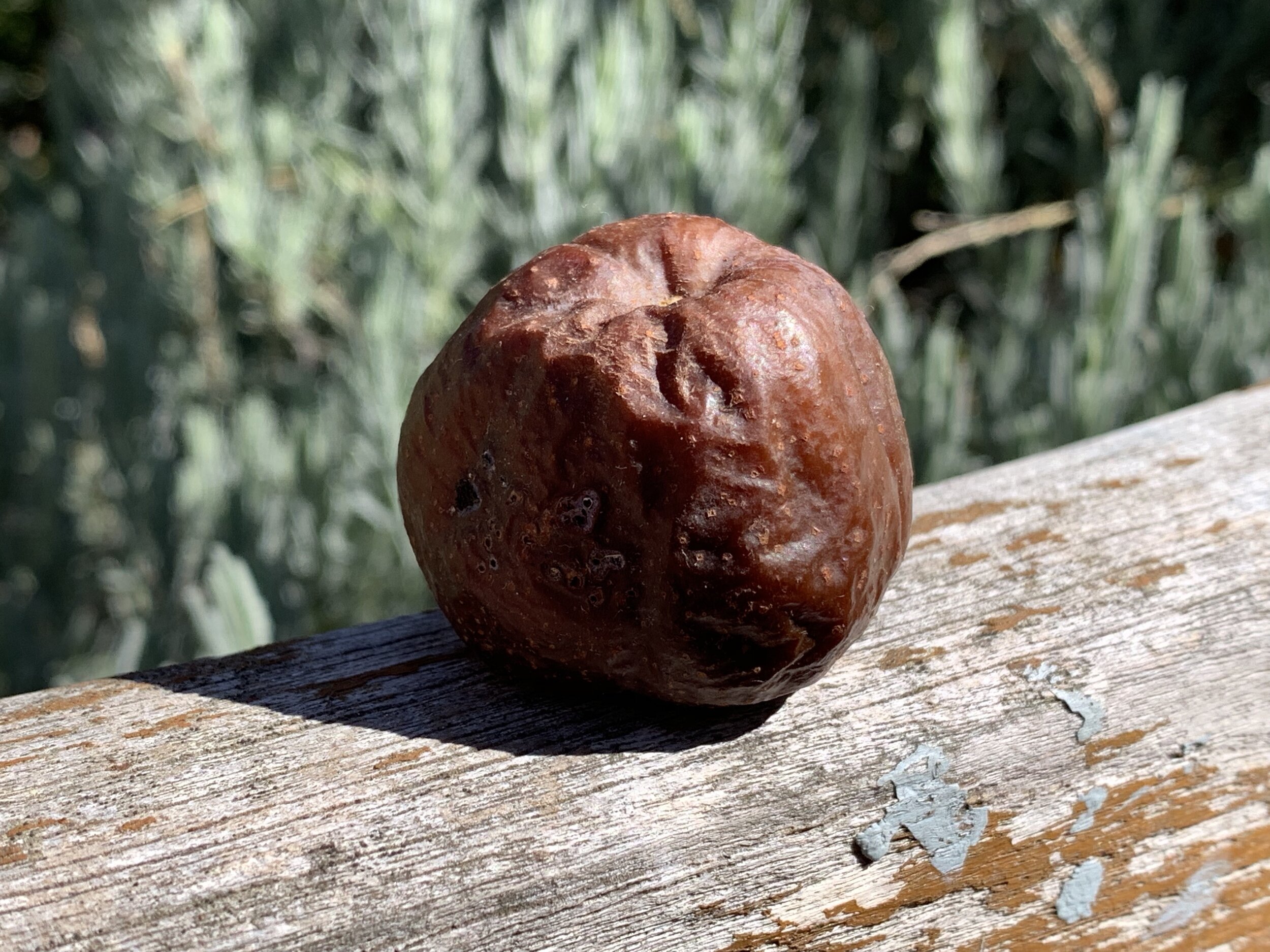
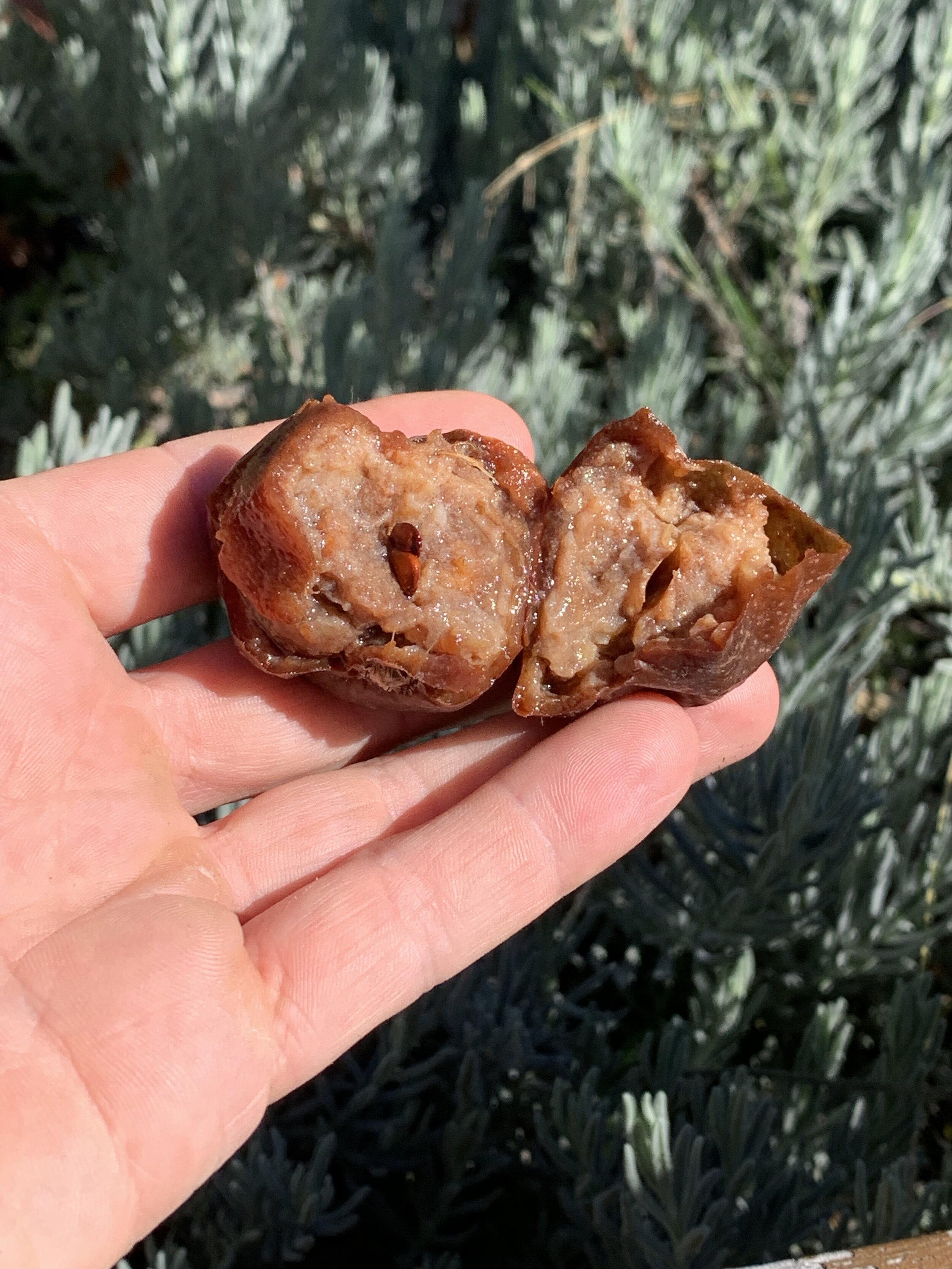
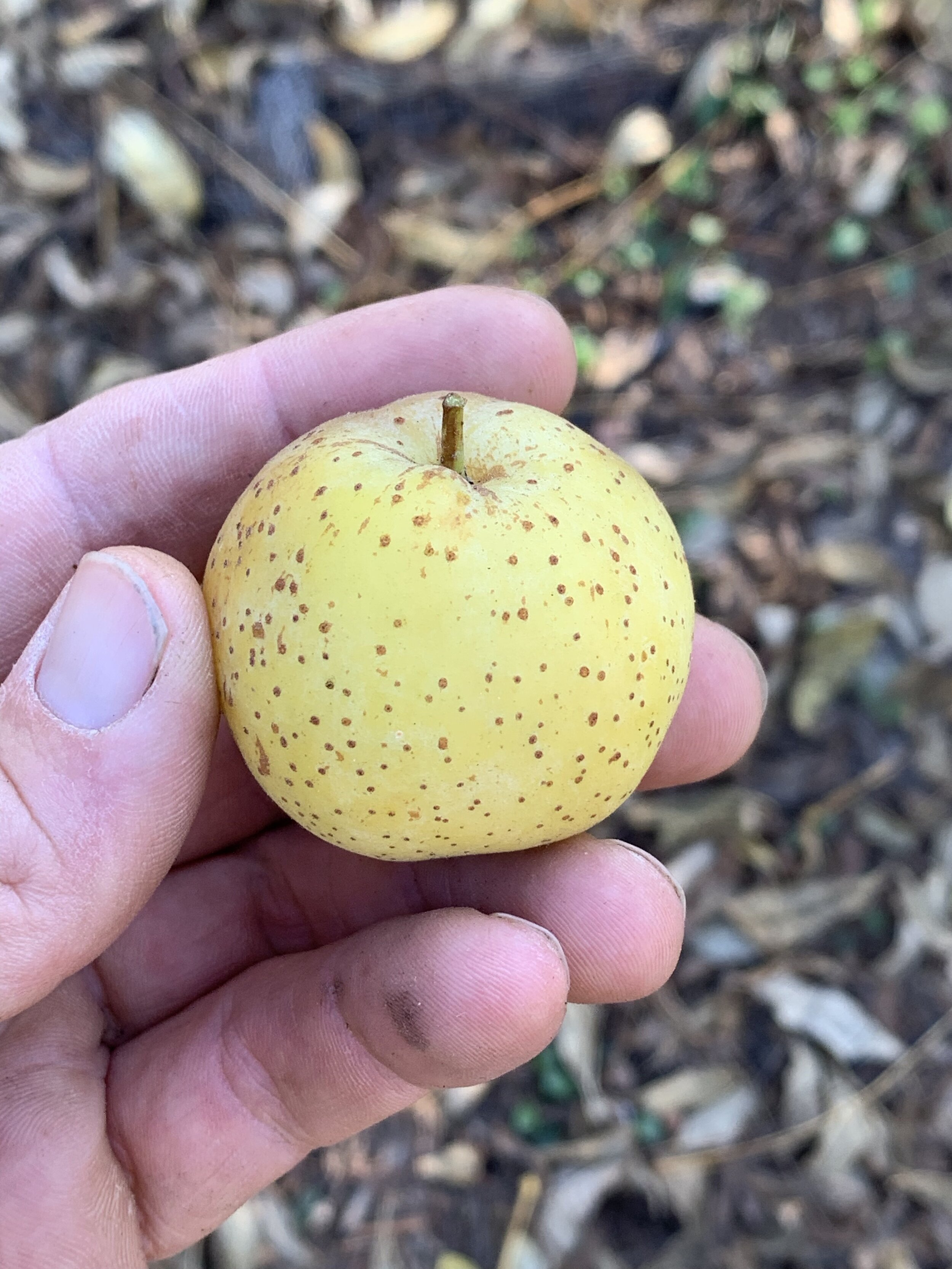
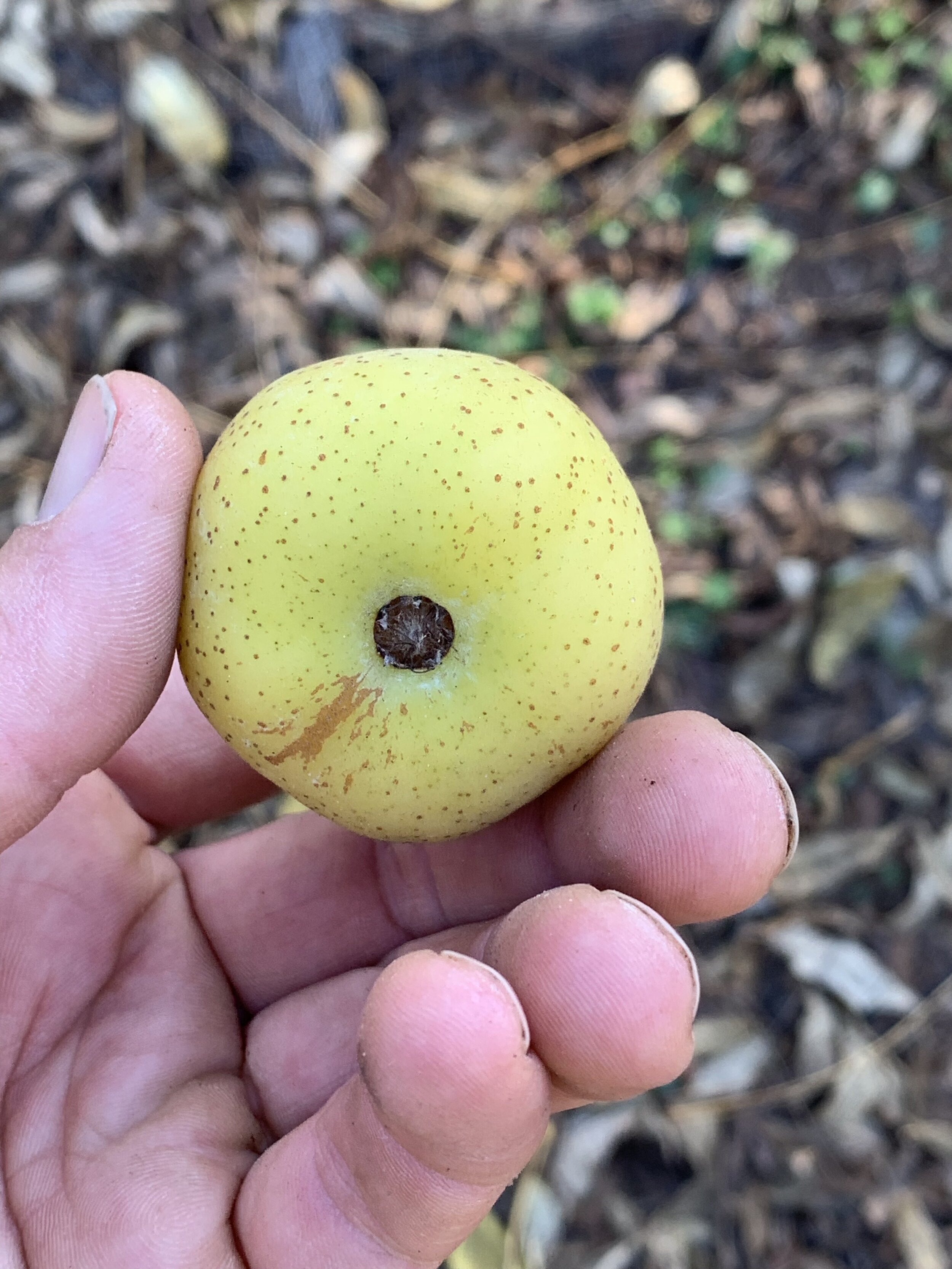
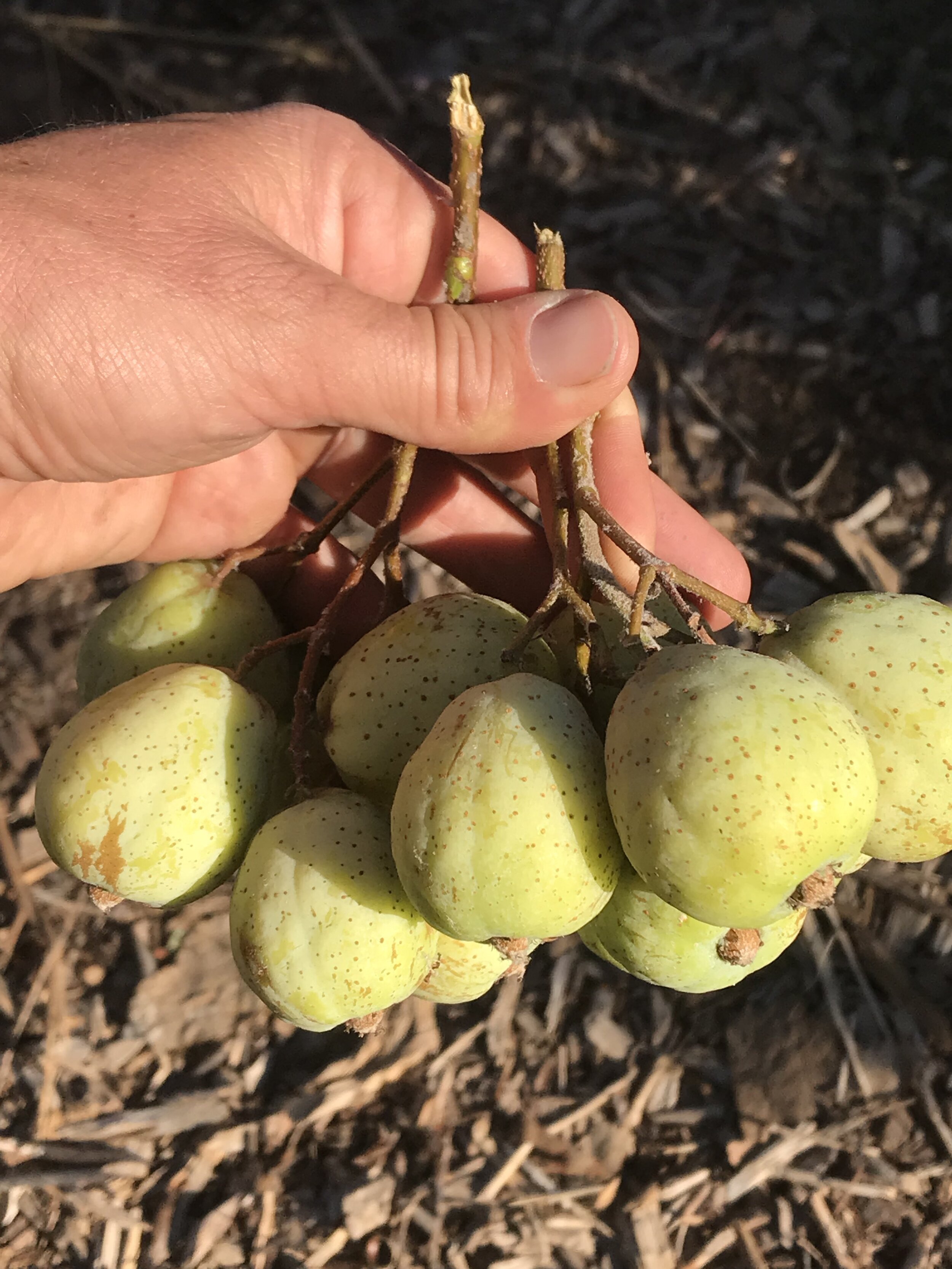
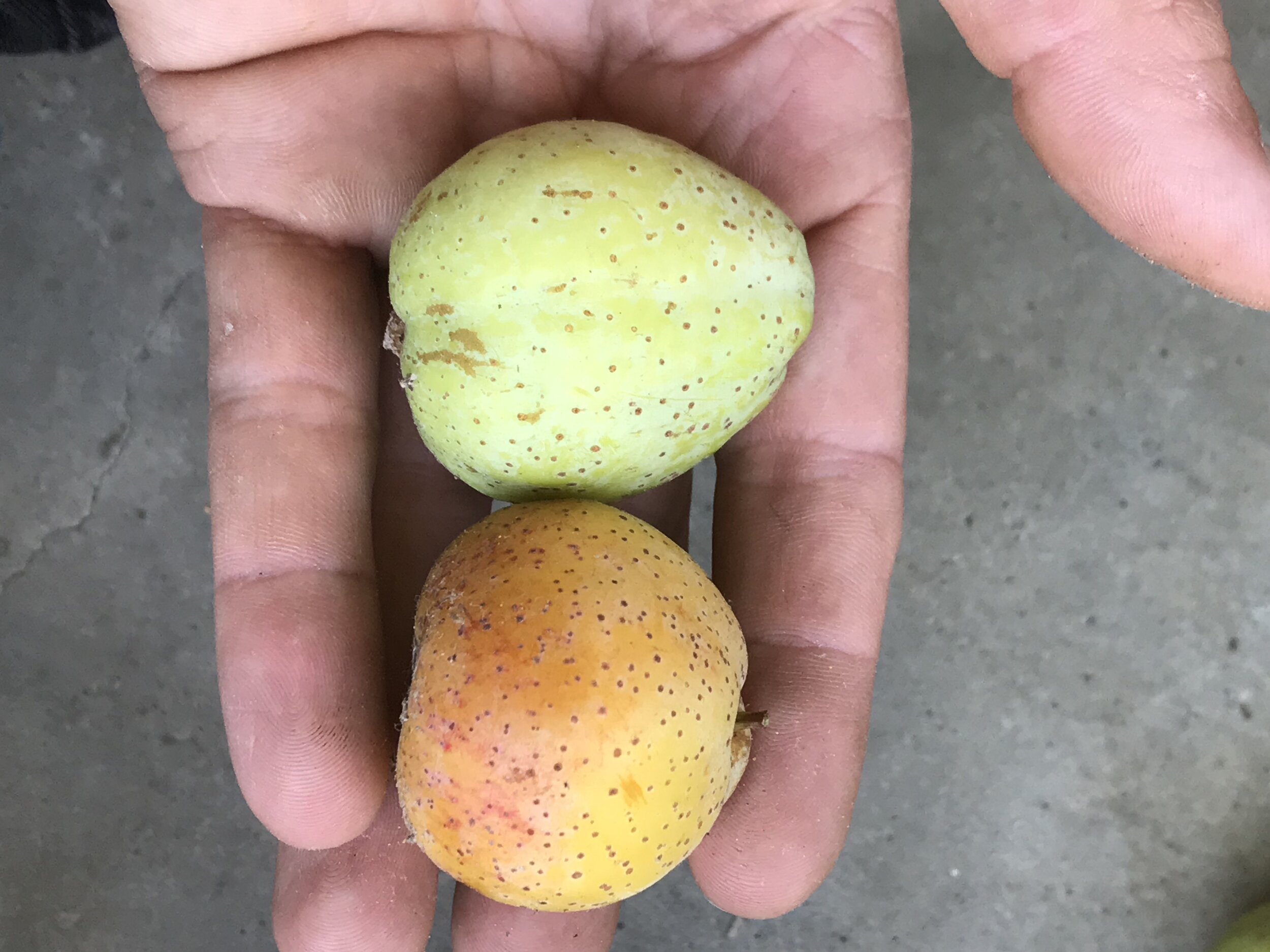
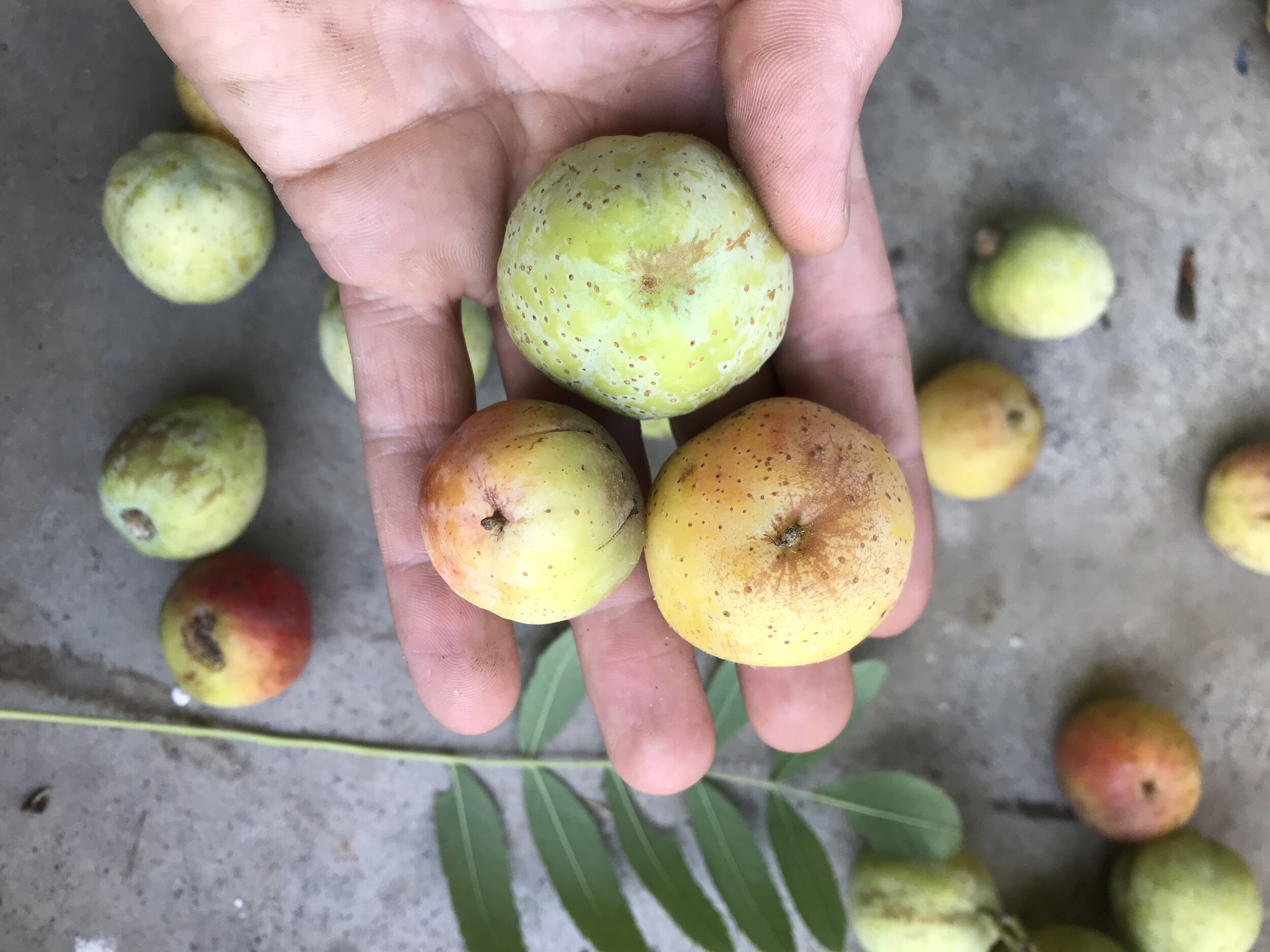
Genetic diversity among Burbank Sorbus domestica seedlings. -Fall 2019.
Some of the diversity among the seedling Sorbus domestica selections found at Luther Burbank’s former experimental farm. Even in Europe it is rare to find Sorbus domestica fruit this large.
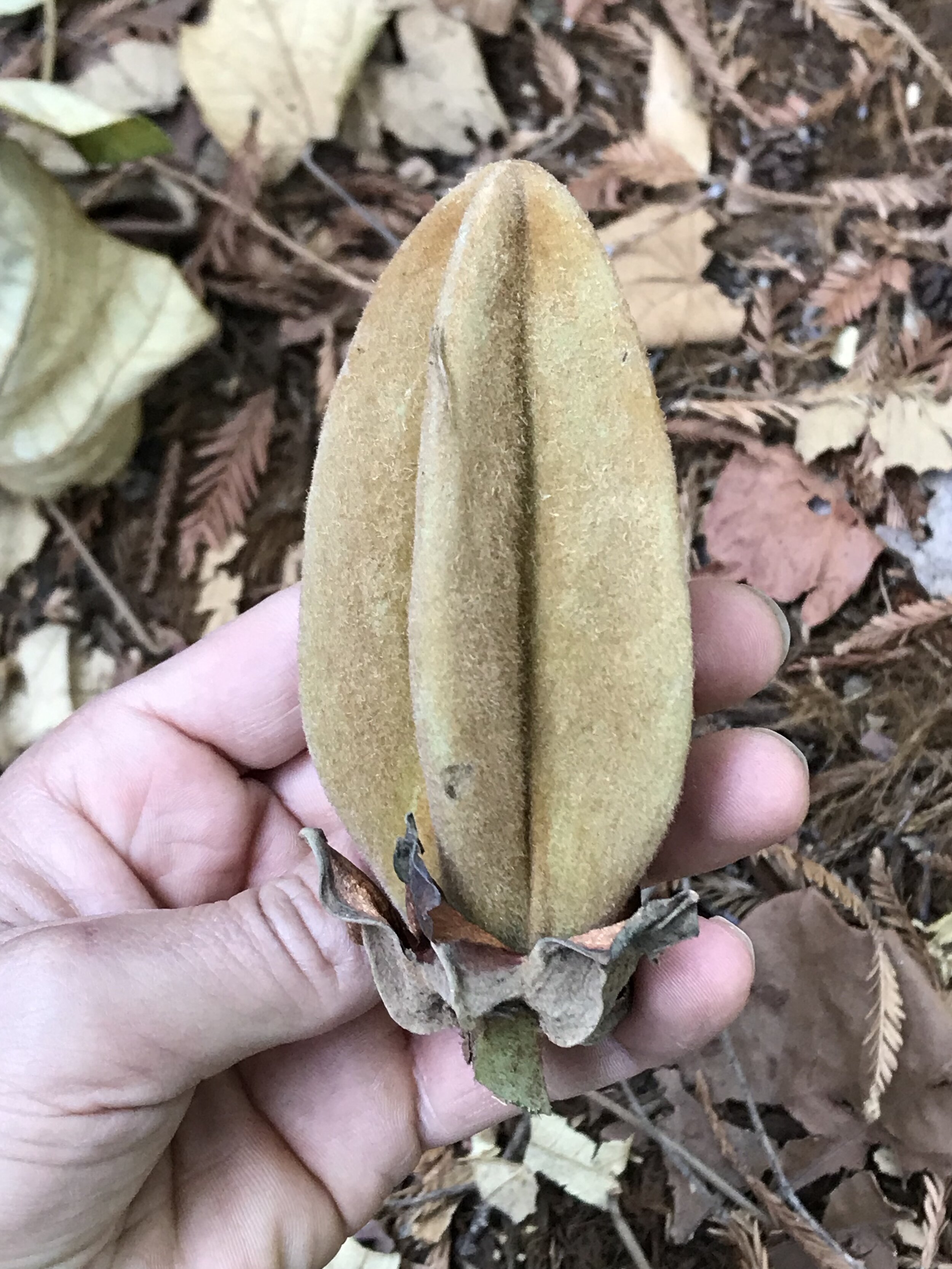
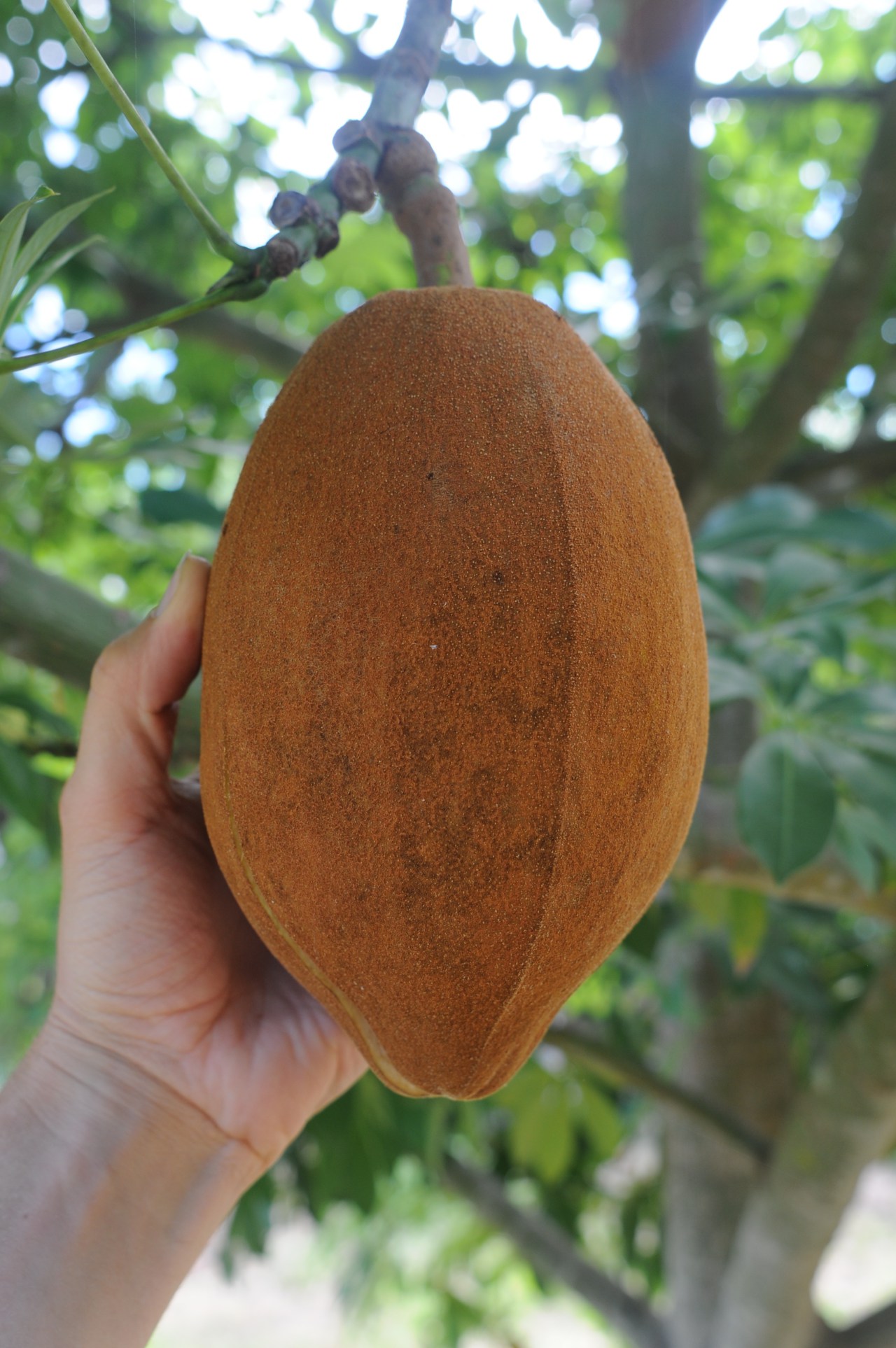
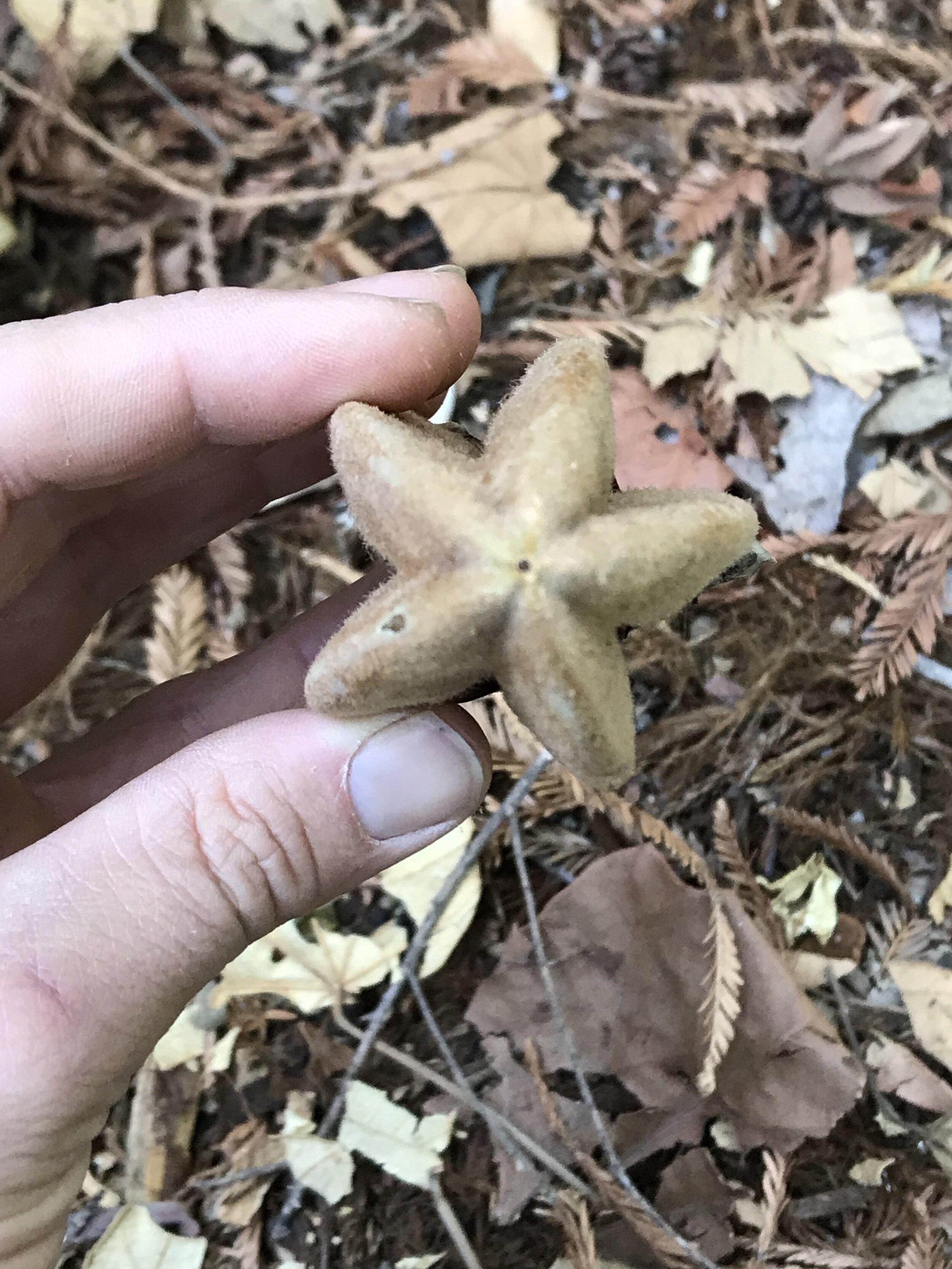
Chiranthodendron pentadactylon almost ripe fruit / seedpod
The first seedpods are developing on a five year old Chiranthodendron pentadactylon tree I grew from seed.
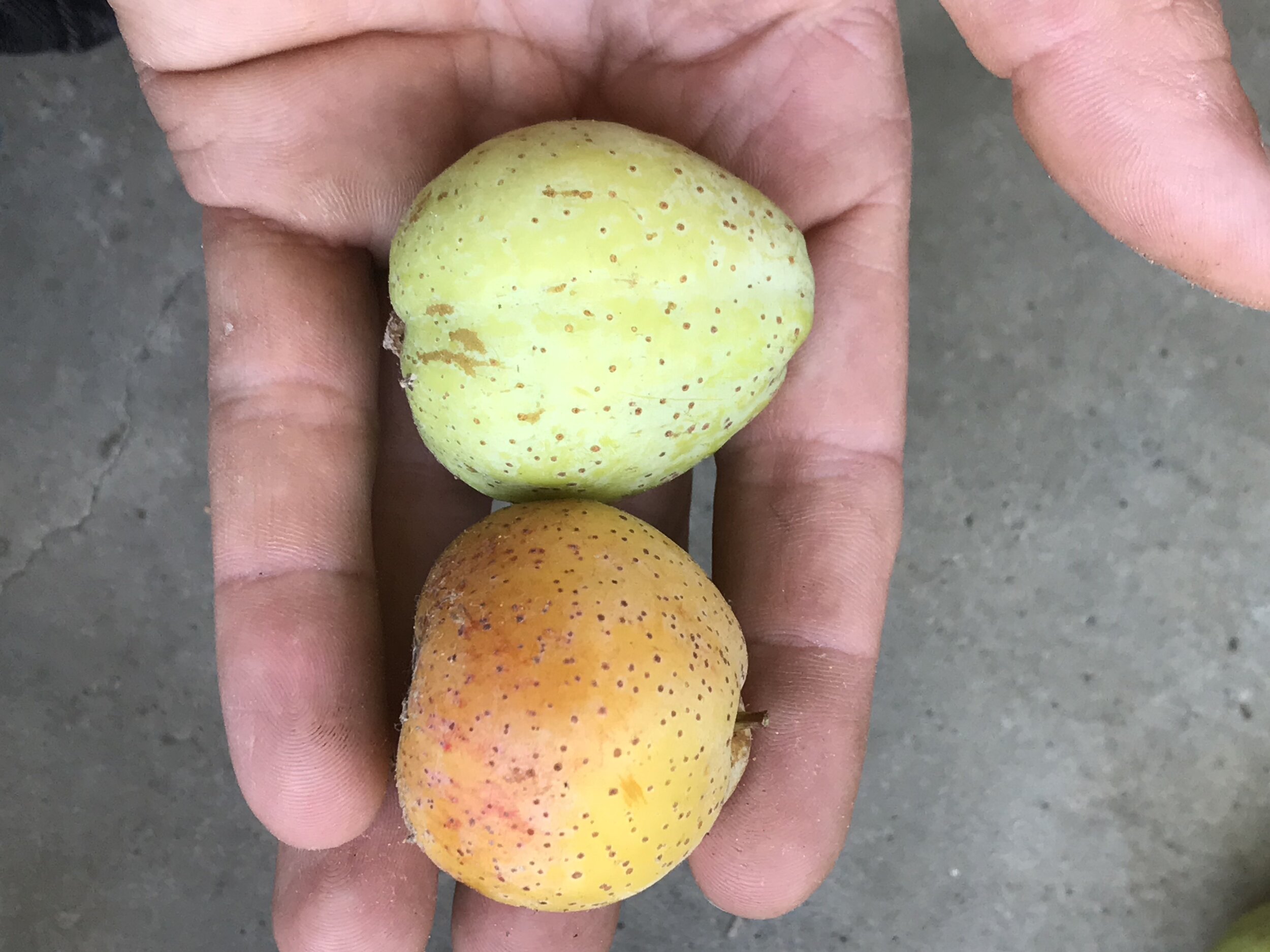
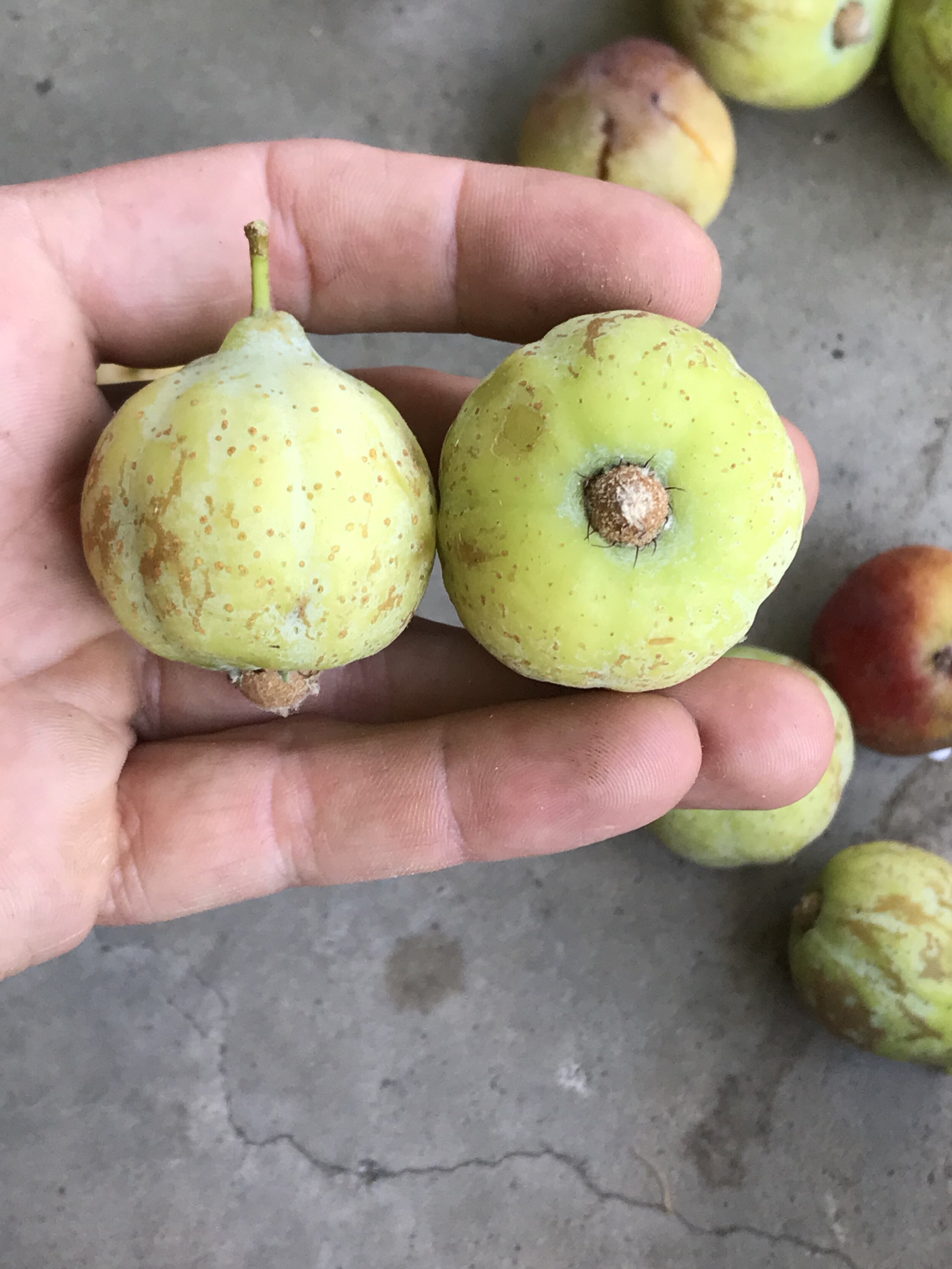
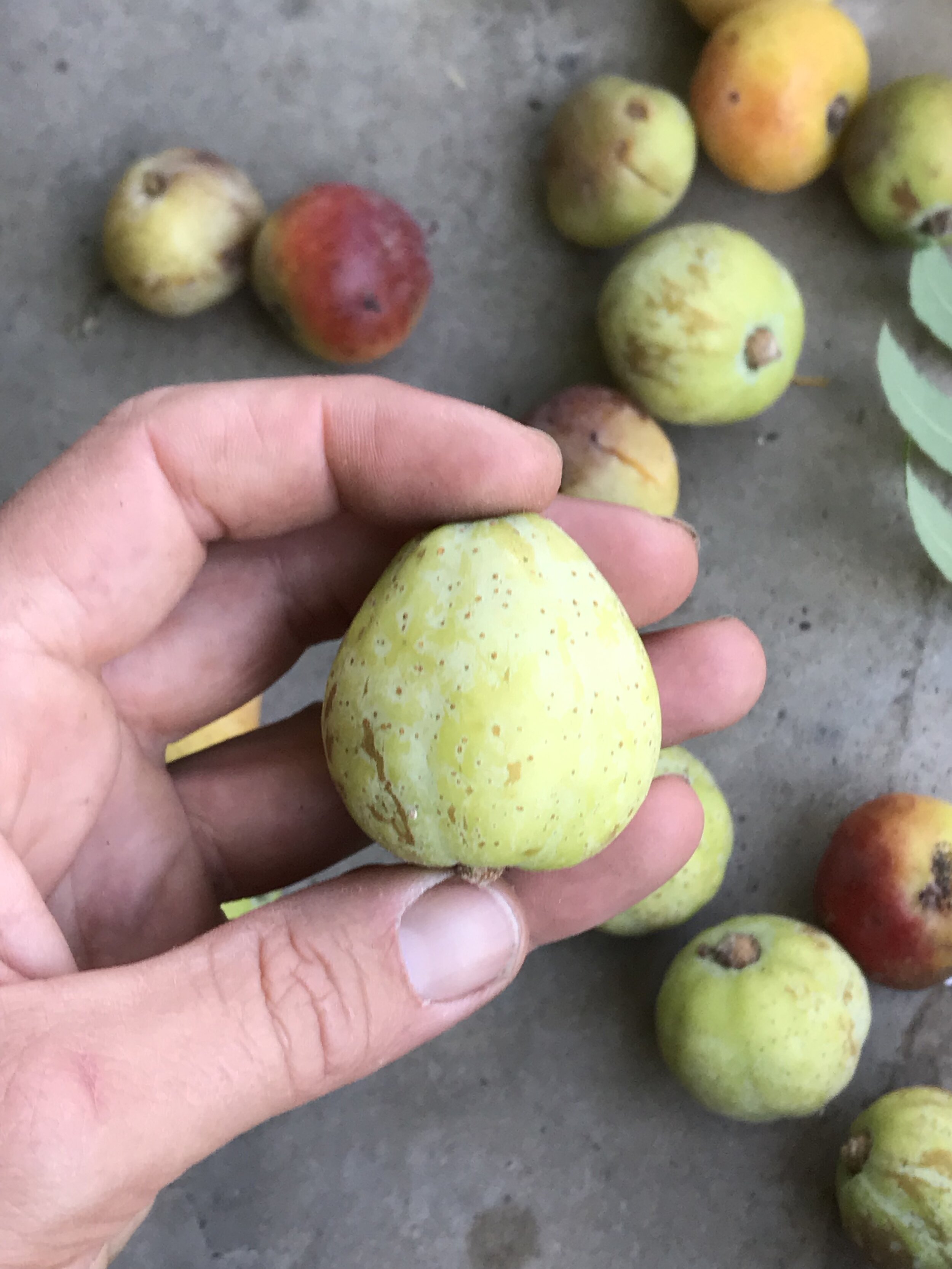
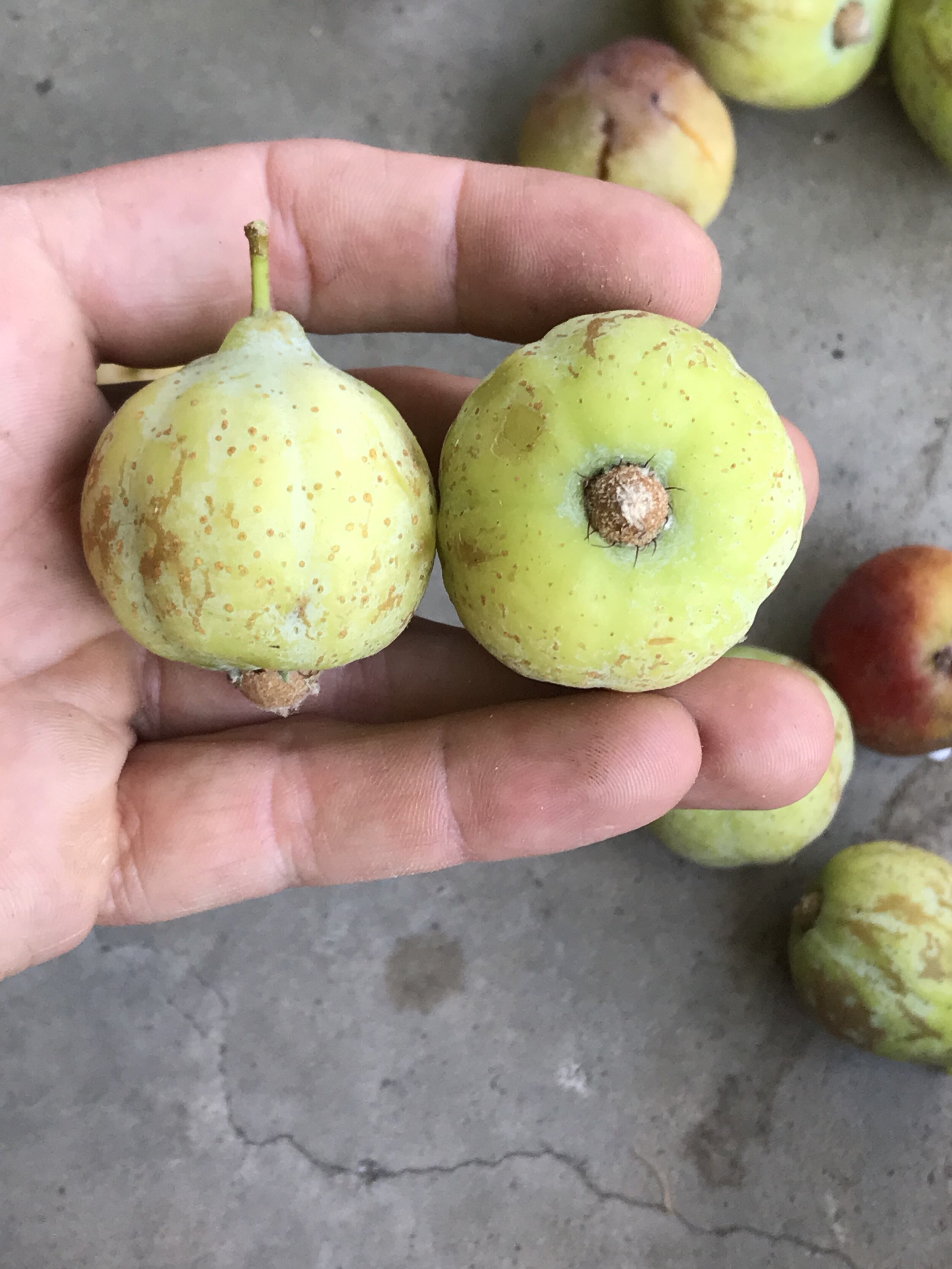
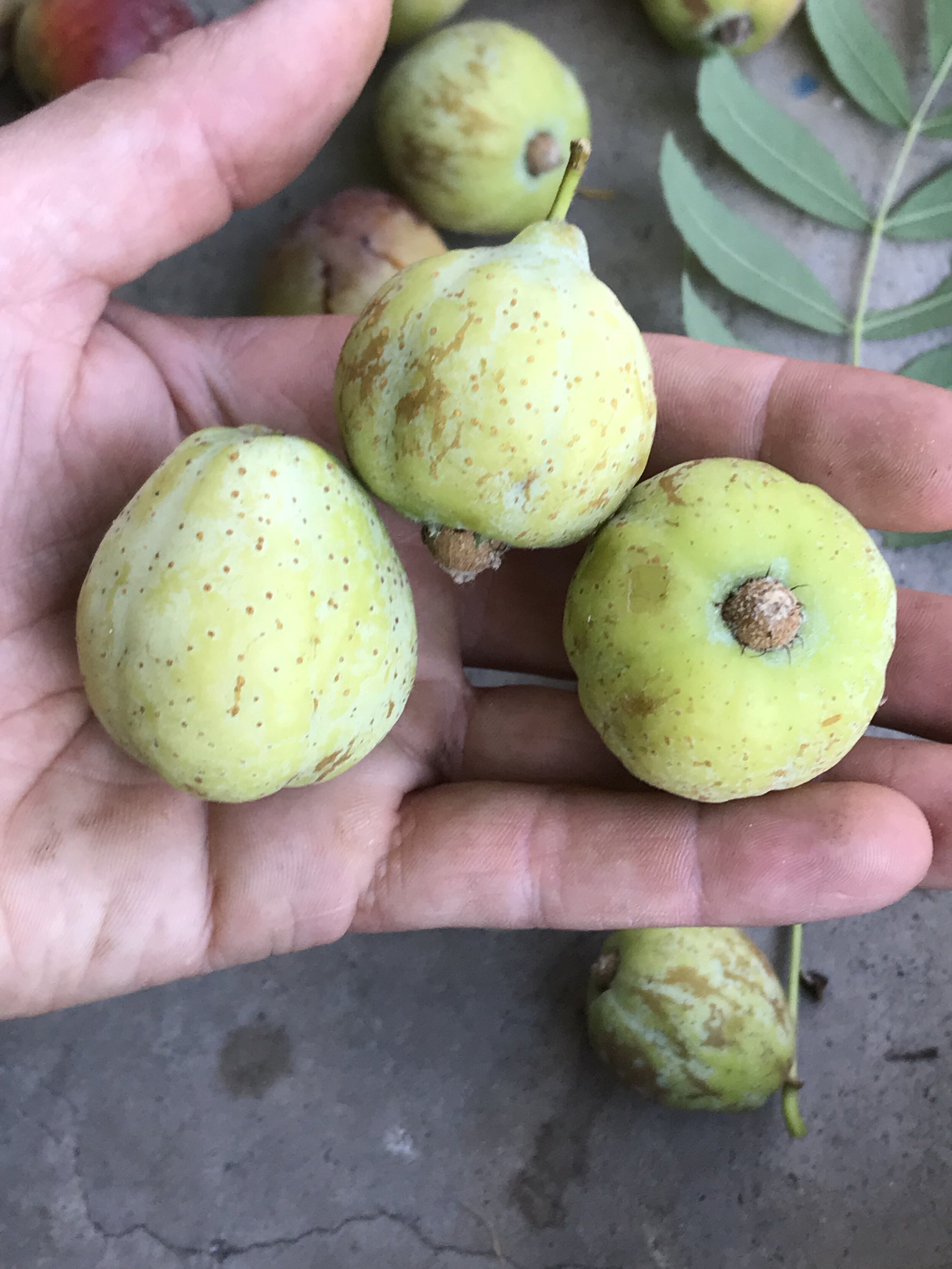
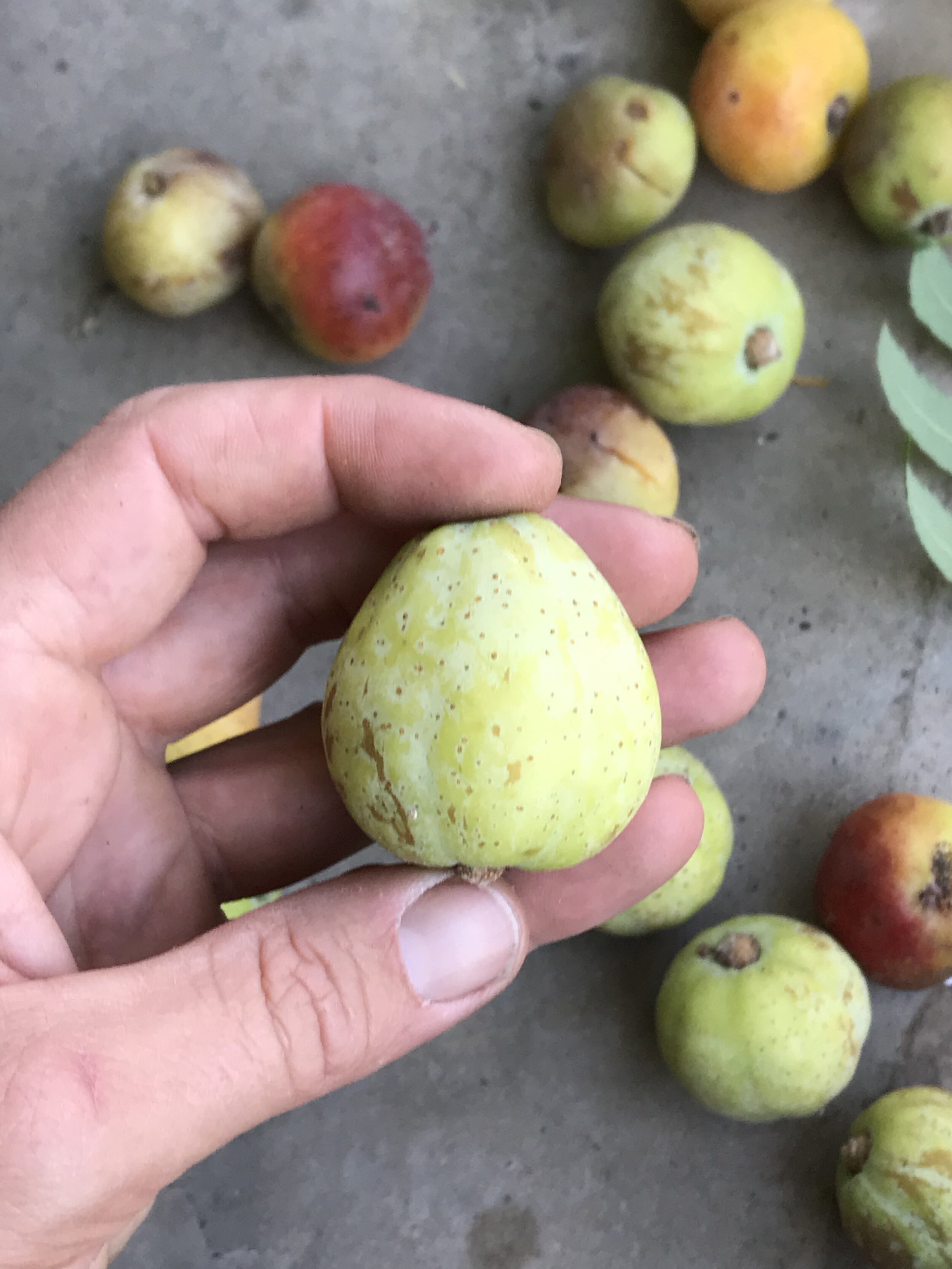
An unusual variety of Sorbus domestica.
This is an interesting semi-pyriform Sorbus domestica variety from one of Lurther Burbank’s seedlings growing at Burbank’s former experimental farm in Sebastopol, CA. The second photo on the top row compares this still green semi-pyriform variety with a more typical fruit form, almost ripe.