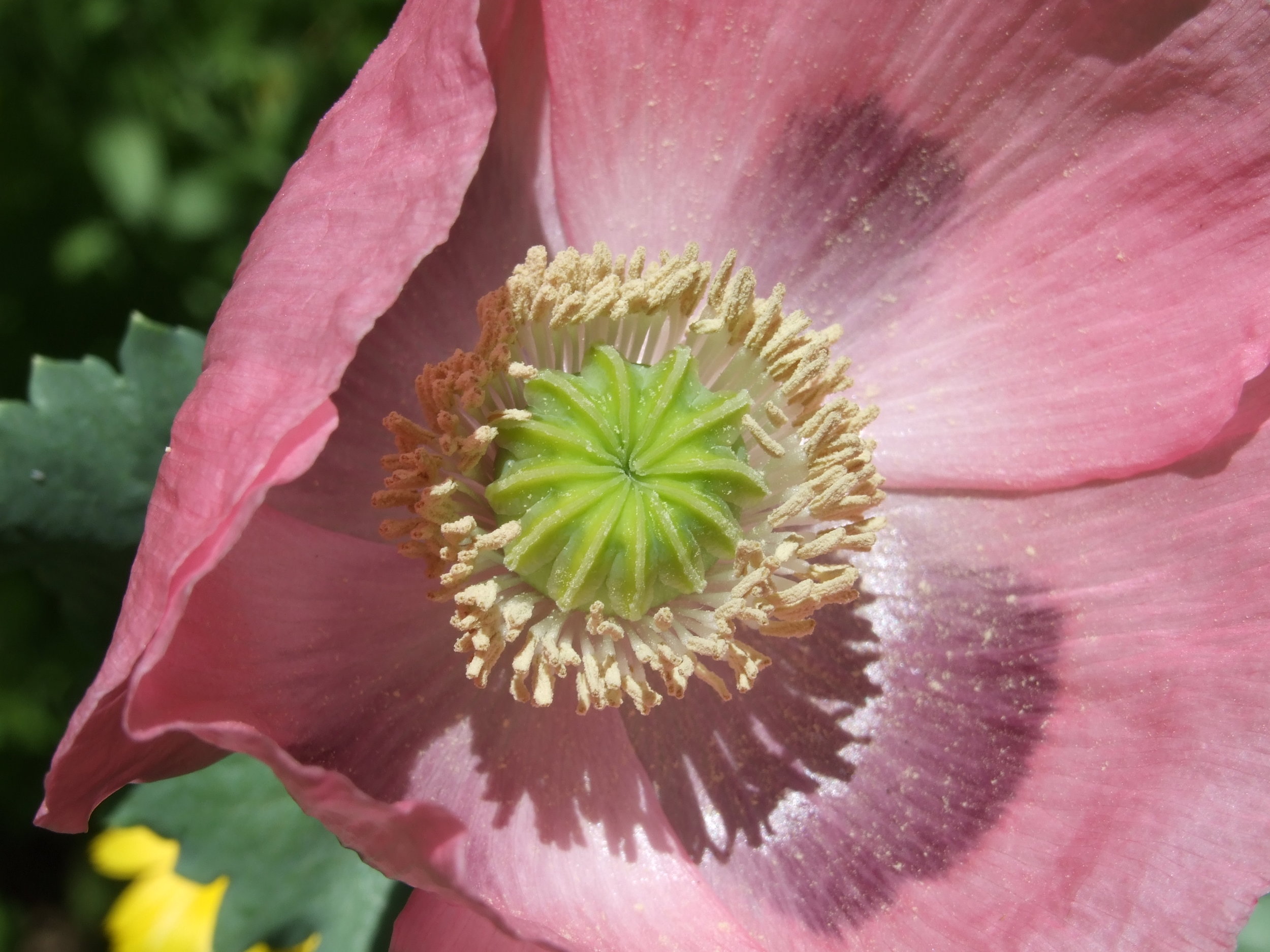
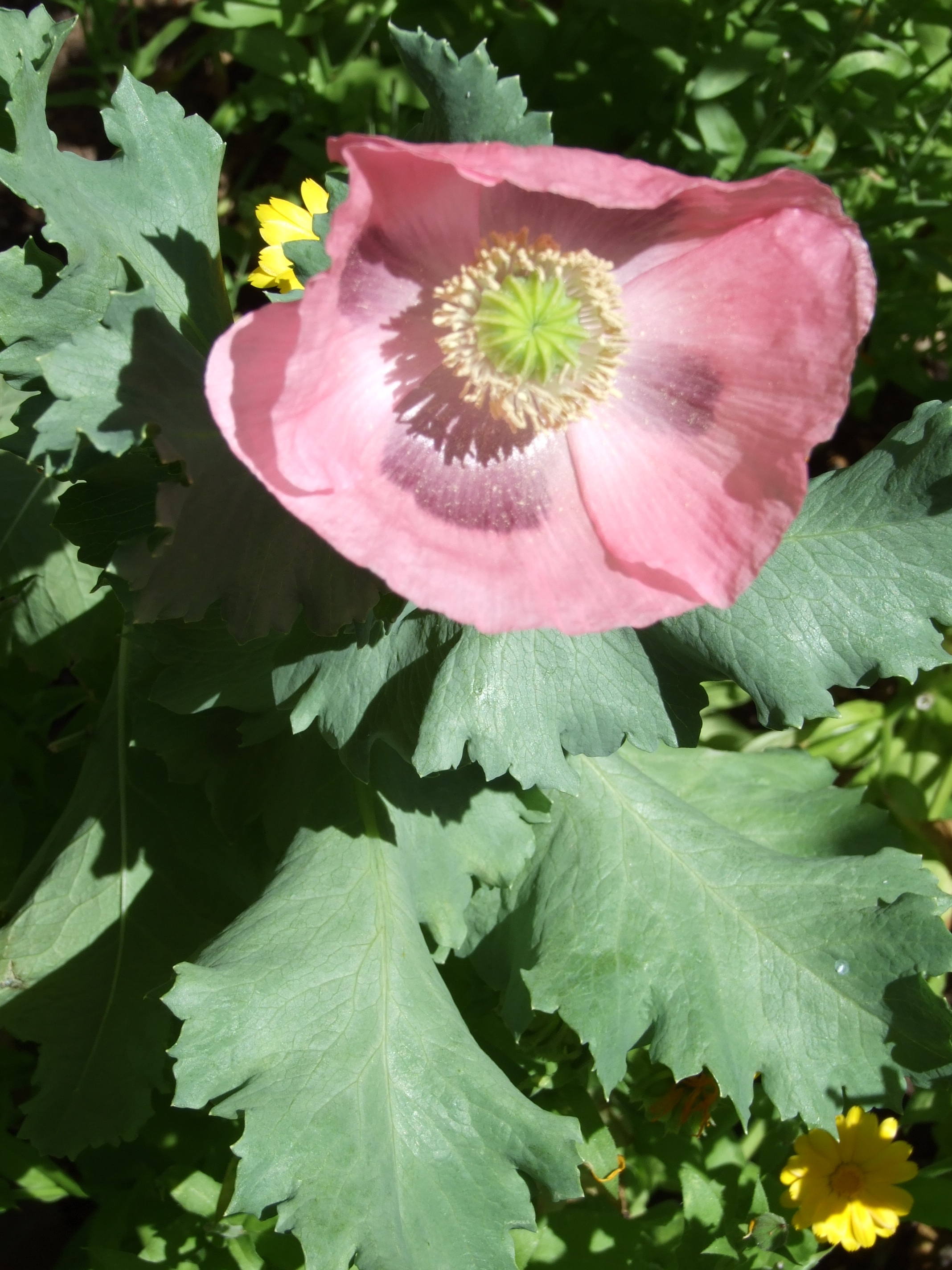
The opium poppy is an erect annual herb, growing up to a meter and a half in height with large hairless, almost grayish-green, serrated leaves. The large flowers are solitary, born on slender stalks, with large papery petals, as can be observed in the photos below. The seedheads have a very distinctive appearance, not unlike that of a saltshaker.
The opium poppy is a cultigen of unknown origin, believed to be indigenous to southwestern Asia. Really, it can not be said with certitude where its original home was. Poppy seeds have been found during excavations of 4,000 + year-old lake dwellings in Switzerland. Today it can be found cultivated throughout the world, especially in areas of Asia, Europe, North Africa, and the Americas. It is primarily propagated for the extraction of opium, from which a number of pharmaceutical and narcotic drugs are derived, such as heroin, codeine, and morphine, among others. Poppy seeds, a common condiment, can also be harvested from the ripe pods.
It is still not known whether the plant was first cultivated as an edible seed for the opium it provides. Both the seeds and sap were used for their remedial properties as early as 2,500 B.C. Assyrian medical texts refer to the opium poppy as "the plant of joy."
Throughout history it seems the plant has always been cultivated and consumed for both medicinal and hedonistic purposes.
Opium is legally produced in India and Turkey, while poppy seeds and poppy seed oil comes mainly from Europe, the Middle East, and India. The seeds contain no alkaloids.
For household medicinal applications, an infusion can be made from the mature seed pods. A typical dose amounts to around five grams of seed pod per half liter of water. The infusion possesses calmative and narcotic properties. For insomnia one can drink half a glass of opium poppyhead tea about a half an hour before going to sleep. To calm stomach pains and colic a half glass can be consumed every half hour. This same infusion is excellent to alleviate and combat cough, fever, and numerous ailments associated with the chest and lungs.
The dose can be amplified when used to calm chronic toothache, and inflammations of the mouth and throat.
Opium is derived from the milky sap exuded from mature seedheads when nicked or cut. Dioscorides provided a concise explanation of the procedure: Those who wish to obtain the sap must, after the dew has dried, go around the little star with a knife in such a way that this does not penetrate to the interior, and superficially incise the capsule in a straight direction on the sides, then smear the emerging tears with the fingers into a shell, and go back again after not too long a time, for it will have thickened and the next day it will be found like this as well. You must then knead it in a n old mortar, shape it in to lozenges and store it." (Book IV, Ch. 65)
The seed capsule can be cut either horizontally or vertically (both methods are practiced). The exuded sap can be collected numerous times daily, although traditionally seedheads are cut in the evening and the sap gathered the next morning. The milky sap dries to a brown color, this is raw opium. This is often collected with a special curved knife, which is also used to make incisions in the poppyhead. Raw opium is typically rendered to a more concentrated state by adding water and applying heat, thereby reducing the syrupy mass.
It is almost impossible to fathom just how significant a role Papaver somniferum has played in the course of human evolution.
The plant was highly regarded in ancient Greece, opium was not only the best and most frequently used medicines, but used in a wide variety of cultic contexts, also associated with many gods. IT is likely that the brown juice of the poppy (opium base) was employed in the initiatory drink of the Elusinian mysteries, thought to have been a major ingredient into what sounds like a particularly powerful drink, including ergot (Claviceps purpurea) and pennyroyal (Mentha pudegium).
Opium has always been revered as a potent aphrodisiac. The first source from the Ayurvedic system of medicine to list opium as a remedy is from Sarngadhara Sambita in the thirteenth century.Sarngdhara describes in some detail an opium containing powder called "akarakarabhadi chruna", which he lists as an aphrodisiac.
The recipe is as follows:
1 part aharakara (Anacyclus pyrethrum)
1 part sunthi (ginger; Zingiber officinale)
1 part kankila (Piper cubeba)
1 part kesara (Mallothus philippinensis)
1 part pippali (long pepper; Piper longum)
1 part jatiphala (nutmeg; Myristica fragrans)
1 part lavanga (clove; Carophyllus)
1 part candana (sandalwood; Santalum album)
4 parts ahiphena (opium; Papaver somniferum)
The dose was suggested at apprx. 300 mg.
In addition to its common use as an aphrodisiac. Opium was also frequently combined with hemp products and nightshades and consecrated to Shiva.
The Rajputs used opium combined with olibanum (frankincense resin), cumin (Cuminum cyminum), and pureed fruit. This mixture is said to have been a popular aphrodisiac in the day.
Opium is a better aphrodisiac when eaten. To be smoked, raw opium must be changed into smoking opium, which involves a somewhat involved process.
There are a number of books on the natural history of opium, all of which include a much more extensive history.


Randia formosa is a memeber of the Rubiaceae family, native to Brazil. Is a small tree related to gardenia and coffee and Psychotria spp, among others. The tree / shrub has a has fragrant, white flowers similar in aroma to the gardenia. The tree doesn't get much taller than eight feet. The fruit is a yellow capsule with an almost brittle shell, similar in shape, although smaller in size, to the pomegranate (Punica granatum). Upon breaking open the capsule, one will find dark, jam-like pulp embedded with numerous seeds. The pulp has a taste similar to that of blackberry jam, or some other jam, thus the name.
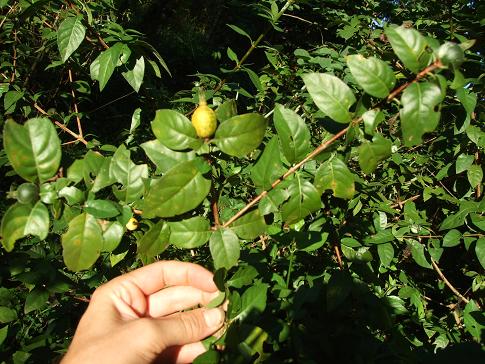
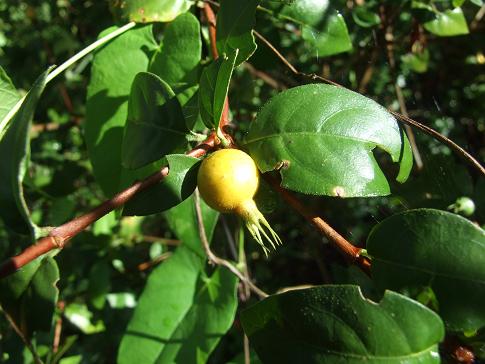
Here are some photos of a Passiflora variety I found on an island off the Northern Caribbean coast of Panama

Passiflora seemanii flower.
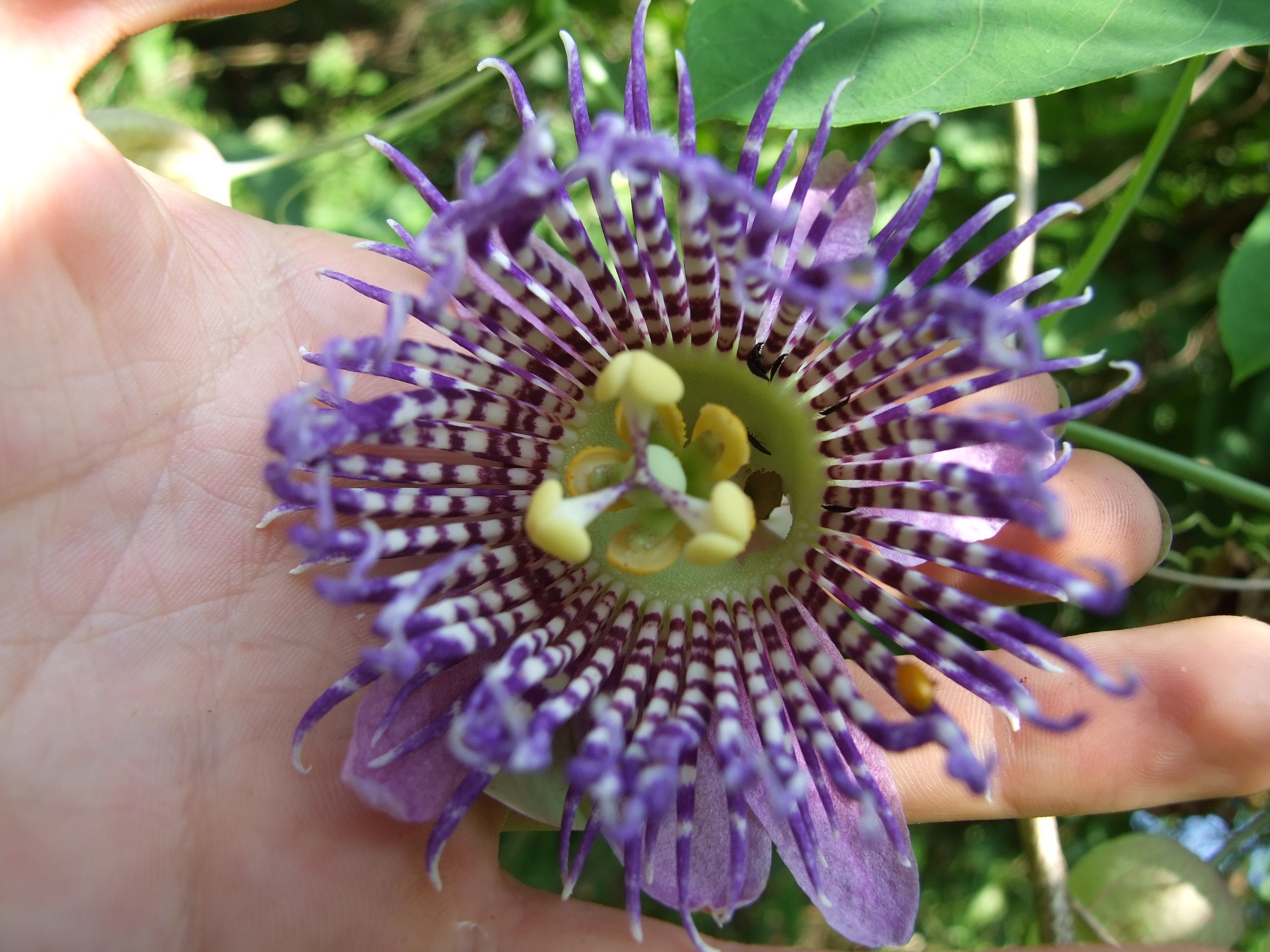
Passiflora seemanii close up.
BACKGROUND, ORIGIN AND DISTRIBUTION
Coffea canephora, otherwise known as Robusta coffee, is native to Central and Western Sub-Saharan Africa. I took this photo in the Northern Caribbean Islands in Panama where we were planting it as a shaded understory intercrop to larger hardwoods and crown bearing fruit trees. .
Native to the upland forests of Ethiopia, Coffea robusta was only recognized as a coffee species in 1897, almost 100 years after Coffea arabica.
Most Robusta coffee today is grown in Vietnam, where it was introduced by French colonists in the late 19th century.
USES AND ETHNOBOTANY
40% of the coffee in the world is Robusta coffee. Robusta has a greater crop yield and more caffeine then Arabica coffee. This species is also less succeptible to pests and diseases then Arabica, therefore relying on less herbicide and pesticides in commercial cultivations.
That Robusta coffee plants are less susceptible to pest and diseases begs the question of weather or not the plant may have more mycorrhizal associations with beneficial fungi, thereby improving overall resilience and health.
PROPAGATION AND CULTIVATION
Coffee can be easily grown from seed. Seeds benefit from a light fermentation over a few days in their skin prior to germination. The pre-fermentation basically mimics the natural process that fruit goes through after it matures and drops to the ground in the tropics. After the light fermentation seeds can then be rinsed in clean water, removing any residual pulp.
Coffee seedlings can often be found germinating around the base of a fruit bearing plant. Reportedly the plant has naturalized in a number of countries throughout the world including Borneo, French Polynesia, Costa Rica, Nicaragua, Jamaica, and the Lesser Antilles.
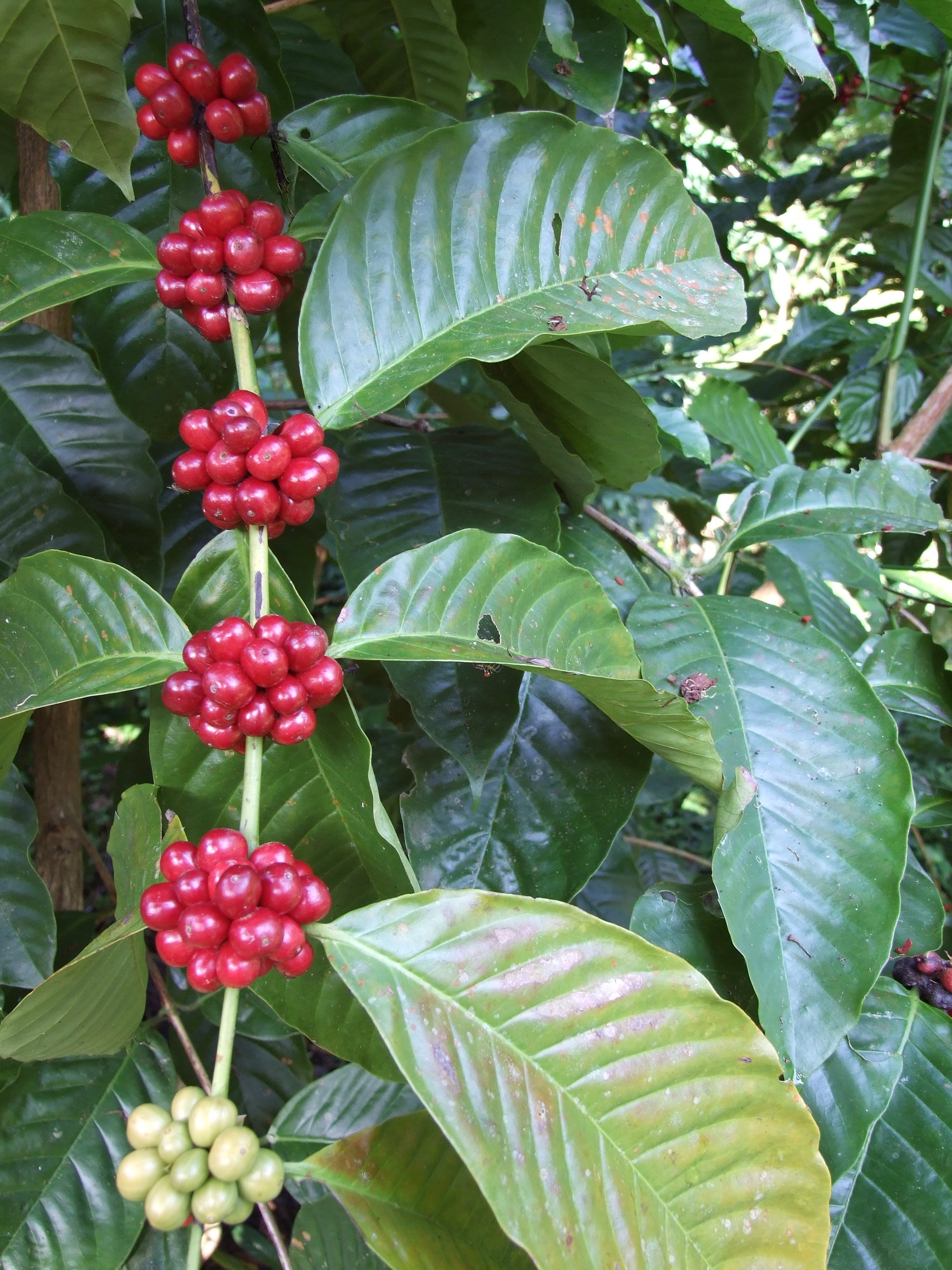
Coffea conifera fruit and leaf.

Coffea conifera unripe fruit.
Here are some photos of the desert native Passiflora palmeri, photographed in Baja Sur, Mexico.
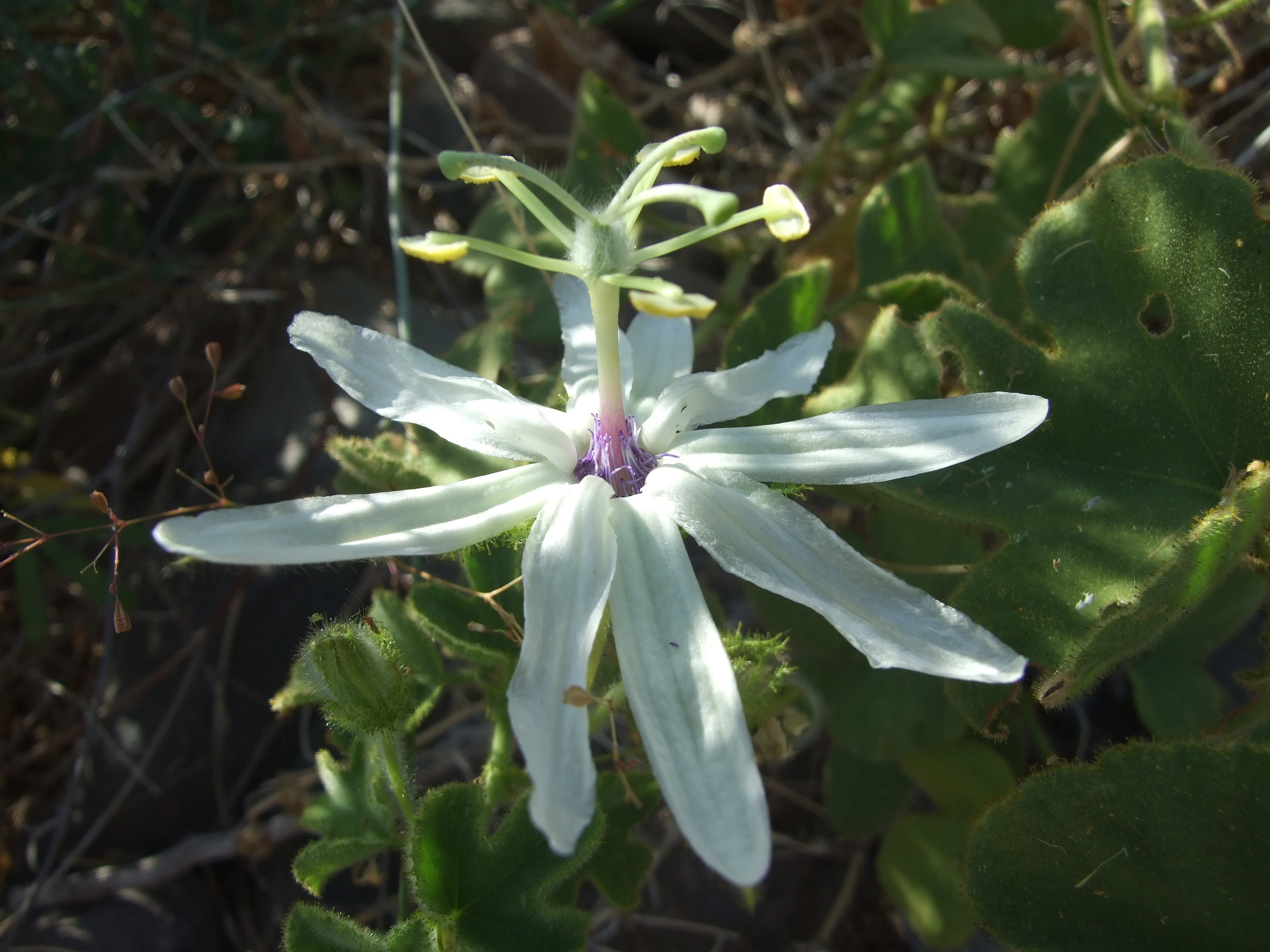
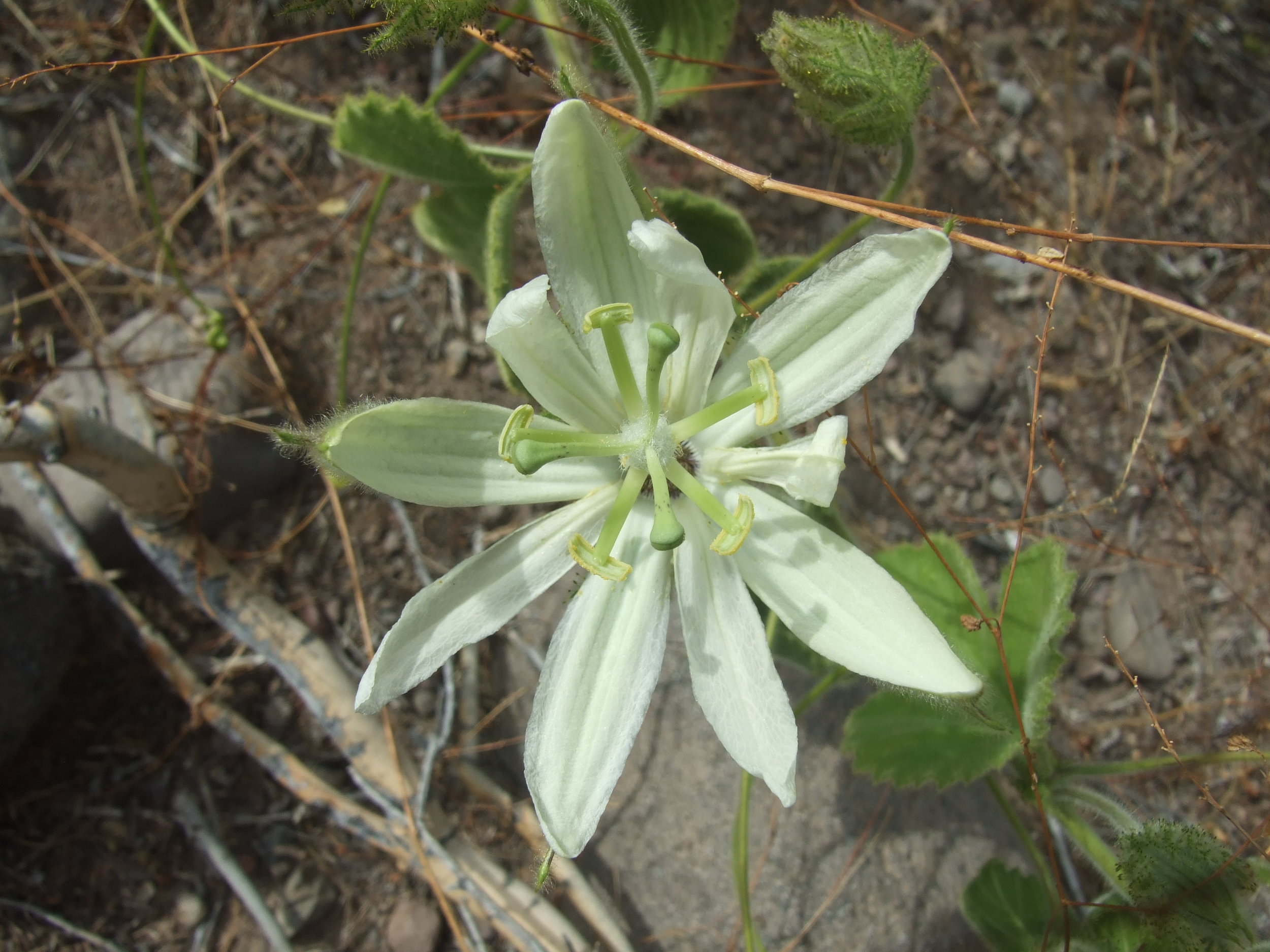
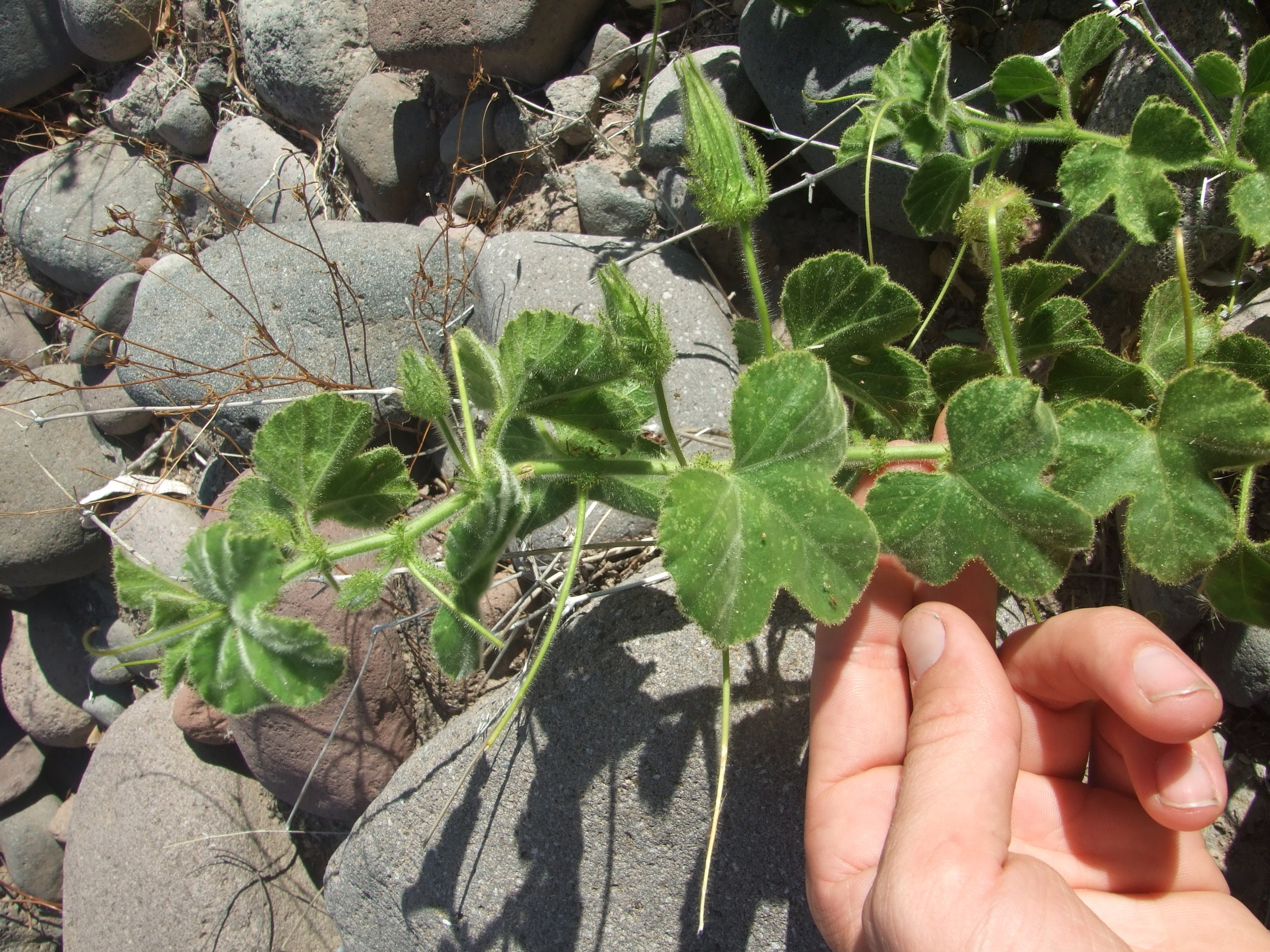
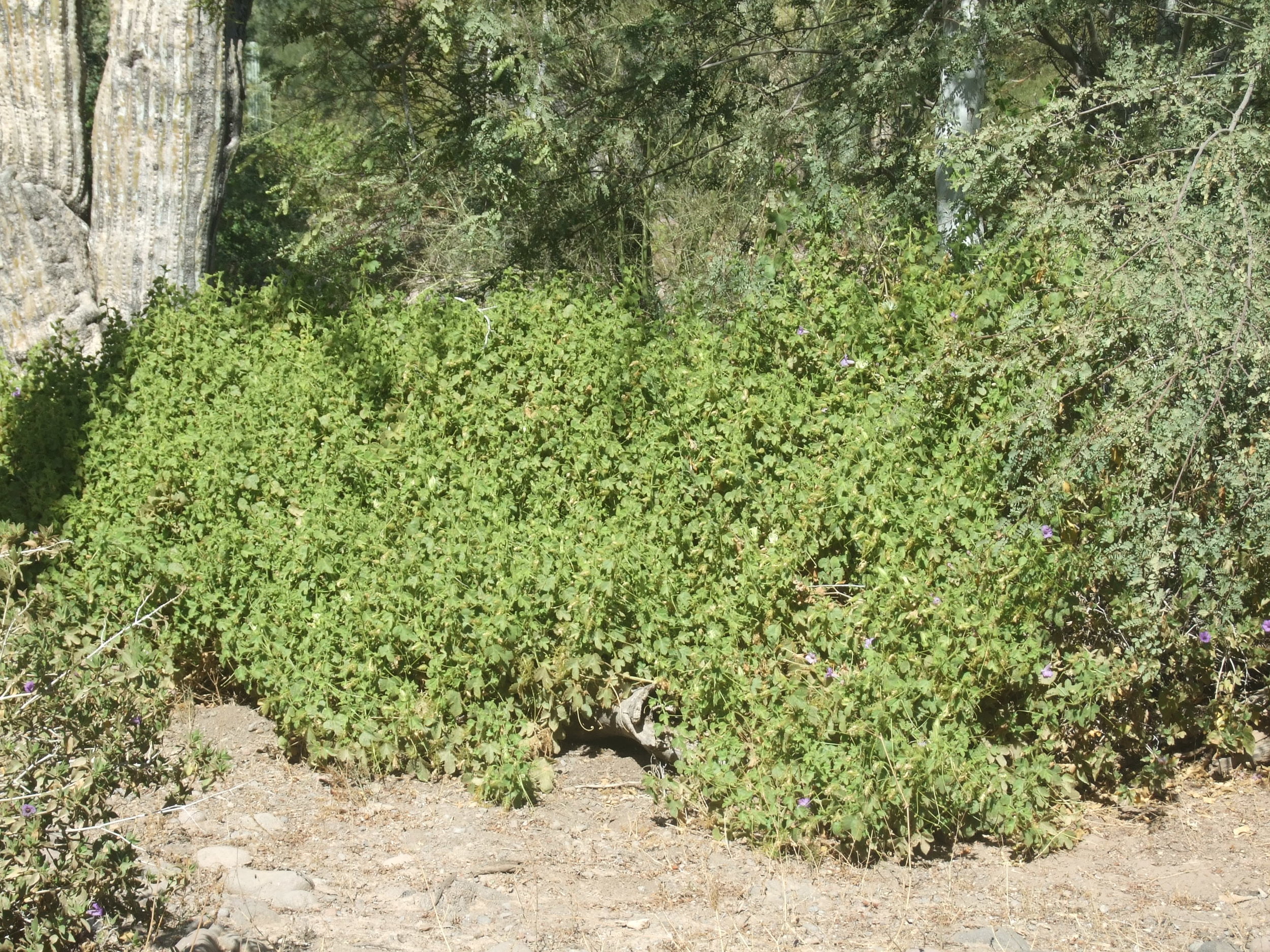
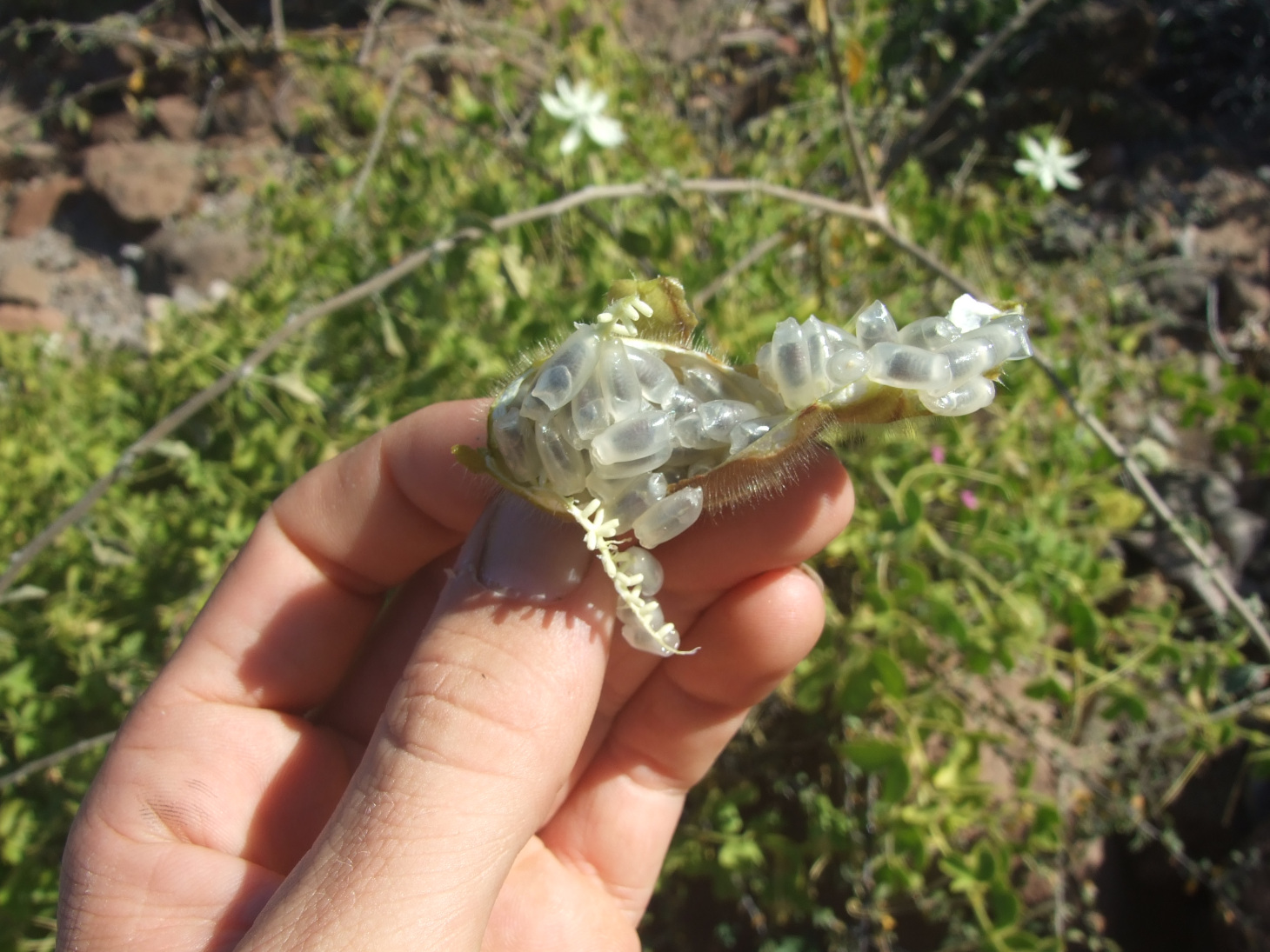
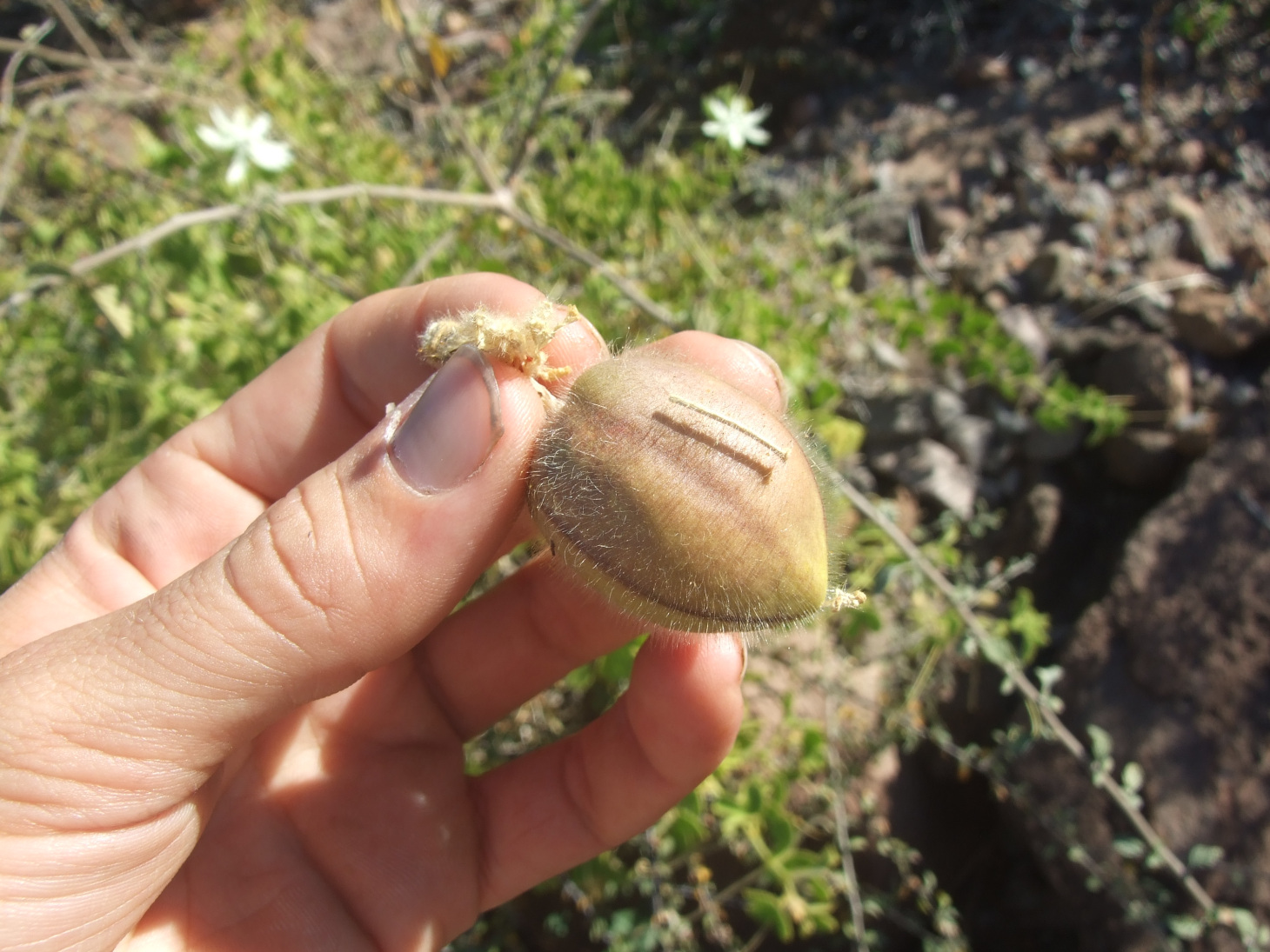
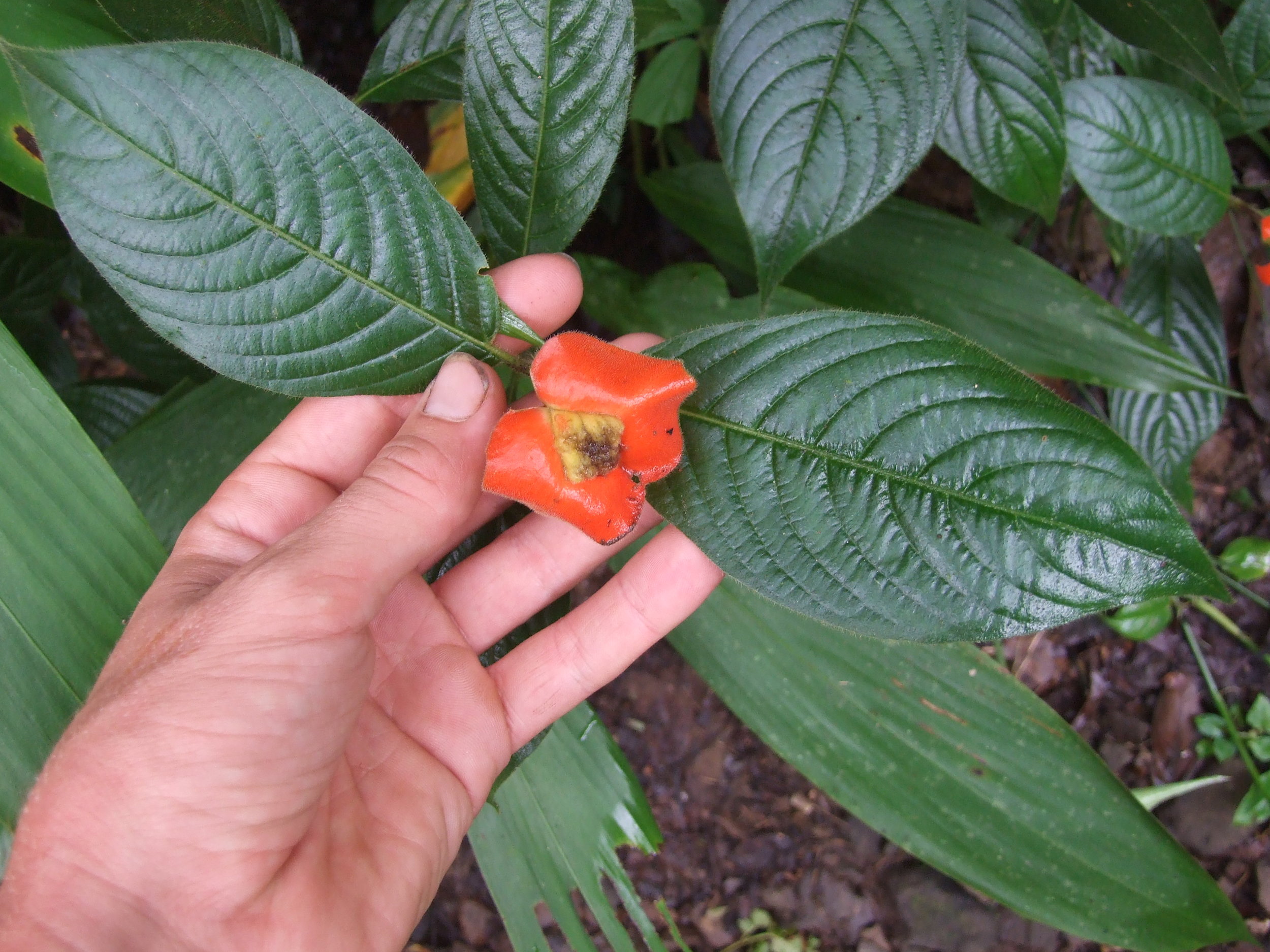
Native to the forests of Panama, this photo was taken in Soberania national park on the Pacific Side. The species ranges widely in the tropical Americas, from from Chiapas, Oaxaca, Tabasco and Veracruz in Mexico to the very north of Argentina. It does not occur on the Pacific side of the American cordillera however, and is thus absent from El Salvador and Chile. It is probably also absent from Uruguay and Paraguay.
I have propagated this Psychotria poeppigiana from seeds and cuttings collected in the dry tropical forests on the Pacific Coast of Panama.
This species has been used as a hunting fetish, as a magical talisman to facilitate hunting. The leaves and flowers would be placed in a bundle and tied to the collar of dogs when hunting taipir. In Suriname the plant is crushed then boiled, the resulting liquid can be used as wash for headaches. This same preparation can be used as an external wash for sprains, rheumatism, muscular pains and contusions.
The Wayana indians of Suriname use bark raspings from the stem and rub it on a skin rash known as "poispoisi". The red, sap-filled inflorescence are used for an antalgic to treat earache, administered by dropping the sap into the ear canal. The inflorescence is used to remedy whooping cough.
This species of psychotria has also been used as a P. viridis analogue in ayahuasca, containing significant amounts of DMT.
The Baobab appears to be a somewhat disproportional tree, with a massive trunk and gnarled, twisting branches.

The fruit grow to around 25 cm long, with a hard oval shell and longitudinal grooves, like a football. The pod is packed with seeds embedded in an edible cream or white pulp.
The cream can be eaten raw, or alternatively dissolved in water and stirred into a milky paste, served as a drink. Coconut juice is commonly added. The seeds can be sifted off and roasted like groundnuts.
In times of famine the soft tuber-like root tips are cooked and eaten. Germinating seed roots are also eaten, and young leaves are used as a vegetable, often mixed with cassava leaves.
The pulp covered seeds are coated with colored sugar and sold as sweets in coastal towns in Kenya (where the tree is most common).
A. digitata is also employed as a plant medicine. A decoction of the bark is used to steam-bath infants with high fever. A juice made from the mashed pulp is drunk to treat fever.
This versatile tree also yields a fiber (taken from the trunk) used as string for weaving baskets and ropes. Strings are first stripped from the trunk, chewed for softening, then woven.

Trees are traditionally used for placing bee hives, assumedly due to the high quality honey produced with the pollen of its flowers.
In parts of Kenya it is believed that the appearance of new leaf growth or flowers is an indicator that the rainy season is going to start. Fallen trees provide a huge amount of biomass and decompose over time improving the soil quality significantly.

Perhaps more then any other tree in east Africa, this one is associated with complex myths, legends, and beliefs amongst peoples in areas where it grows. For instance: Young plants are never cut down, while large trees are never debarked (for sap or fiber) just before the onset of rainy season for fear that to do so would keep rain from falling. The Baobab is considered to be a sacred and peaceful tree. A cut in the tree is said to bleed like a human being. And in the region of Meru, there is a belief that a person will turn into the opposite sex if they walk in a circle around the tree with a goat.
The tree is easily propagated from seed. For higher germination rates seeds can be scarified or put in boiling water briefly and let to cool. Naturally a seed can take several years to find water and germinate. The tree is very slow growing and should not be planted near houses as lateral roots can reach lengths of a hundred m or more. A tree is said to begin producing fruit after 60 years, so plant one now!
In Kenya there are three distinct varieties, differing mostly in the degree of sweetness of the pulp and size of the seed. The shape of the trees and fruit will also vary.

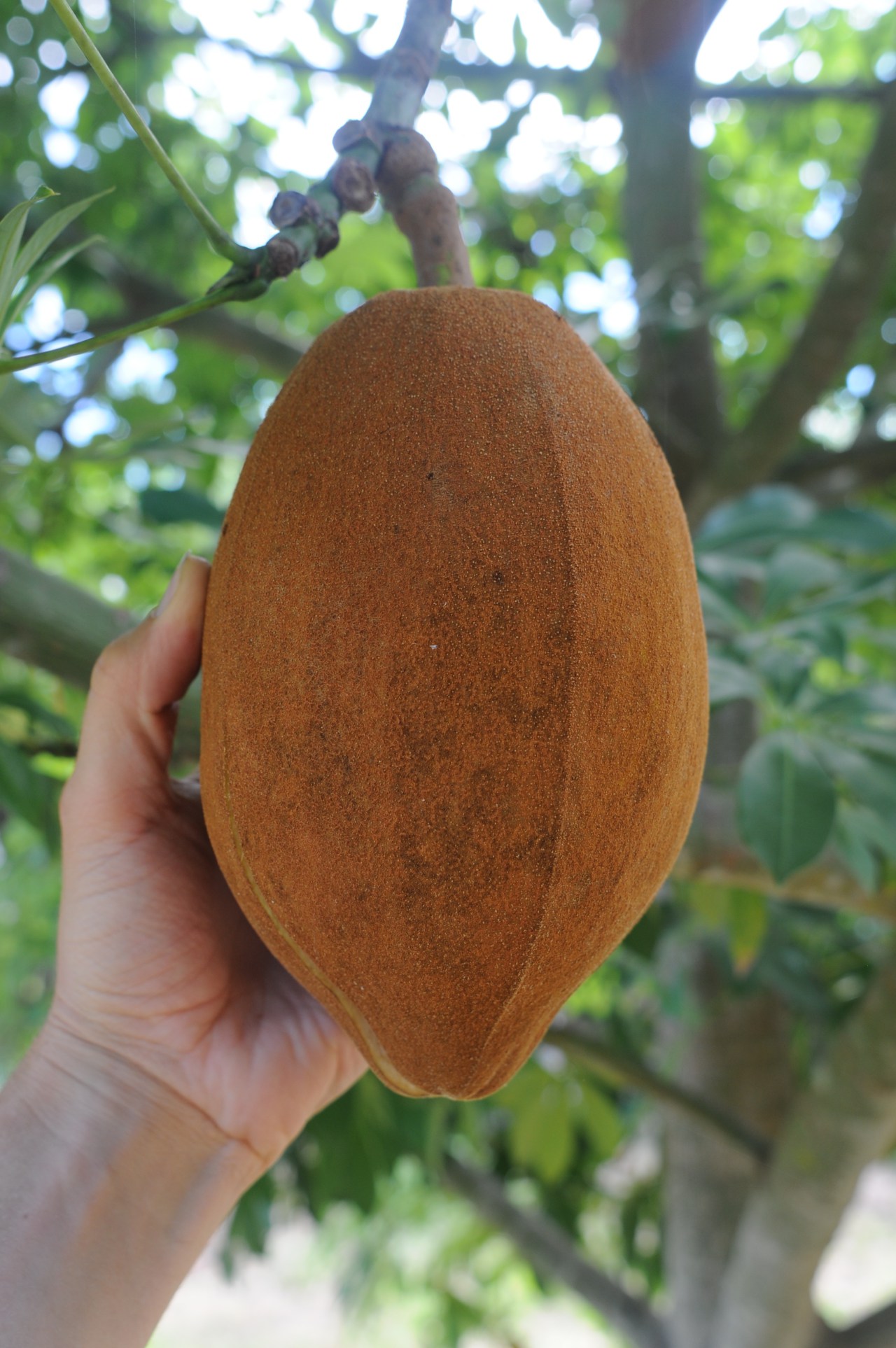
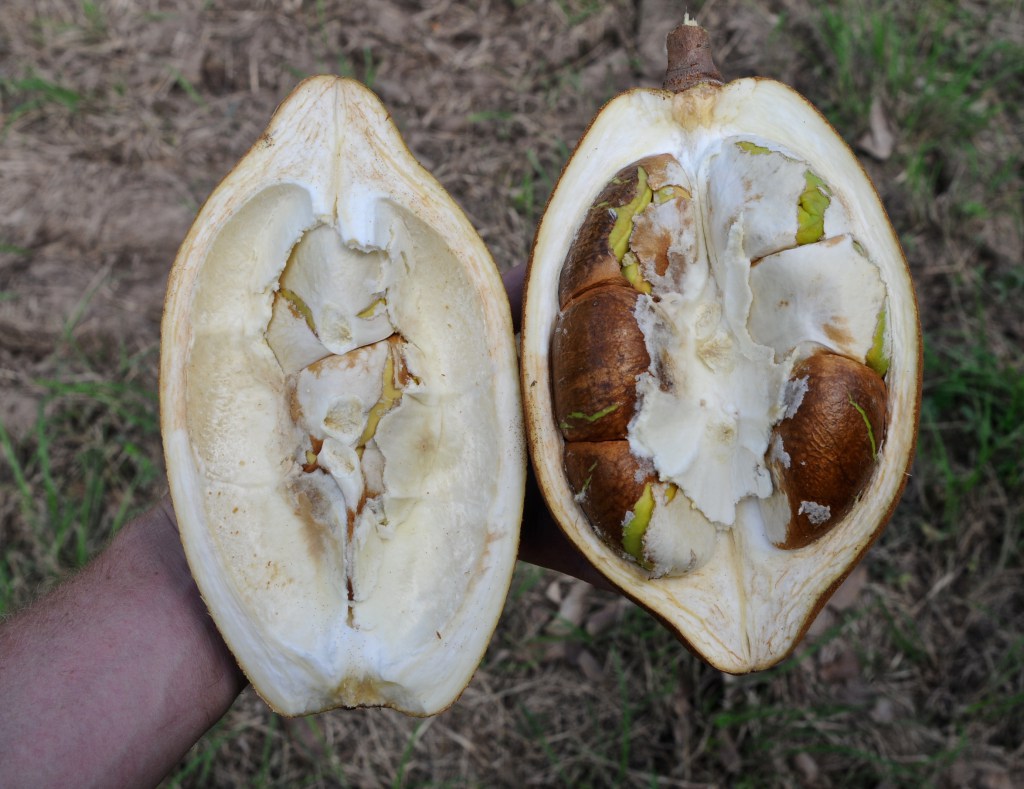
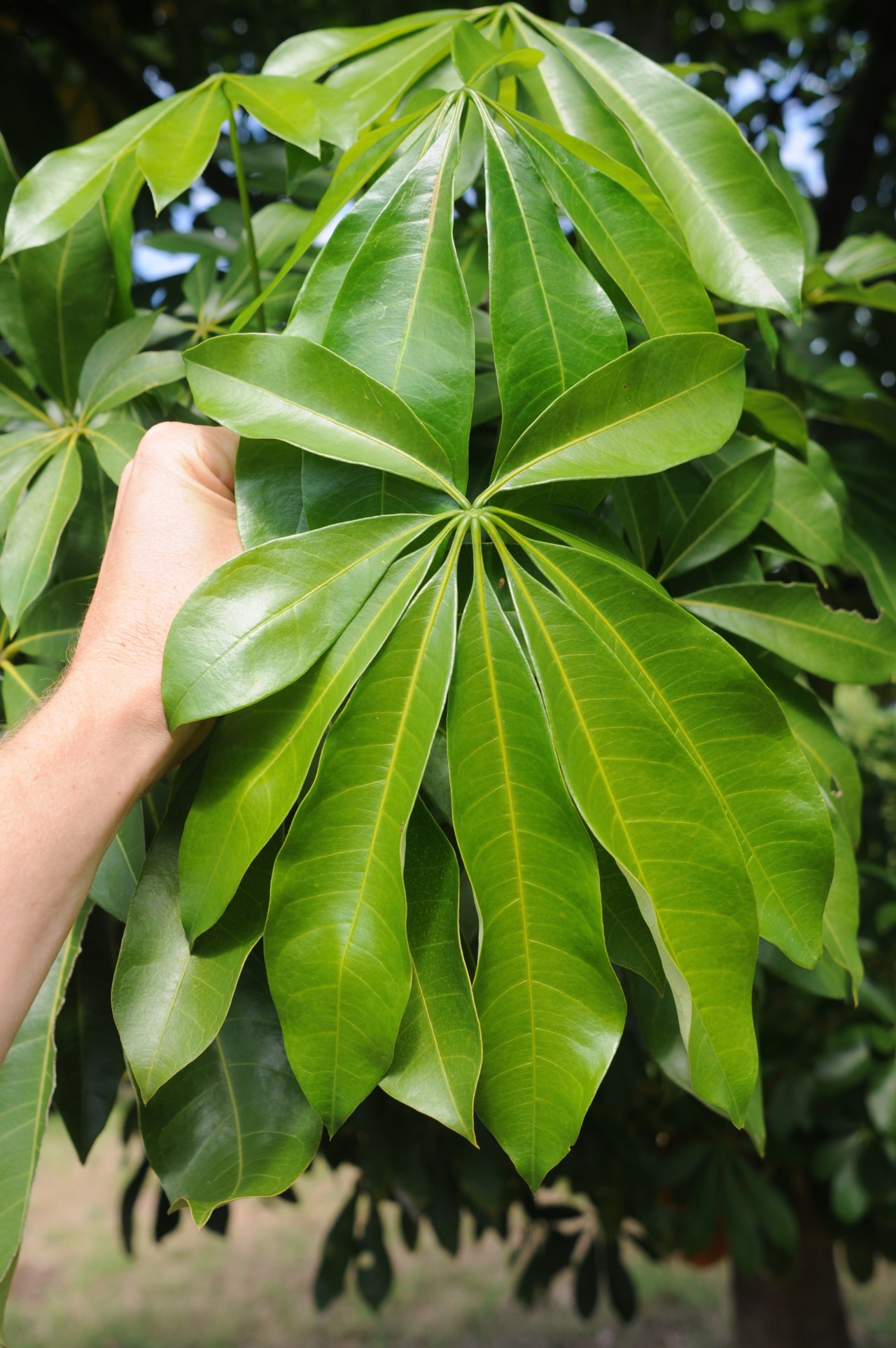
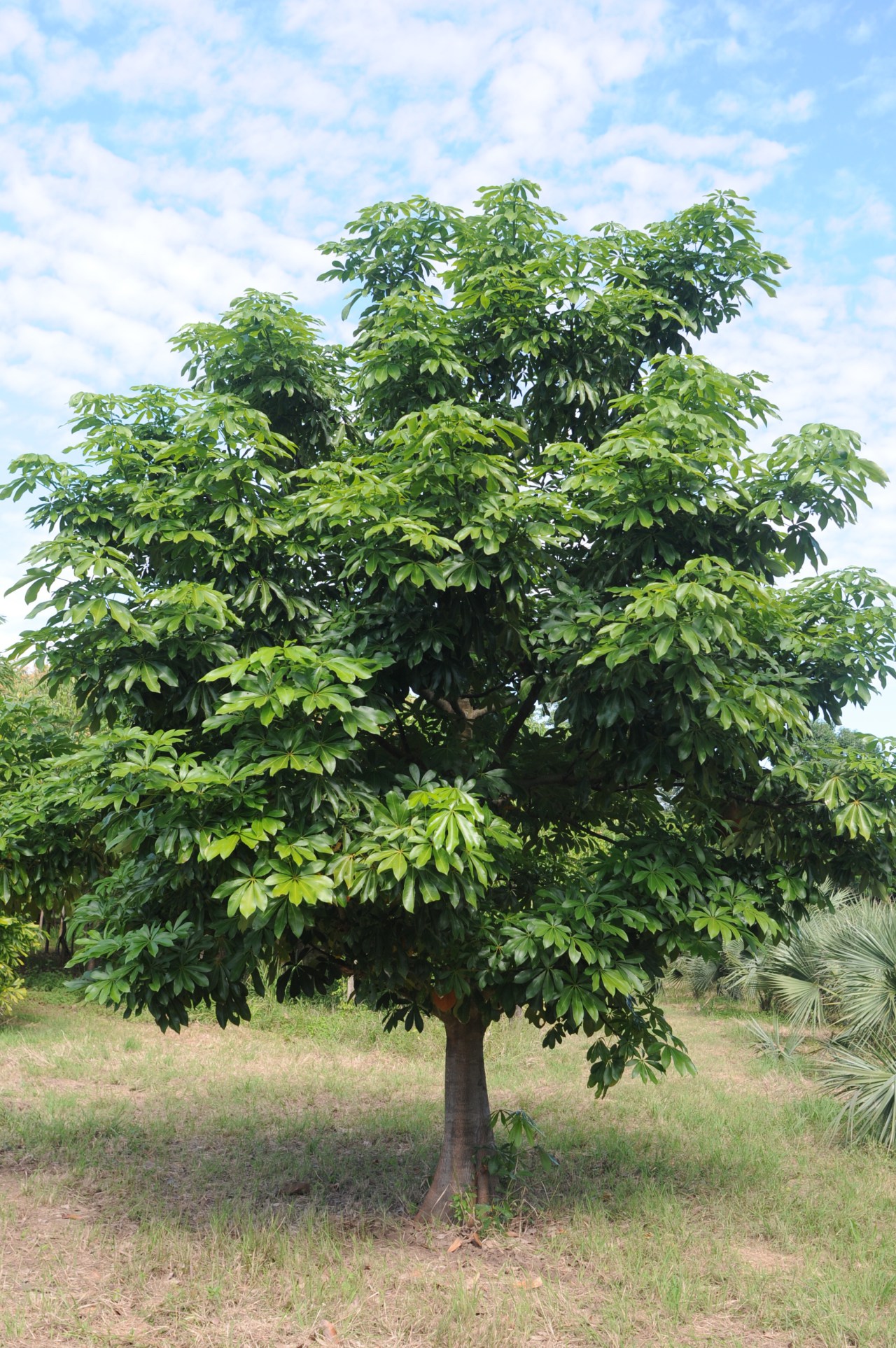
Pachira aquatica is a medium size tree native to tropical wetlands of Central and South America. Its native habitat tends to be seasonally flooded lowlands or swamps, however it is adaptable to a wide range of tropical environments. The large, oblong fruit is full of large seeds which taste reminiscent of peanuts, and can be eaten raw, cooked, or ground into flour to make bread. The leaves and flowers are also edible.
Interestingly Pachira aquatica and close relative Pachira glabra are both used and sold with braided trunks as the "money tree", an indoor plant that is supposed to bring monetary wealth. Personally I prefer to plant them in the ground outside.