Central and South America

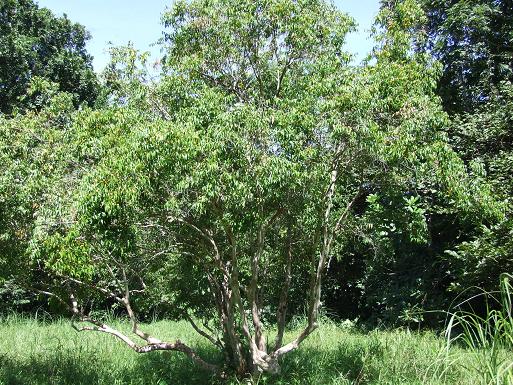
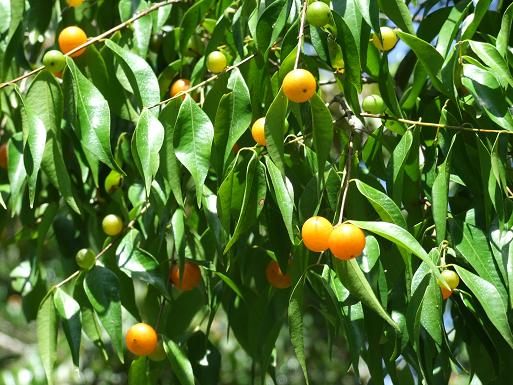
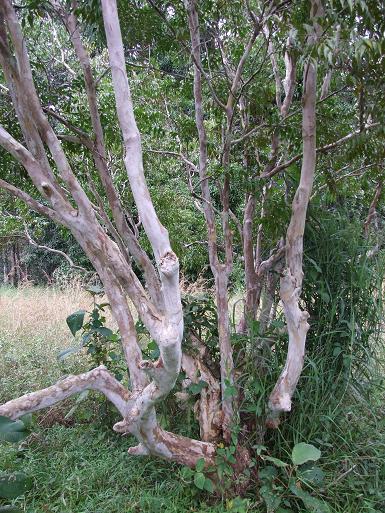
Myrciaria floribunda - Rumberry, Guavaberry

A close relative of Camu-camu. This is native to dry and moist coastal forests of tropical America. Bears a small, bright orange berry. The flesh is strongly fragrant. Makes an excellent jam or juice. At Christmas time in parts of the Lesser Antilles (W. Indies) a Guavaberry rum is made. This is a delicious, aromatic, rum-based liqueur that has apparently been brewed for centuries.

M. floribunda is a very slow growing species, rarely found cultivated in its region of origin, although wild trees are typically left in pastures that have been cleared of their vegetation.

I know of a single tree and have harvested fruit once. Bears heavily.

In my experience the small, hard seeds can take a while to germinate. After months of waiting for germination I kind of lost track of them. Eventually I got a few sprouts. A light scarification might prove beneficial in expediting the process. Next season i'll germinate a few dozen, as this is a very uncommon in interesting tree.

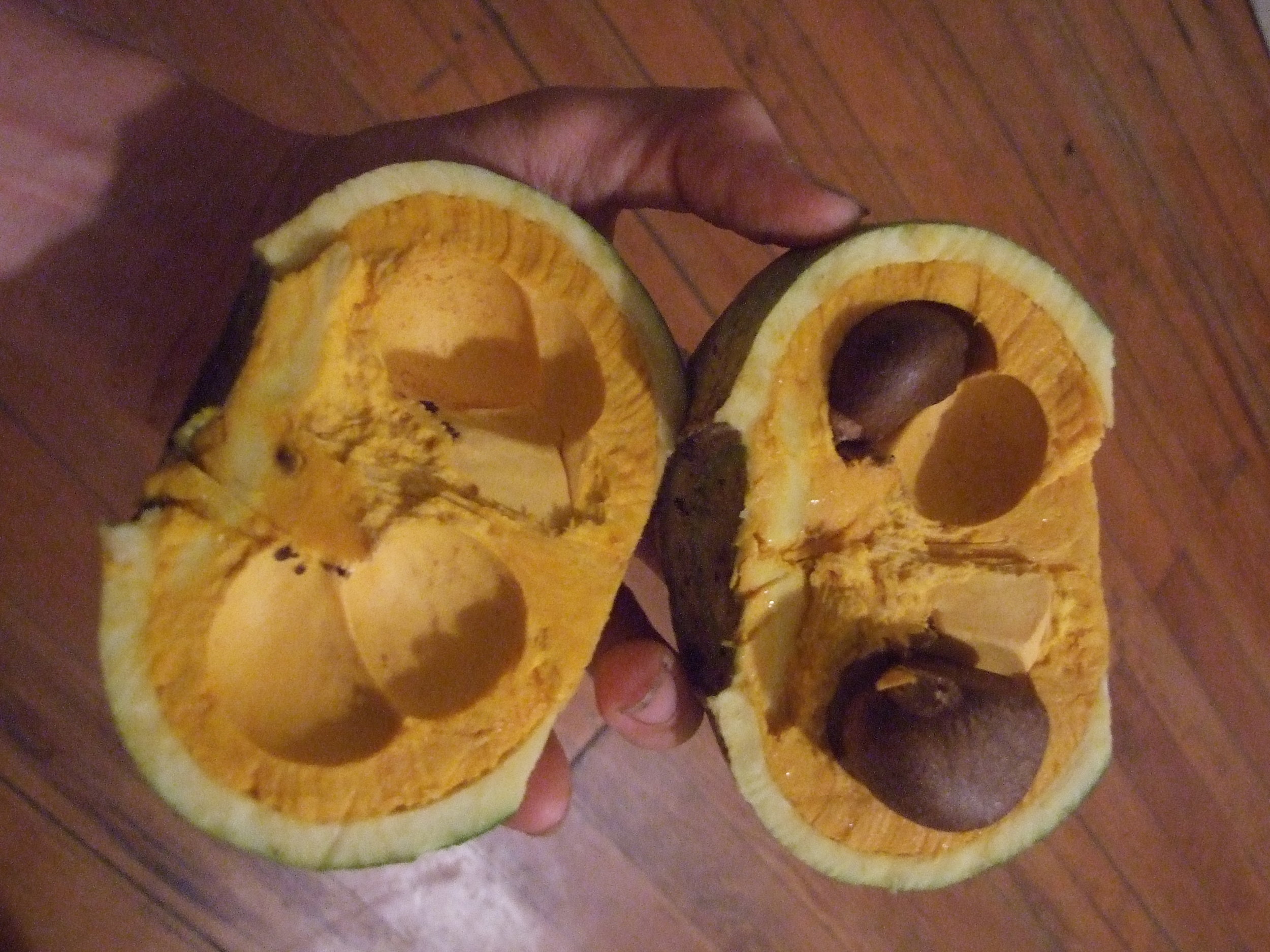
Lecythidaceae, Gustavia superba, membrillo, paco

Membrillo is a tree with origins in tropical lowlands from Ecuador to Panama and Venezuela. It is mostly found in homegardens grown for personal consumption. The tree is generally slow growing, likes water and sun, and can reach a height of five to ten meters. The rounded, pear shaped fruits appear on the trunk contains one to four large smooth seeds surrounded by a fleshy yellowish orange edible pulp, which is typically boiled and is said to have a taste resembling meat.Membrillo pulp is rich in vitamins A, B, and C. The species is adapted to hot, humid, tropical climates and will do best in well drained soils with full sunlight. The leaves of G. superba are a favorte food of iguana.

Myrciaria cauliflora var. ? - Dwarf jaboticaba

The Jaboticaba originates in Southern Brazil where it is one of the most popular fruits, in some parts of the country this is the most common fruit in markets.

Typically Jaboticaba trees grow from 10 - 12 meters high and can take from 6-8 years to bear fruit when grown from seed, and even longer (8-10) when grown in lower, hotter climates.

The variety photographed below is a dwarf, only about two and a half feet tall, bears three times a year, and has larger leaves then the common Jaboticaba. The skin is thin enough to be eaten. As long as it gets irrigated when fruiting, this particular variety seems to do great in the lowland, dry humid tropics.

This is a stem bearing tree. When it is in full bloom the trunk and thicker branches are covered in an almost fuzz like layer of flowers, then the bulbous fruit appear and grow quite rapidly. It seems to take about 15-20 days from flower to mature fruit on this tree.

I'm trying to grow as many as I can. It's bearing right now (end of April).

Dwarf Jaboticabajpg
Dwarf Jaboticabajpg
Dwarf Jaboticaba Flower
Dwarf Jaboticaba, young fruit
dwarf jaboticaba fruit
Dwarf jaboticaba, fruit
dscf63212
dscf63212
Jaboticaba fruit close-up, cross-section

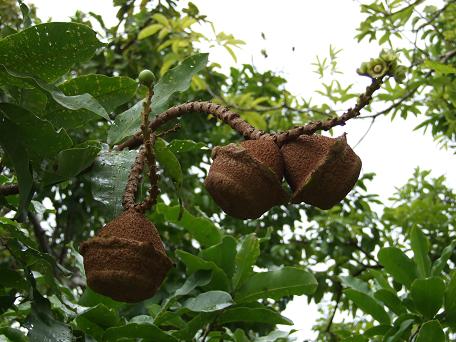
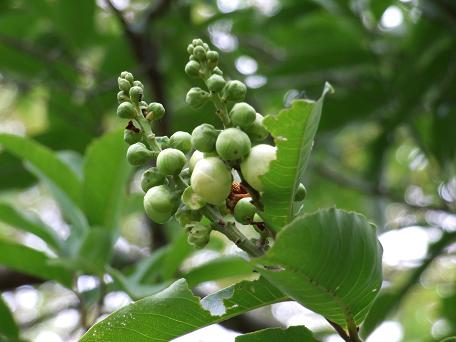
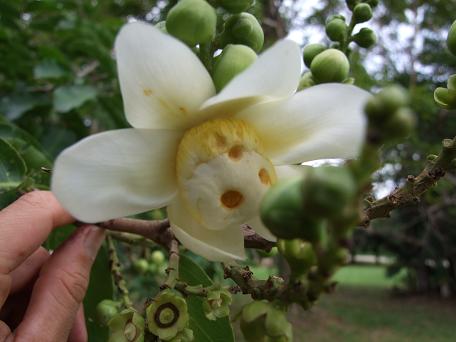
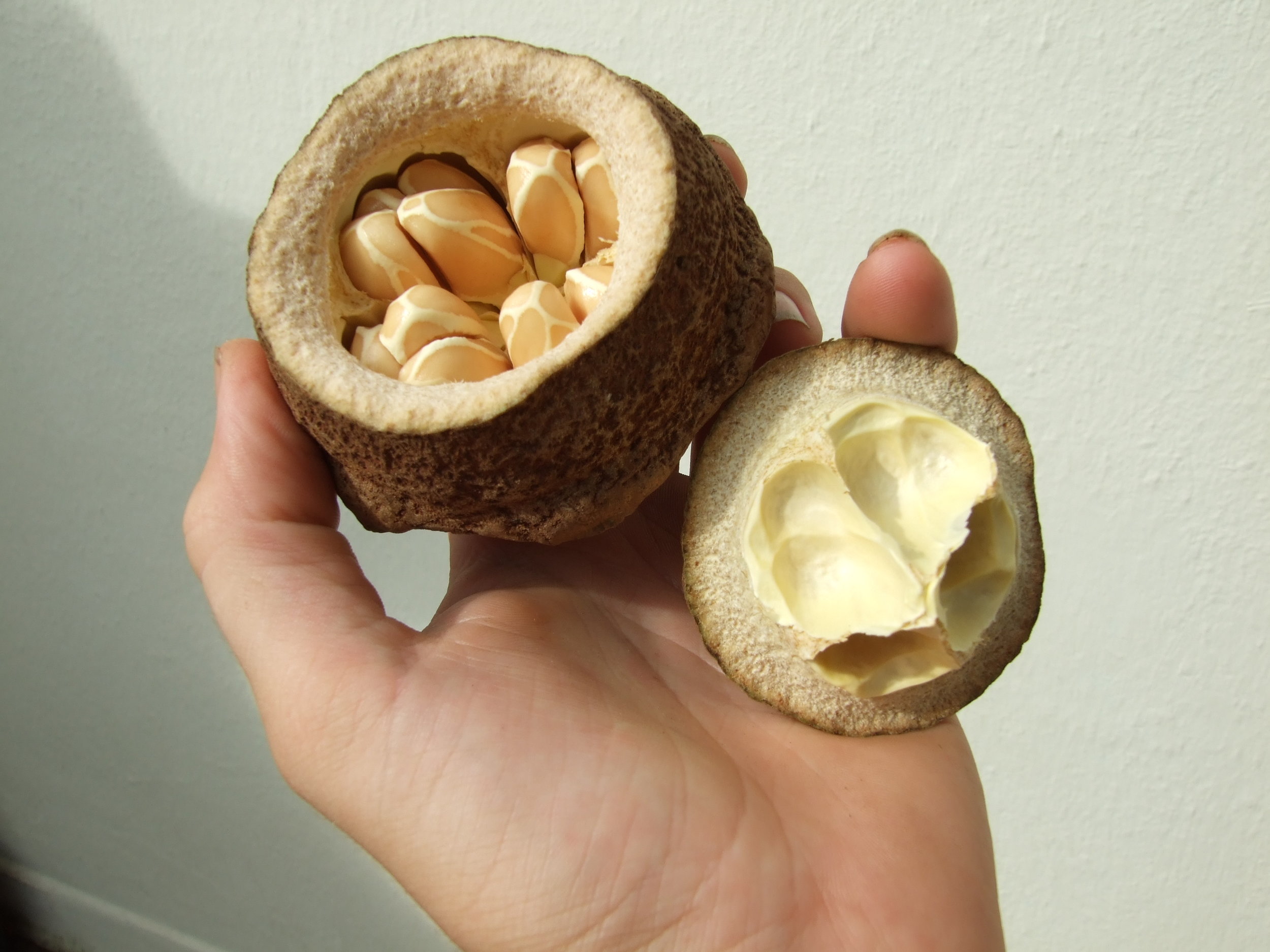
Lecythis elliptica - Mini-Brazil Nut, Monkey Pot

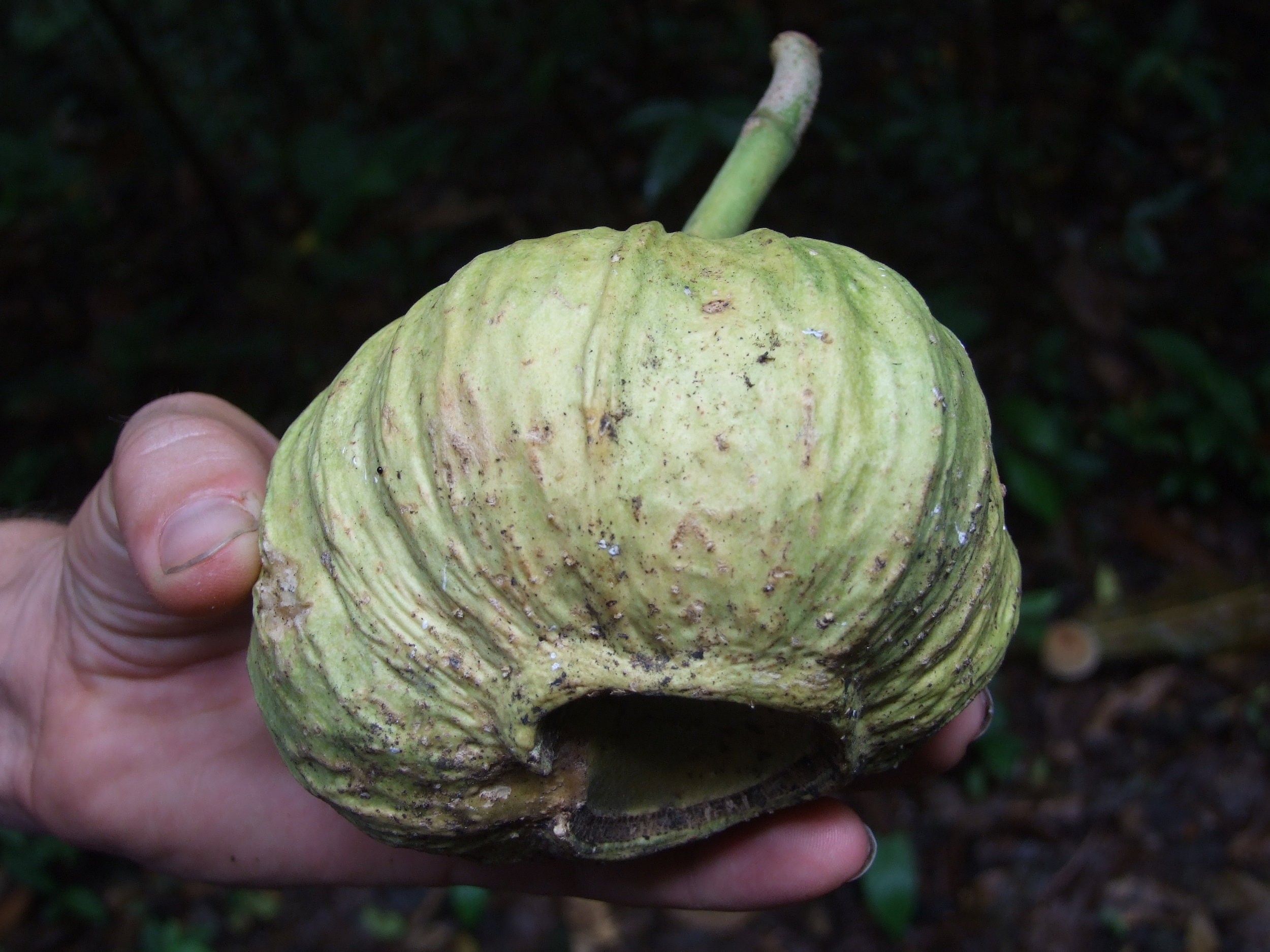
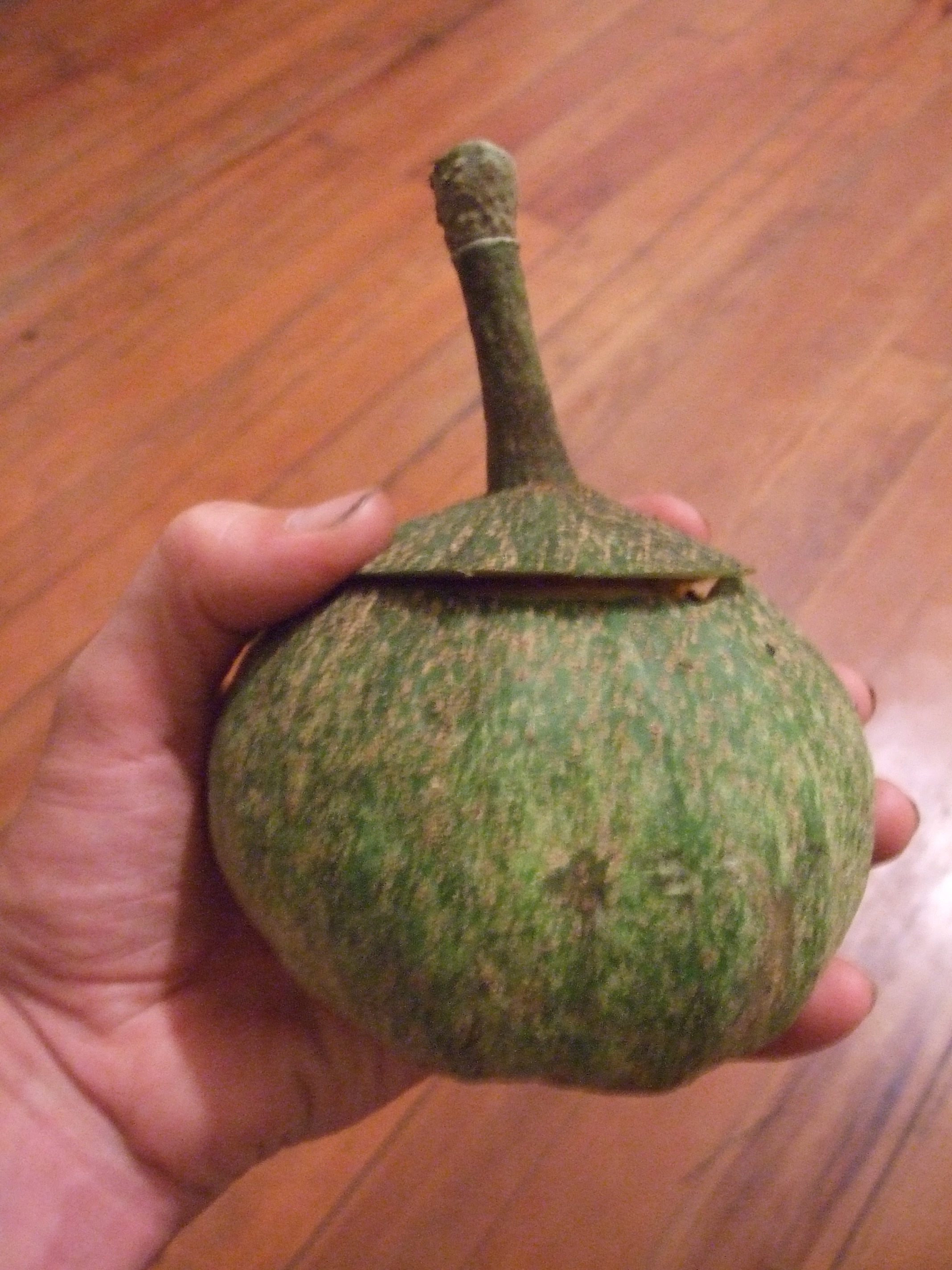
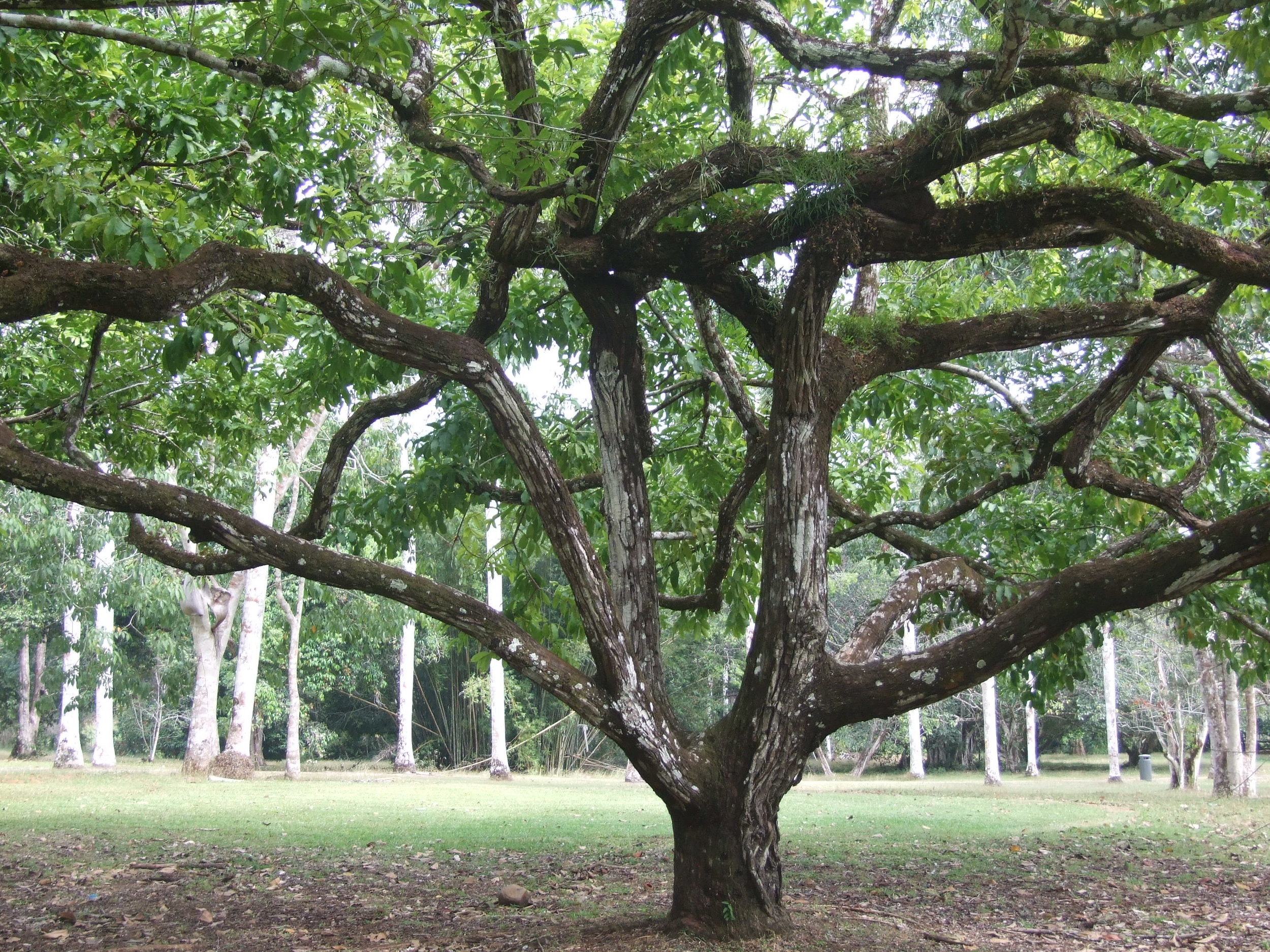
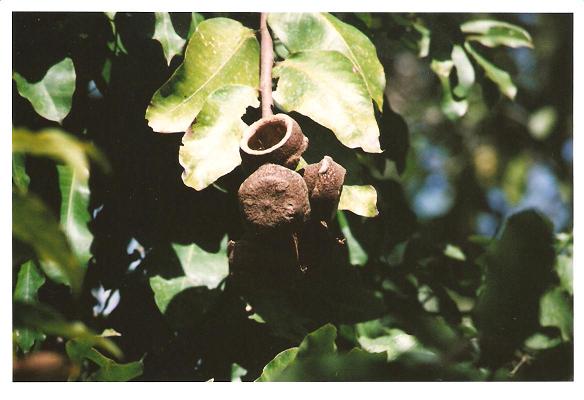
This is a fantastic tree. I found it in a stand of three in a somewhat neglected Summit botanic gardens outside of Panama City. I have collected seed from these trees for years. Today all of the other Lecythis spp. were flowering profusely, this one was full of ripe pods. I already have about ten very healthy trees going in my nursery. Inside the baseball size capsule (a miniature version of L. zabucajo), there are numerous nuts packed together. A cream colored aril is attached to the end of each nut, the aril tastes like anise but I'm not entirely sure if its edible. The nut itself is one of the best tasting tropical nuts I have eaten, identical in taste to its close relatives, perhaps superior to Brazil Nut, although maybe that's because I was eating them fresh.The nut can be eaten fresh or roasted. In Brazil, an oil is extracted from the nuts to make soap.

The Pili nut (Canarium ovatum) is another great tropical nut.

See related info in entry for Lecythis zabucajo, Sapucaia Nut

Eugenia uniflora - Suriname Cherry

Suriname Cherry originates in Brazil from Bahia to the south; along with jaboticaba, it is one of the most common fruits in the country.

In humid tropical climates the tree can surpass 7 m in height. In subtropical regions it typically doesn’t get much taller then 2-4 m.

The foliage is very decorative, bright green with various hues of red in new leaf growth.

The fruit has many uses, but is typically eaten raw. There exist red and purple varieties, which can be either sweet or acidic. It is considered to be one of the best Myrtaceae fruits. The tree bears abundantly, its fruits typically used in preserves, ice creams, syrups, wines and liquors.

The leaves of the tree emit a pleasant aroma when crushed, the smell is employed as a deterrent for flies and mosquitoes. To this end, it is Brazilian custom to scatter crushed leaves on the floors of ones home. The flowers attract honeybees, considered to be a desirable species for apiculture.

The fruit contains 6% sugar, 1% protein and is very acidic, and rich in vitamin C, 25 – 43 mg per 100 g.

Trees are adapted to the humid tropics and subtropics, from sea level up to 1,700 meters altitude, but they thrive in lower elevation, hot, humid tropical climates. In dryer regions the tree benefits from irrigation, which enables it to produce more abundantly. The tree can adapt to all kinds of soils, from sandy to clay.